

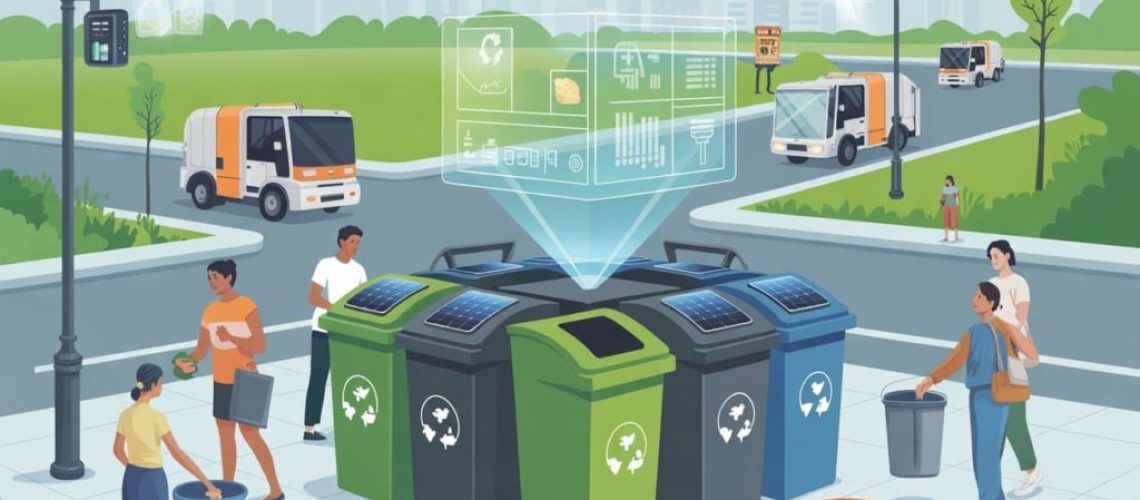
Waste collection may seem like a basic municipal service, but it has a major influence on how people experience their neighborhoods.
When rubbish is collected regularly and disposed of properly, streets become cleaner, drainage systems work better, businesses operate more comfortably, and residents enjoy a healthier environment.
Across many African cities, rapid population growth and urbanisation have increased the amount of waste produced every day. Where collection systems fail to keep pace, rubbish can accumulate on roadsides, in open spaces, markets and drainage channels.
Improving waste collection is therefore not simply about making neighborhoods look cleaner. It can contribute to healthier, safer and more attractive communities.
Cleaner Streets and Public Spaces
Regular waste collection immediately improves the appearance of a neighborhood.
When residents know that waste will be collected on a predictable schedule, they have less reason to leave rubbish in open spaces or allow waste to accumulate around their homes and businesses.
Cleaner streets can also encourage residents to take greater responsibility for their surroundings. A well-maintained environment often creates a stronger sense of community pride.
Better Public Health
Poor waste management can create conditions that attract rodents, insects and other disease-carrying pests. Decomposing waste can also produce unpleasant odours and contaminate nearby areas.
Reliable collection reduces the amount of rubbish left exposed in residential areas.
This is particularly important in densely populated communities, where large numbers of people may live and work close together.
Waste collection should therefore be viewed as part of a broader public-health strategy rather than simply a cleaning service.
Reducing Blocked Drainage
One of the most important connections between waste management and urban infrastructure is drainage.
Plastic bags, food containers and other discarded materials can enter drainage channels when waste is left on streets. During heavy rainfall, this rubbish can restrict the movement of water and contribute to flooding.
Better collection can reduce the amount of waste available to enter drains.
However, waste collection should work alongside proper drainage maintenance, public education and enforcement. Collecting household waste alone cannot solve every flooding problem.
Making Neighborhoods More Attractive
A clean neighborhood can influence how residents, visitors and businesses perceive an area.
People are generally more comfortable walking, shopping, dining and spending time in places that are clean and well maintained.
For local businesses, this can matter significantly. Restaurants, shops, salons and other businesses depend partly on the quality of the environment surrounding them.
Cleaner public spaces can contribute to a more welcoming commercial atmosphere.
Supporting Local Businesses
Waste management can also create economic opportunities. Communities need workers and businesses to collect, transport, sort, recycle and process waste. Better-organised systems can create jobs while improving the local environment.
Small businesses can also participate in waste recovery by collecting recyclable materials such as plastics, paper, metals and glass.
With appropriate infrastructure and market access, some waste materials can become valuable resources rather than being treated entirely as rubbish.
Encouraging Recycling
An effective waste collection system can make recycling easier. Instead of placing every type of waste into one container, households and businesses can separate materials at the point where waste is generated.
Separate collection for recyclable materials can then make it easier for recycling businesses and waste processors to recover useful materials.
For communities beginning their recycling journey, simple steps can make a difference. Residents could start by separating plastic bottles, cardboard, cans and other recyclable materials from general household waste.
Improving Quality of Life
The benefits of better waste collection go beyond sanitation.
When streets are clean, residents may feel more comfortable using public spaces. Children have safer areas to play, pedestrians can move through streets more easily, and communities can become more pleasant places to live.
Clean surroundings can also reduce the daily frustration associated with overflowing bins, unpleasant smells and piles of rubbish.
Small improvements in the physical environment can therefore have a noticeable effect on everyday life.
Building a Culture of Responsibility
Government agencies and waste management companies have important responsibilities, but residents also have a role to play.
Effective waste management requires cooperation between households, businesses, community leaders and service providers.
Residents can help by:
- Using designated waste collection points.
- Following collection schedules.
- Avoiding illegal dumping.
- Separating recyclable materials where facilities exist.
- Keeping waste away from drainage channels.
- Reporting persistent collection problems.
- Encouraging neighbors to maintain shared spaces.
When these habits become normal, waste management becomes a shared community responsibility.
Using Technology to Improve Collection
Technology can make waste collection more efficient. Waste management providers can use digital systems to track collection vehicles, monitor service areas and identify locations where waste accumulates frequently.
Residents can also benefit from digital platforms that allow them to report missed collections or request pickups.
In larger cities, data can help waste managers identify patterns and allocate vehicles and workers more efficiently.
Even simple communication tools, such as neighbourhood messaging groups, can improve coordination between residents and waste collectors.
Making Collection More Reliable
One of the biggest improvements communities can make is establishing predictable collection schedules.
Residents are more likely to manage their waste responsibly when they know exactly when collection will occur.
Service providers can improve reliability by publishing clear schedules, maintaining collection vehicles and ensuring that workers have the equipment they need.
Local authorities can also monitor service performance and respond to complaints when collection standards are not being met.
The Role of Community Leaders
Community associations, landlords, resident groups and local leaders can help improve waste management at the neighborhood level.
They can organise clean-up activities, educate residents about proper disposal and communicate recurring problems to local authorities or waste management companies.
Community leaders can also encourage businesses and households to avoid dumping waste in shared spaces.
These efforts are particularly useful where formal waste services are limited or inconsistent.
Better Waste Collection Creates Better Neighborhoods
Waste collection may not receive as much attention as roads, housing or public transportation, but it is one of the everyday services that can strongly influence urban life.
A reliable system can produce cleaner streets, healthier surroundings, better drainage, stronger local businesses and more attractive public spaces.
For African cities experiencing rapid growth, improving waste collection should be part of broader efforts to create healthier and more liveable communities.
The goal is not simply to remove rubbish after it has been produced. It is to build a system where households, businesses, communities and authorities work together to reduce waste, collect it efficiently and recover useful materials.
Better waste collection does more than remove rubbish, it helps create neighborhoods where people can live, work and thrive with greater comfort and dignity.
