

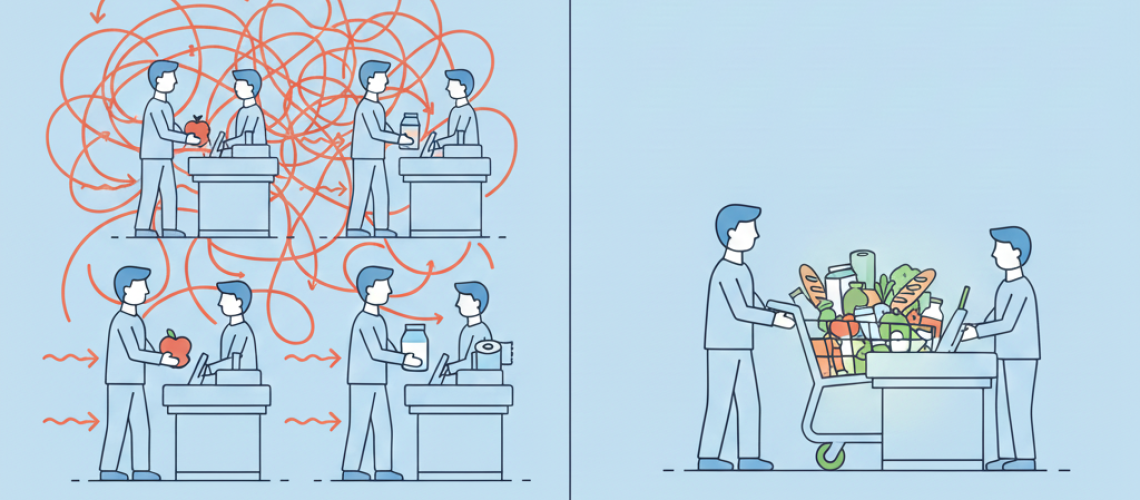
Family life often comes with a long list of requests.
One person needs groceries, another needs medication, someone wants a package delivered, and another family member suddenly remembers an item they need from the market.
Handling each request as a separate trip can quickly consume your time, energy, and transport budget. The better approach is to organize related tasks and complete as many of them as possible in one well-planned trip.
This approach, sometimes called errand batching, can make family responsibilities much easier to manage.
Start by Collecting All the Requests
Before leaving home, ask family members what they need.
Instead of responding to requests individually throughout the day, create one list. Encourage everyone to send their requests before a specific departure time.
For example, a family shopping list might include:
- Groceries from the supermarket
- Vegetables from the local market
- A prescription from the pharmacy
- A package to be dropped off
- A household item from a nearby shop
- A bill that needs to be paid
Having everything on one list gives you a clearer picture of what needs to be done.
Separate Urgent Requests From Flexible Ones
Not every family request needs immediate attention.
Some tasks may have deadlines, while others can wait until the next trip.
Mark each request as urgent, important, or flexible. This prevents one unnecessary task from disrupting the entire plan.
For instance, picking up medication may be more urgent than buying a household decoration. Similarly, collecting a package before a shop closes may take priority over browsing for non-essential items.
Group Requests by Location
Once you have the complete list, look at where each item can be found.
This is one of the easiest ways to reduce unnecessary movement.
If the pharmacy, supermarket, bank, and parcel collection point are located along the same route, try to handle them during one outing.
You can divide the trip into areas such as:
Stop 1: Local market
Stop 2: Supermarket
Stop 3: Pharmacy
Stop 4: Package collection
Stop 5: Final delivery
The exact order will depend on opening hours, traffic, distance, and the urgency of each task.
Plan the Route Before Leaving
A few minutes of planning can save a significant amount of time.
Check the locations of your stops and consider the most efficient route. Avoid travelling back and forth between the same areas.
For example, if you need to visit three places in the same neighbourhood, complete them together rather than returning to that neighbourhood later.
Route planning can be especially useful in busy African cities where traffic congestion can turn a short journey into a long one.
Keep a Shared Shopping List
A shared digital list can make family errands easier.
Family members can add requests before you leave, while you can mark items as completed during the trip.
For households that prefer a simple approach, a notebook or messaging group can work just as well.
The important thing is to have one central list instead of relying on several separate messages and phone calls.
Confirm Important Details Before You Go
A vague request can create unnecessary delays.
If someone asks you to buy a particular product, confirm the important details first.
For example:
- What exact brand is needed?
- What size should you buy?
- What quantity is required?
- Is there a preferred alternative?
- What is the maximum amount you should spend?
This is particularly important when purchasing clothing, electronics, medication, food products, or household equipment.
A quick confirmation can prevent you from making a second trip because the wrong item was purchased.
Set a Budget for the Trip
Multiple family requests can quickly become expensive. Before leaving, estimate how much money you need for the different purchases. If several people are contributing money, keep their amounts separate where necessary.
You can also set spending limits for flexible purchases.
This prevents situations where you spend most of the available money on one person’s request and have to postpone another person’s task.
Use a Simple Priority System
When there are many requests, use a priority system.
One practical method is:
Priority 1 – Must do today:
Urgent medication, time-sensitive deliveries, appointments, or essential groceries.
Priority 2 – Should do today:
Regular household shopping and important purchases.
Priority 3 – Can wait:
Non-essential items and requests without deadlines.
If traffic, delays, or unexpected problems disrupt your schedule, you will know which tasks can be postponed.
Combine Deliveries Whenever Possible
If several family members live nearby, consider combining deliveries. For example, instead of making separate trips to different homes, you can arrange a convenient meeting point or deliver to several relatives along the same route.
However, make sure the arrangement is convenient for everyone. Saving transport costs should not create unnecessary waiting or inconvenience for other family members.
Keep Receipts and Track Purchases
When handling several people’s requests, it can become difficult to remember who asked for what.
Keep receipts and record purchases as you go.
You can use simple notes such as:
- Mum — groceries
- Brother — phone accessory
- Sister — toiletries
- Aunt — package delivery
This makes it easier to account for spending and reduces confusion when you return home.
Communicate When Something Goes Wrong
Sometimes an item will be unavailable, a shop will be closed, or the price will be higher than expected.
Do not make a major substitution without communicating with the person who made the request.
Send a quick message explaining the situation and ask whether they prefer an alternative.
This is especially important when the purchase is expensive or highly specific.
Leave Room for Unexpected Delays
A good errand plan should not be packed so tightly that one delay ruins the entire trip.
Traffic, long queues, payment problems, or unexpected stops can affect your schedule.
Give yourself some extra time between major tasks. This makes the trip less stressful and gives you flexibility when things do not go according to plan.
Review the List Before Returning Home
Before leaving your final stop, check your list again.
Make sure you have completed all the important tasks and collected everything you paid for.
This simple habit can prevent one of the most frustrating outcomes of errand running: getting home and realizing that you forgot something important.
Make Family Errands a Shared Responsibility
One person does not always have to handle every request.
If other family members are available, divide responsibilities according to location, availability, and ability.
Someone going to the market can handle food shopping. Another person travelling toward a commercial area can pick up a package.
Sharing responsibilities reduces the pressure on one person and can make the household more efficient.
Final Thoughts
Handling multiple family requests in one trip requires more than simply carrying a long shopping list. It requires planning, prioritization, communication, and efficient routing. Start by collecting every request, group tasks by location, prioritize urgent items, confirm important details, and plan your route before leaving.
The goal is not to complete every possible task in a single outing. The goal is to reduce unnecessary trips while completing the most important tasks efficiently.
With a simple system, family errands can become less stressful, less expensive, and much easier to manage.
