

Africa’s delivery networks play an important role in connecting businesses, markets, households, and communities.
From motorcycle couriers moving through busy streets in Lagos to trucks transporting goods between major cities, millions of deliveries depend on reliable transportation systems every day.
However, weather conditions can significantly affect how quickly and safely these deliveries reach their destinations. Heavy rainfall, flooding, extreme heat, strong winds, and seasonal weather changes can disrupt roads, vehicles, warehouses, and communication systems.
Understanding the relationship between weather and delivery operations can help logistics companies, businesses, and customers prepare for delays and reduce unnecessary losses.
Heavy Rainfall and Road Delays
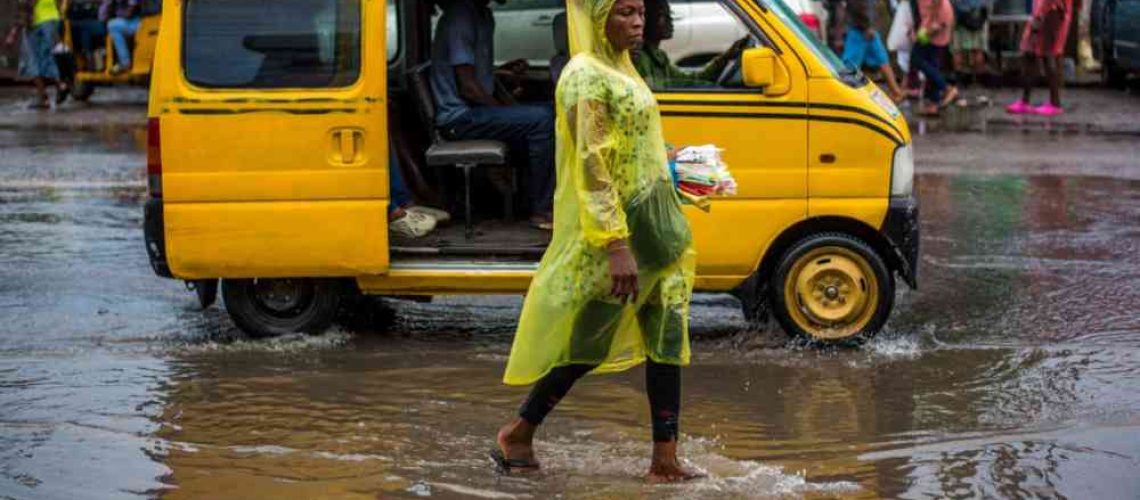
Heavy rainfall is one of the most common weather-related challenges facing delivery networks across Africa. During the rainy season, intense downpours can make roads difficult or unsafe to use.
Poorly drained urban areas may experience waterlogging within a short period. In cities such as Lagos, Accra, and parts of Nairobi, flooded roads can slow down motorcycles, cars, vans, and trucks.
Unpaved roads can become muddy and difficult to navigate. Even paved roads may become dangerous when visibility drops or water covers potholes.
For delivery companies, these conditions can result in:
- Longer delivery times
- Increased fuel consumption
- Vehicle damage
- Missed delivery schedules
- Higher operating costs
- Increased accident risks
Businesses can reduce these problems by monitoring weather forecasts and planning alternative routes before severe rainfall begins.
Flooding Can Disrupt Entire Delivery Routes
Flooding creates an even bigger challenge because it can completely block important transportation routes. A delivery vehicle may leave a warehouse on schedule but encounter a flooded road several kilometres away. In some cases, drivers must turn around, wait for water levels to fall, or take longer alternative routes.
The impact can extend beyond individual deliveries. When major roads connecting cities or commercial centres become inaccessible, entire supply chains may experience delays.
Food, medicines, building materials, retail products, and other essential goods can all be affected.
For this reason, logistics companies operating in flood-prone areas need contingency plans. Mapping alternative routes, maintaining communication with drivers, and identifying temporary storage locations can make delivery networks more resilient.
Extreme Heat and Vehicle Performance
Weather problems are not limited to rain. Extreme heat can also affect delivery operations. Many African cities experience very high temperatures during certain periods of the year. Prolonged heat can place additional pressure on vehicles, especially those operating for long hours.
Tyres can be affected by high road temperatures, while engines and cooling systems may require greater attention. Delivery workers can also experience fatigue and dehydration when working outdoors for extended periods.
Companies can respond by maintaining vehicles regularly, providing adequate breaks, and ensuring drivers have access to drinking water.
Proper vehicle maintenance becomes especially important when delivery fleets operate in hot climates every day.
Dust and Reduced Visibility
In parts of North, West, and East Africa, dusty conditions can affect transportation. Harmattan periods, for example, can reduce visibility on roads.
Poor visibility makes it harder for drivers and riders to see other vehicles, pedestrians, road signs, and obstacles. Long-distance transportation may therefore become slower and more hazardous.
Dust can also affect vehicle components when vehicles operate in dusty environments for long periods. Regular cleaning and maintenance can help reduce these effects.
Drivers should also receive guidance on adjusting their speed and maintaining safe distances when visibility is poor.
Strong Winds and Storms
Strong winds can create additional risks for delivery networks. Motorcycles and other lightweight vehicles can become more difficult to control during severe weather.
Storms may also damage infrastructure. Fallen trees, damaged electricity poles, debris, and other obstacles can block roads and delay deliveries.
Warehouses and outdoor storage areas can also be vulnerable to severe winds. Businesses handling fragile or weather-sensitive goods should therefore consider how exposed their storage facilities are during storm seasons.
Weather Can Affect Last-Mile Delivery
The last mile is often one of the most challenging stages of delivery because it involves moving goods from a distribution point directly to the customer.
In many African cities, last-mile deliveries depend heavily on motorcycles, bicycles, small vans, and other flexible forms of transportation.
Rain can make motorcycle deliveries particularly difficult. Flooded streets, slippery roads, and poor visibility can increase travel times and safety risks.
Customers may also be unavailable when drivers arrive because bad weather changes people’s daily routines.
Delivery companies can address these challenges by allowing customers to adjust delivery times and by giving drivers better tools for communicating delays.
Weather and Food Delivery
Weather conditions are particularly important when transporting food. Fresh produce, meat, dairy products, frozen foods, and prepared meals can be sensitive to temperature and delays. Extreme heat can increase the risk of spoilage if appropriate storage conditions are not maintained.
Rain and flooding can also delay food shipments between farms, markets, warehouses, restaurants, and households.
Businesses involved in food distribution should therefore combine reliable transportation with appropriate packaging, storage, and temperature-control practices.
Better coordination can help reduce food waste while protecting product quality.
Technology Can Improve Weather Preparedness
Technology is becoming increasingly important in helping delivery companies respond to changing weather conditions.
GPS tracking allows companies to monitor vehicles and identify delays. Digital mapping systems can help drivers identify alternative routes when roads become difficult to use.
Weather forecasting tools can also help logistics teams anticipate heavy rainfall, storms, or extreme temperatures.
Businesses can combine these technologies with real-time communication between drivers, warehouses, dispatch teams, and customers.
For example, if severe rainfall is expected in the afternoon, a company could move some deliveries to the morning. Such simple adjustments can prevent larger disruptions later in the day.
Planning for Seasonal Weather
African delivery networks must account for seasonal weather patterns rather than treating every disruption as an unexpected event.
Rainy seasons, dry seasons, Harmattan conditions, heat waves, and regional storms can all influence transportation differently.
Companies should examine historical delivery data alongside seasonal weather information. This can reveal which routes experience the most disruption and which periods require additional planning.
Businesses can then adjust staffing, vehicle maintenance, inventory levels, delivery schedules, and customer communication accordingly.
Building More Weather-Resilient Delivery Networks
Weather disruptions cannot always be avoided, but their impact can be reduced through better preparation.
A resilient delivery network should have:
- Alternative transportation routes
- Well-maintained vehicles
- Reliable weather monitoring
- Clear communication procedures
- Flexible delivery schedules
- Appropriate packaging
- Emergency response plans
- Safe working conditions for drivers and riders
Partnerships can also strengthen resilience. Logistics companies, local authorities, businesses, and communities can share information about road conditions and major weather disruptions.
Conclusion
Weather conditions have a direct impact on African delivery networks. Heavy rainfall can cause flooding and road delays, while extreme heat, dust, strong winds, and storms can create additional transportation challenges.
As e-commerce, food delivery, retail distribution, and regional trade continue to grow across Africa, reliable logistics will become increasingly important.
The goal should not simply be to deliver goods quickly. Delivery networks must also become flexible enough to operate safely and efficiently when weather conditions change.
By combining better planning, technology, vehicle maintenance, route management, and clear communication, African businesses can build delivery systems that are better prepared for the realities of their environment.
