

How Better Packaging Can Reduce Product Damage During Delivery
Product delivery is an important part of the customer experience. A business may have an excellent product, competitive pricing, and reliable customer service, but poor packaging can undermine all of these efforts. When products arrive damaged, broken, leaking, or poorly presented, customers may lose confidence in the business.
Better packaging provides more than an attractive appearance. It protects products from impacts, pressure, moisture, dust, temperature changes, and rough handling during transportation. For businesses involved in e-commerce, retail, food distribution, and logistics, investing in suitable packaging can reduce losses and improve customer satisfaction.
Why Product Damage Happens During Delivery
Products can experience several risks between the warehouse and the customer’s location. Packages may be stacked under heavier items, dropped during loading, exposed to rain, or moved across rough roads.
Long-distance transportation creates additional challenges. A package moving between cities or countries may pass through several warehouses and transport hubs. Each transfer increases the number of times the package is handled.
Poor packaging can make these risks worse. A box that is too large may allow the product to move around inside. A box that is too small may place excessive pressure on the contents. Weak materials may also collapse under weight.
Understanding these risks helps businesses select packaging that matches the product and delivery conditions.
Choose Packaging Based on the Product
There is no single packaging solution for every product. Packaging should reflect the product’s size, weight, shape, fragility, and sensitivity.
For example, glass products require strong outer boxes and protective cushioning. Electronics may need protection against impact and moisture. Clothing may require less rigid protection but should still be sealed against water and dirt.
Food products require special attention because packaging must protect freshness while preventing contamination or leakage.
Businesses should therefore consider the journey their products will take before selecting packaging materials.
Use Protective Cushioning
Cushioning is one of the simplest ways to reduce damage. Materials such as paper padding, molded inserts, foam, and other protective materials can create a buffer between the product and the outside package.
The goal is to prevent excessive movement inside the box. When a package is dropped or experiences sudden impact, cushioning absorbs part of the force before it reaches the product.
However, businesses should avoid using excessive packaging without purpose. The objective is to provide sufficient protection while controlling material costs, storage requirements, and environmental impact.
Select Strong and Appropriate Boxes
The outer box is the first major layer of protection. A weak box can tear, collapse, or lose its shape during transportation.
Businesses should select cartons that can handle the product’s weight and expected handling conditions. Heavier products may require stronger corrugated materials, while lightweight products may work well with smaller and lighter packaging.
The size also matters. A box should provide enough room for protective materials without leaving excessive empty space.
A properly sized box helps reduce movement and gives the product greater stability throughout the delivery process.
Protect Products From Moisture
Rain and humidity can create problems for products during transportation, particularly in areas with wet weather or high humidity.
Moisture-resistant packaging can help protect vulnerable products. Businesses may use sealed plastic bags, moisture-resistant liners, protective films, or coated packaging where appropriate.
For products transported through markets, warehouses, delivery vehicles, and outdoor loading areas, additional moisture protection can make a significant difference.
Seal Packages Properly
Even a strong box can fail if it is poorly sealed. Weak tape, incorrect sealing methods, or damaged closures can allow packages to open during transportation.
Businesses should use suitable packaging tape and apply it securely across the main openings of the box. For heavier packages, additional reinforcement may be necessary.
Sealing also helps prevent dust, moisture, and other external materials from entering the package.
Use Labels to Support Proper Handling
Clear handling labels can help communicate important information about a package.
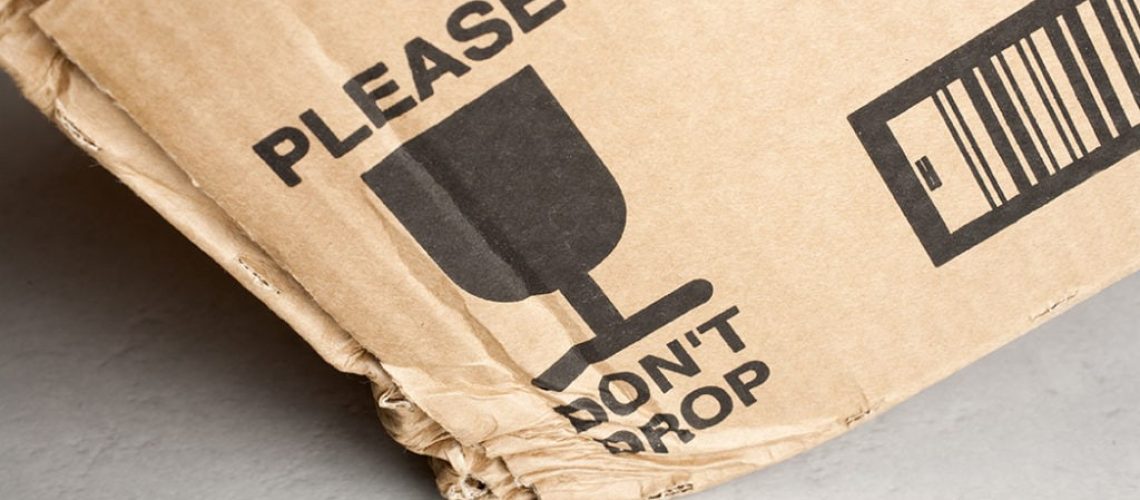
Labels such as “Fragile,” “This Side Up,” or “Handle With Care” can alert workers to products that require additional attention. While labels cannot guarantee careful handling, they provide useful information throughout the delivery process.
Businesses can also include shipping information, product identification, and handling instructions where necessary.
Packaging Can Reduce Business Costs
At first, better packaging may appear to increase expenses. However, businesses should consider the cost of damaged products as well.
Product damage can lead to refunds, replacements, customer complaints, additional delivery expenses, and lost sales. Repeated damage can also affect a company’s reputation.
Investing in appropriate packaging can reduce these costs by increasing the likelihood that products reach customers in good condition.
For businesses shipping large quantities, even a small reduction in the damage rate can produce meaningful savings over time.
Better Packaging Improves Customer Experience
Customers expect delivered products to arrive in the condition they purchased them. When a package arrives damaged, the customer may associate the problem with the business, even when the damage occurred during transportation.
Well-designed packaging creates a sense of reliability. It protects the product while also presenting the business professionally.
This is particularly important for online businesses because customers cannot inspect products before purchasing them. The delivery experience becomes an important part of how they judge the company.
Packaging Should Also Consider Sustainability
Better packaging does not necessarily mean using more materials. Businesses can focus on smarter packaging designs that provide adequate protection while reducing unnecessary waste.
Right-sized boxes, recyclable materials, reusable packaging, and efficient protective inserts can help businesses balance product protection with environmental considerations.
Reducing excessive packaging can also lower transportation costs because smaller and lighter packages may require less storage space and fuel.
Businesses Should Test Their Packaging
Before using a new packaging system at scale, businesses should test it under realistic conditions.
A package can be evaluated for its ability to withstand drops, pressure, vibration, stacking, and changes in handling conditions. Businesses can also monitor damaged deliveries and identify where packaging failures occur.
Customer feedback is another valuable source of information. If customers frequently report crushed boxes, broken items, leaks, or loose contents, the packaging system may need to be redesigned.
Conclusion
Better packaging plays an important role in reducing product damage during delivery. Strong outer packaging, protective cushioning, appropriate sizing, moisture protection, secure sealing, and clear handling instructions can help products withstand the challenges of transportation.
For businesses, the benefits extend beyond protecting individual products. Effective packaging can reduce replacement costs, improve customer satisfaction, strengthen brand reputation, and support more efficient logistics.
The best packaging solution is not necessarily the largest or most expensive one. It is the solution that provides the right level of protection for the product, the delivery route, and the conditions it is likely to encounter.
