

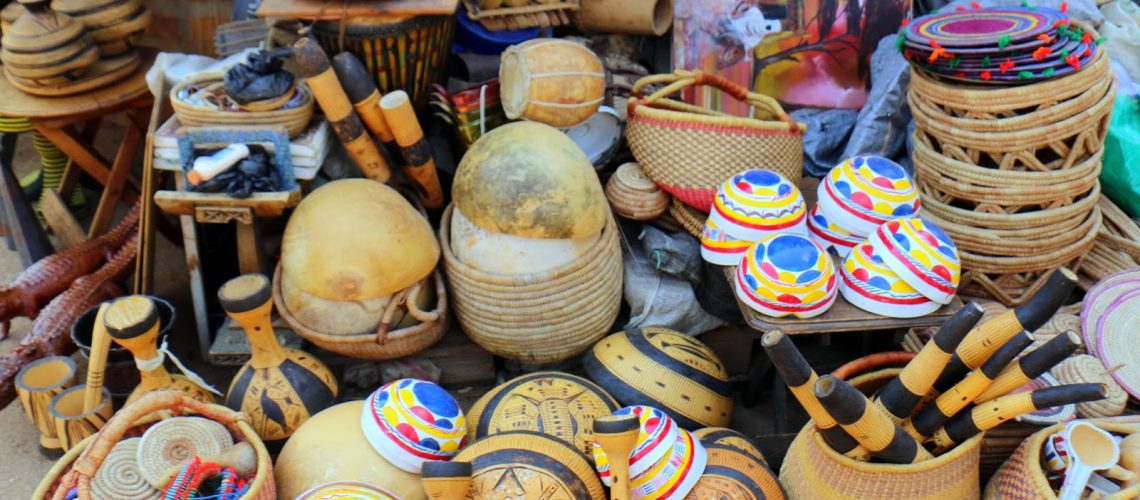
Africa is home to a remarkable variety of traditional crafts.
Across the continent, artisans continue to transform clay, wood, leather, metal, beads, fabric, and natural fibres into objects that reflect local history and identity.
Craft villages offer travellers more than an opportunity to purchase souvenirs. They provide a closer look at how traditional skills are passed from one generation to another. Visitors can often watch artisans work, learn about the meaning behind different designs, and discover how communities combine heritage with modern creativity.
From West Africa to East and Southern Africa, several destinations have become known for their vibrant craft communities.
1. Kumasi, Ghana
Kumasi is one of Ghana’s important cultural centres and a major destination for people interested in traditional Ashanti craftsmanship.
The city and surrounding areas are known for wood carving, kente weaving, pottery, beads, and other forms of traditional art. Visitors can find workshops where artisans demonstrate techniques that have developed over generations.
Kente weaving is particularly significant. The colourful woven cloth carries cultural meaning, with patterns and colours often associated with particular ideas or occasions.
For travellers, exploring craft centres around Kumasi can provide a deeper understanding of Ashanti culture while supporting local artisans.
2. Marrakech, Morocco
Marrakech is famous for its historic souks, where craftsmanship is closely connected to everyday commercial life.
The city’s artisans work with leather, metal, wood, ceramics, textiles, and other materials. Visitors can explore workshops and markets filled with handcrafted lamps, rugs, pottery, bags, furniture, and decorative pieces.
The medina creates an especially immersive experience. Instead of seeing crafts only in a shop window, travellers can observe artisans working within a long-established commercial environment.
Marrakech also demonstrates how traditional craftsmanship can adapt to international tourism while retaining distinctive Moroccan design elements.
3. Nairobi, Kenya
Nairobi has several spaces where visitors can experience Kenyan craftsmanship, including cultural centres and artisan markets.
One well-known destination is the Kazuri Beads area, where handmade ceramic beads and pottery are produced. Kenya is also recognised for wood carving, woven products, jewellery, textiles, and Maasai-inspired beadwork.
Craft experiences in Nairobi can therefore combine shopping with cultural learning. Visitors can discover the processes behind handmade products while interacting with artisans and businesses.
4. Cape Town, South Africa
Cape Town has a diverse creative scene that includes traditional African crafts alongside contemporary design.
Craft markets and cultural spaces around the city showcase handmade jewellery, textiles, ceramics, woodwork, beadwork, and other products.
The city’s craft culture also reflects South Africa’s diverse communities. Traditional techniques are often reinterpreted through modern fashion, interior design, art, and lifestyle products.
For visitors, this makes Cape Town an interesting destination for seeing how heritage craftsmanship can evolve without disappearing.
5. Dakar, Senegal
Dakar has a strong reputation for African art, fashion, textiles, jewellery, and handmade products.
Artisans and designers draw inspiration from Senegalese traditions while creating products for both local and international audiences. Visitors can encounter colourful fabrics, baskets, jewellery, paintings, sculptures, and decorative crafts.
The city’s creative environment also shows the connection between traditional craftsmanship and contemporary African fashion and design.
Dakar is particularly interesting for travellers who want to see how artisans can turn cultural heritage into modern creative businesses.
6. Ouidah, Benin
Ouidah is an important cultural destination in Benin, with strong connections to the country’s history and traditional practices.
Local artisans produce items such as carved objects, textiles, jewellery, baskets, and other handmade products. Craft activities can be experienced alongside visits to historical and cultural attractions.
The destination demonstrates an important feature of African craft tourism: crafts are often connected to stories, beliefs, ceremonies, and community identity.
This makes purchasing a handmade object more meaningful when visitors understand the cultural context behind it.
7. Zanzibar, Tanzania
Zanzibar’s cultural identity is reflected in its architecture, textiles, woodwork, jewellery, and other handmade products.
Stone Town is particularly interesting for visitors looking for locally produced crafts. Artisans work with wood, fabrics, leather, and other materials to create products influenced by African, Arab, Indian, and Swahili traditions.
Zanzibar’s craft culture also benefits from the island’s long history as a trading centre. Different cultural influences have contributed to the distinctive artistic character found across the island.
8. Addis Ababa, Ethiopia
Addis Ababa provides travellers with opportunities to explore Ethiopian art and traditional craftsmanship.
The city has craft markets and cultural spaces featuring woven textiles, traditional clothing, baskets, jewellery, crosses, paintings, pottery, and handmade household objects.
Ethiopian weaving is particularly notable, with traditional fabrics continuing to influence contemporary fashion and design.
A visit to the city’s craft communities can therefore reveal how ancient artistic traditions remain relevant in modern Ethiopian life.
Why Craft Villages Matter to African Tourism
Craft villages and artisan communities can play an important role in local tourism economies.
When visitors purchase directly from artisans, money can reach individuals and small businesses involved in production. Craft tourism can also create opportunities for younger generations to learn traditional skills and develop them into sustainable careers.
There is also an educational benefit. Visitors gain a better understanding of the communities they encounter when they learn how products are made and what they represent.
For destinations, craft tourism can complement attractions such as beaches, wildlife reserves, historical sites, and cultural festivals.
Preserving Tradition While Embracing Innovation
African craftsmanship is not frozen in the past. Many artisans are experimenting with new materials, designs, marketing methods, and international markets.
A traditional weaving technique might be used to create contemporary fashion. A centuries-old carving method might inspire modern home décor. Handmade beads can become part of internationally marketed jewellery.
This balance between preservation and innovation is important. Craft traditions remain relevant when artisans have opportunities to earn from their skills while maintaining the cultural knowledge behind them.
How Travellers Can Support Local Artisans
Travellers who want their spending to benefit craft communities can take a few practical steps.
They can purchase directly from artisans where possible, ask about the story and production process behind products, and avoid bargaining to prices that make handmade work unsustainable.
Visitors can also consider buying fewer, meaningful items instead of large quantities of mass-produced souvenirs.
Most importantly, travellers should respect cultural objects and understand that some designs or artefacts may have religious, ceremonial, or community significance.
Conclusion
Africa’s craft villages reveal a side of the continent that cannot always be experienced through conventional sightseeing.
From the kente traditions of Ghana to the leather and metalwork of Morocco, the beadwork of Kenya, the textiles of Ethiopia, and the diverse crafts of Senegal and Tanzania, artisans continue to keep important cultural knowledge alive.
For travellers, these destinations offer an opportunity to see creativity at work, meet the people behind handmade products, and take home objects with genuine cultural stories.
Craft tourism can therefore become more than shopping. It can be a meaningful connection between visitors, artisans, communities, and the rich cultural heritage of Africa.
