

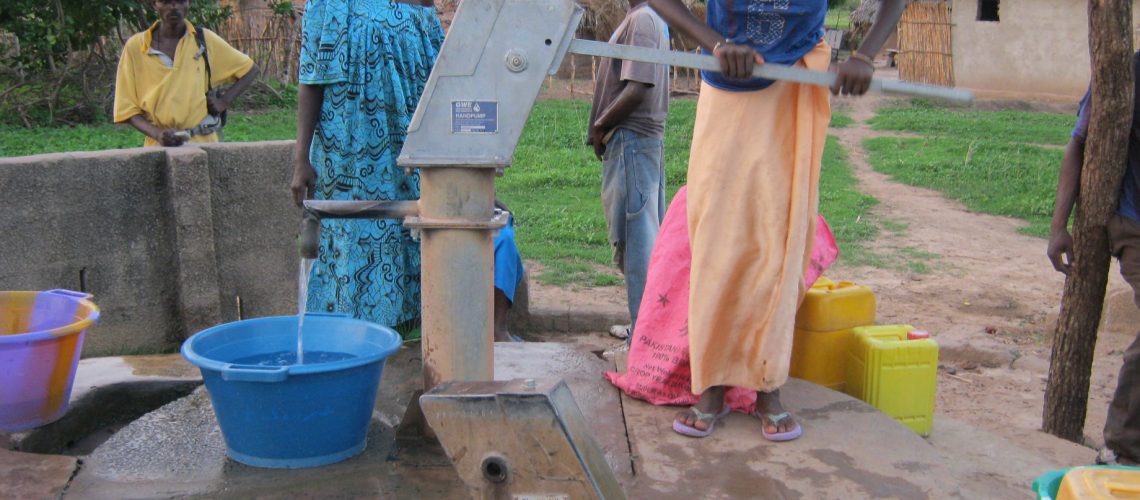
Access to clean and reliable water is one of the basic requirements of a healthy and functional community.
Yet, in many urban and rural areas, residents still struggle to find dependable sources of water for drinking, cooking, cleaning, and other daily activities.
Public water points can help address this challenge. When properly planned, maintained, and managed, they provide communities with convenient access to water while reducing the pressure on households that may not have reliable private water connections.
From busy neighbourhoods in Lagos to rural communities across Africa, reliable public water points can make everyday life easier and support healthier communities.
What Are Public Water Points?
Public water points are shared facilities where people can access water for household and community needs. They may include public taps, boreholes, community wells, water kiosks, standpipes, and other organized water distribution facilities.
Their importance becomes particularly clear in places where individual homes do not have dependable piped-water connections.
A well-positioned public water point can serve many households within a neighbourhood. However, its usefulness depends heavily on water quality, availability, accessibility, maintenance, and proper management.
They Improve Access to Essential Water
The most obvious benefit of public water points is improved access.
When residents have a reliable source nearby, they do not have to travel long distances or depend entirely on irregular private suppliers. This can be especially important for households with limited income or communities where water infrastructure remains underdeveloped.
A dependable water point can provide residents with greater certainty about where their next supply will come from.
They Support Better Hygiene
Water plays an important role in maintaining personal and household hygiene.
Regular handwashing, bathing, cleaning cooking utensils, washing clothes, and maintaining sanitary surroundings all require adequate water. When water is difficult to obtain, households may be forced to reduce how much they use for these activities.
Reliable access makes it easier for families and public spaces to maintain basic hygiene practices.
They Can Reduce the Time Spent Fetching Water
In communities where people have to travel significant distances to collect water, fetching water can consume a considerable portion of the day.
A public water point located within reasonable walking distance can reduce this burden.
This is particularly valuable for children and adults who may otherwise spend time carrying water instead of attending school, working, running businesses, or completing household responsibilities.
They Support Local Businesses
Reliable water access is also important for economic activity.
Food vendors, restaurants, barbers, salons, laundry businesses, cleaning services, workshops, and other small enterprises often depend on water. An unreliable supply can interrupt operations and increase business expenses.
Accessible public water points can provide an additional source of supply, particularly for small businesses operating in areas without dependable private connections.
They Can Strengthen Community Development
A reliable water point can become more than a place to collect water. It can form part of broader community infrastructure.
When residents, local organizations, businesses, and authorities work together to maintain a water facility, they can develop systems for reporting faults, collecting maintenance contributions, protecting the facility, and managing usage.
This type of cooperation can encourage communities to take greater responsibility for shared infrastructure.
Proper Maintenance Is Essential
Building a public water point is only the beginning. Without regular maintenance, pumps can stop working, taps can become damaged, drainage areas can deteriorate, and water quality can become a concern.
Communities and responsible authorities therefore need clear maintenance arrangements. Someone should know who is responsible for repairs, how faults will be reported, and how maintenance costs will be covered.
A water point that exists but frequently stops working cannot provide reliable service.
Water Quality Must Be Protected
Availability alone is not enough. Water must also be safe for its intended use.
Public water points should be protected from contamination, and water quality should be monitored according to relevant public-health requirements. The surrounding area should also have appropriate drainage and sanitation arrangements.
Poorly maintained facilities can create environmental and health risks. Therefore, investment in public water infrastructure should include water-quality management and regular inspection.
Location and Accessibility Matter
A water point should be located where the community can use it conveniently and safely.
Planners should consider population density, walking distances, accessibility for older people and people with disabilities, drainage, security, and the needs of nearby households.
Strategic placement can prevent overcrowding at certain facilities while ensuring that underserved areas are not left without access.
Reliable Water Points Benefit Growing Cities
As African cities continue to expand, pressure on infrastructure can increase.
Rapid population growth can place additional demands on existing water systems. Public water points can complement larger water infrastructure by providing accessible supply in areas where household connections are unavailable or unreliable.
They should not replace long-term investment in comprehensive water systems. Instead, they can serve as an important part of a wider approach to improving urban water access.
Communities Need Sustainable Management
For public water points to remain useful, communities need sustainable management models. Depending on the location, management may involve local authorities, community associations, water committees, nonprofit organizations, private operators, or partnerships between several groups.
Clear responsibilities can help prevent disputes and ensure that repairs are handled quickly.
Transparency is also important when users contribute money toward maintenance. People are more likely to support shared facilities when they understand how contributions are being used.
Technology Can Improve Water Management
Modern technology can also support public water infrastructure. Digital payment systems, water-level monitoring, remote pump monitoring, maintenance reporting platforms, and other tools can help operators understand usage and identify problems.
In areas with suitable infrastructure, these technologies can make water services more efficient and easier to monitor.
However, technology should complement, not replace, basic maintenance and responsible management.
Looking Beyond Access
Reliable public water points demonstrate an important principle of urban and community development: infrastructure should be designed around people’s everyday needs.
A functional water point can save time, support hygiene, assist small businesses, and reduce the difficulties associated with finding water.
However, its success depends on more than construction. Safe water, appropriate location, regular maintenance, responsible management, and community participation all matter.
Final Thoughts
Reliable public water points can have a meaningful impact on everyday life. They provide communities with accessible water while supporting hygiene, household activities, businesses, and local development.
For African communities facing challenges with water access, well-managed public water points can provide a practical part of the solution. The priority should be to ensure that these facilities remain safe, accessible, affordable, and functional over the long term.
Ultimately, water infrastructure is not simply about pipes, pumps, or taps. It is about creating communities where people can access an essential resource without unnecessary difficulty.
