

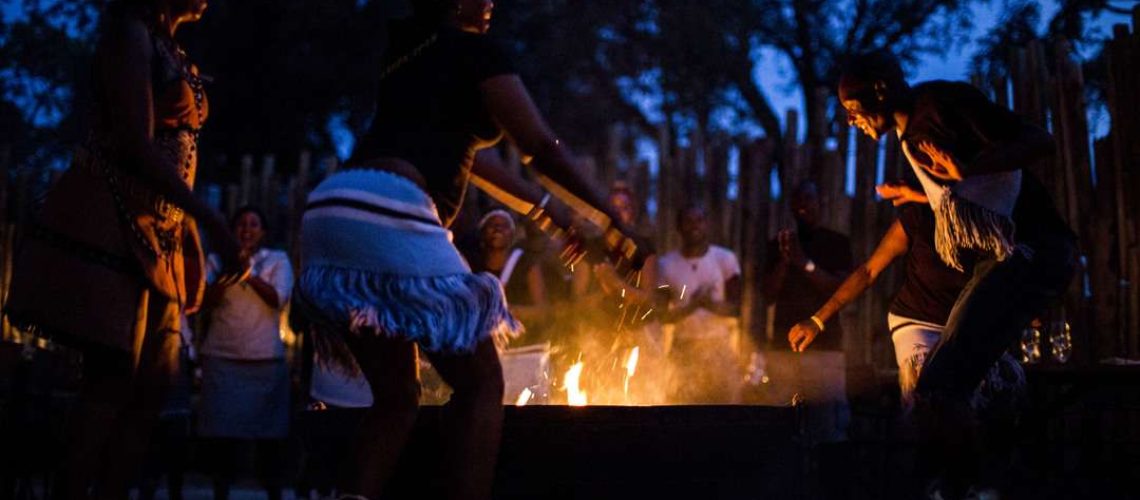
African Destinations for Travelers Interested in Traditional Music
Africa offers travelers more than beautiful landscapes, wildlife, and historic landmarks. Across the continent, music remains an important part of cultural identity and community life. Traditional songs, drums, dances, instruments, and storytelling continue to connect generations and preserve local history.
For travelers interested in experiencing traditional music, choosing the right destination can turn an ordinary holiday into a meaningful cultural experience. From West African drum traditions to East African vocal performances and Southern African musical heritage, different regions offer distinct sounds and traditions.
Here are several African destinations worth considering for travelers who want to explore traditional music.
1. Accra, Ghana
Accra provides an excellent introduction to Ghanaian music and cultural traditions. Ghana has a rich history of drumming, dance, and communal performance.
Travelers can encounter traditional instruments such as talking drums, bells, rattles, and xylophones. Cultural centres and community events may also provide opportunities to see performances that combine music with traditional dance.
Visitors interested in learning rather than simply watching can look for workshops where experienced musicians demonstrate traditional rhythms and instruments.
2. Dakar, Senegal
Dakar has a strong musical identity influenced by several ethnic traditions. Senegal is particularly associated with the sabar drum, which plays an important role in traditional Wolof music and dance.
Visitors can explore cultural performances and festivals where percussion, dancing, and singing come together. The city’s wider music scene also provides opportunities to understand how traditional sounds have influenced modern Senegalese music.
For travelers interested in rhythm and percussion, Dakar offers an opportunity to explore how music functions as both entertainment and cultural expression.
3. Bamako, Mali
Bamako is closely connected with the musical traditions of West Africa. Mali has produced influential musicians while maintaining deep connections to traditional instruments and oral storytelling.
The kora, a West African string instrument, is particularly important to the region’s musical heritage. The ngoni and balafon are also associated with Malian musical traditions.
Visitors should consider cultural performances and guided experiences that explain the history behind these instruments rather than focusing only on concerts.
4. Marrakech, Morocco
Marrakesh offers travelers access to several Moroccan musical traditions. One distinctive example is Gnawa music, which combines rhythmic percussion, singing, and the guembri, a traditional three-stringed instrument.
The city’s historic spaces and cultural venues can provide opportunities to encounter live performances. Travelers can also explore cultural festivals that bring musicians from different parts of Morocco together.
A visit to Marrakech can therefore combine music with architecture, food, markets, and other aspects of Moroccan heritage.
5. Zanzibar, Tanzania
Zanzibar has a distinctive cultural identity shaped by African, Arab, Persian, and Indian Ocean influences. Its musical heritage reflects this history.
Taarab is one of Zanzibar’s best-known musical traditions. It combines elements associated with different cultural influences and has traditionally featured instruments such as the oud, violin, qanun, and percussion.
Visitors can look for cultural performances and festivals that showcase the island’s musical heritage while exploring historic Stone Town.
6. Addis Ababa, Ethiopia
Addis Ababa provides opportunities to discover Ethiopia’s diverse musical traditions.
Traditional Ethiopian music can vary considerably between communities and regions. Instruments such as the masenqo, krar, and kebero are important examples of Ethiopia’s musical heritage.
Travelers can combine musical experiences with visits to museums and cultural sites to gain a deeper understanding of the country’s history.
7. Kampala, Uganda
Kampala offers access to music traditions from different Ugandan communities. Drums, xylophones, string instruments, singing, and dance feature prominently in various cultural traditions.
Visitors can explore cultural centres and performances where musicians demonstrate traditional instruments and dances.
Because Uganda has numerous ethnic communities, travelers should explore more than one performance style rather than assuming that there is a single Ugandan musical tradition.
8. Johannesburg, South Africa
Johannesburg provides a gateway to South Africa’s diverse musical heritage.
Although the city is strongly associated with contemporary music, travelers can also find opportunities to learn about traditional musical forms connected to different South African communities.
Traditional instruments, choral traditions, rhythmic performances, and cultural storytelling can all provide insight into the country’s history and identity.
9. Cape Town, South Africa
Cape Town offers another way to explore South Africa’s cultural and musical diversity.
Visitors can encounter musical traditions connected to Cape communities while also exploring museums, historic neighbourhoods, cultural centres, and festivals.
Combining musical experiences with historical tours can help travelers understand how migration, colonialism, community life, and cultural exchange influenced local music.
10. Luanda, Angola
Luanda is another destination where travelers can explore the relationship between traditional African music and modern musical forms.
Angola has diverse musical traditions influenced by different communities and historical experiences. Traditional rhythms and instruments have also influenced popular genres.
Travelers interested in music should consider cultural events and performances that provide context about the origins of the sounds they hear.
How to Experience Traditional African Music Respectfully
Listening to traditional music can become more meaningful when travelers approach it as a cultural experience rather than simply a tourist attraction.
Before attending a performance, learn a little about the community and musical tradition. Ask permission before photographing performers, especially during ceremonies or private community events.
Where possible, support local musicians, cultural organisations, guides, and community-owned tourism businesses. Purchasing locally produced instruments or recordings can also provide a way to support cultural practitioners.
Most importantly, remember that traditional music is often connected to ceremonies, spirituality, history, family, and community identity. Not every performance is designed for visitors.
Consider Traveling During Cultural Festivals
Festivals can be particularly valuable for travelers interested in traditional music. They often bring musicians, dancers, storytellers, artisans, and communities together in one place.
However, festival dates and programmes can change. Travelers should confirm schedules with official tourism organisations or event organisers before making travel arrangements.
Planning ahead also helps visitors understand whether an event is open to tourists or intended primarily for a local or religious community.
Explore the Story Behind the Music
Traditional music becomes more interesting when travelers understand its background.
Ask questions such as:
- What does the music represent?
- Which community developed the tradition?
- When is it normally performed?
- What instruments are used?
- Are particular songs connected to ceremonies?
- How has the tradition changed over time?
- How are younger generations learning it?
These questions can turn a performance into a deeper cultural learning experience.
Conclusion
Africa’s traditional music heritage is remarkably diverse. From the percussion traditions of West Africa to Zanzibar’s Taarab and Ethiopia’s distinctive instruments, each destination offers travelers a different opportunity to explore music, history, and community life.
Travelers should look beyond performances created solely for tourists. Cultural centres, local festivals, museums, community workshops, and knowledgeable guides can provide greater context.
By approaching these experiences with curiosity and respect, visitors can enjoy Africa’s musical traditions while gaining a deeper appreciation of the people and histories behind the sounds.
