

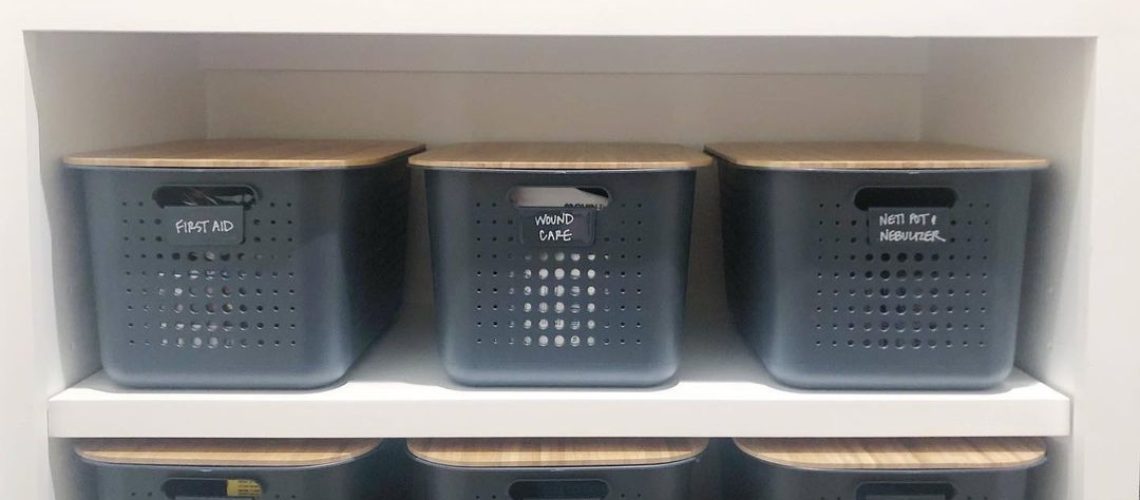
Keeping frequently used household items organized can make everyday life easier, reduce clutter, and save valuable time.
A good organization system does not require an expensive renovation or a large home. With thoughtful placement, simple storage solutions, and regular maintenance, even a small living space can remain functional and tidy.
1. Start by Identifying Frequently Used Items
The first step is to determine which household items you use most often. Walk through your home and make a list of items that you reach for every day or several times a week.
These might include:
- Cooking utensils
- Plates, cups, and cutlery
- Cleaning products
- Toiletries
- Towels
- Chargers and electronic accessories
- Keys and wallets
- School or work supplies
- Medicines and first-aid items
- Laundry supplies
- Frequently used documents
Once you identify these items, you can organize them according to how often you use them.
2. Keep Everyday Items Within Easy Reach
Frequently used items should not be stored in difficult-to-access locations. Keep them at waist or eye level where possible.
For example, cooking utensils can stay in a container beside the cooking area. Frequently used toiletries can occupy the front section of a bathroom cabinet. Everyday shoes can remain near the entrance rather than at the back of a wardrobe.
The goal is to reduce unnecessary movement. If you use something every day, accessing it should require only a few seconds.
3. Organize Items According to Where They Are Used
One effective approach is to store things close to the place where you normally use them.
For example:
Kitchen:
Store cooking utensils, spices, food containers, and frequently used appliances near food preparation areas.
Bathroom:
Keep toiletries, towels, and cleaning products close to the bathroom.
Bedroom:
Organize clothing accessories, chargers, books, and personal items around the bedroom.
Entrance:
Create a small area for keys, bags, umbrellas, and shoes.
This approach creates what can be called a point-of-use storage system. Instead of asking, “Where do I have space?” ask, “Where will I need this item?”
4. Use Containers to Group Similar Items
Small containers can prevent frequently used items from spreading across different surfaces.
For instance, you can use separate containers for:
- Chargers and cables
- Hair accessories
- Cleaning tools
- Office supplies
- Remote controls
- Small kitchen tools
- Personal care products
Labeling containers can make the system even easier to maintain, especially when several people share the same home.
5. Create a Dedicated Everyday Zone
A small “everyday zone” can help control clutter. Choose one convenient area where frequently used items can be placed.
Near the entrance, for example, you could have:
- A small tray for keys
- A hook for bags
- A shoe rack
- A basket for reusable shopping bags
- A charging station for phones
This prevents these items from appearing randomly on dining tables, chairs, beds, or kitchen counters.
6. Avoid Overloading Storage Spaces
A storage system becomes difficult to maintain when every drawer, shelf, or cupboard is packed.
Leave some empty space around frequently used items. This makes it easier to remove something without disturbing everything else.
For example, instead of filling a kitchen drawer completely with utensils, keep the most frequently used ones at the front and less-used tools elsewhere.
7. Make Items Easy to Return
Good organization is not only about finding things. It is also about making it easy to put them back.
A storage system should require minimal effort. If returning an item involves opening several boxes or moving other objects, people are more likely to leave it on a nearby surface.
Simple systems usually work better:
Take → Use → Return.
The easier this process becomes, the easier it is to maintain an organized home.
8. Use Vertical Space
When floor and cupboard space are limited, look upward.
Wall hooks, hanging organizers, shelves, pegboards, and over-the-door storage can create additional storage without taking up much floor space.
For example, wall-mounted hooks can hold:
- Towels
- Bags
- Kitchen utensils
- Cleaning tools
- Hats
- Umbrellas
Vertical storage is particularly useful in smaller apartments and shared living spaces.
9. Keep Frequently Used Cleaning Supplies Accessible
Cleaning products can become difficult to manage when they are scattered around the home.
Consider creating a small cleaning station with commonly used items such as:
- Microfiber cloths
- Disinfectant
- Sponges
- Brushes
- Gloves
- Dusting tools
However, keep cleaning chemicals safely away from children and food. Never transfer chemicals into food or drink containers, and follow the product’s storage instructions.
10. Review the System Regularly
Household organization is not a one-time activity. Your storage needs change as you buy new products, move furniture, or change your routines.
Once every few weeks, take a few minutes to ask:
- Which items are difficult to find?
- Which storage areas are becoming crowded?
- Are frequently used items still easy to access?
- Are there items that no longer belong in a particular area?
- Can anything be removed or relocated?
Small adjustments can prevent clutter from becoming overwhelming.
Benefits of Organizing Frequently Used Household Items
A practical organization system can provide several benefits. It can:
- Reduce time spent searching for things
- Make cleaning easier
- Reduce unnecessary purchases
- Improve the use of available space
- Make shared living easier
- Reduce visual clutter
- Encourage better household routines
- Make everyday tasks more efficient
The most effective household organization system is not necessarily the most attractive or expensive one. It is the system that matches the way people actually live.
Conclusion
Organizing frequently used household items starts with understanding your daily routines. Keep everyday belongings close to where they are used, group similar items together, use simple containers, take advantage of vertical space, and create dedicated areas for items that often cause clutter.
Most importantly, make the system easy to maintain. When every frequently used item has a logical home, keeping the house organized becomes less of a chore and more of a natural daily habit.
