

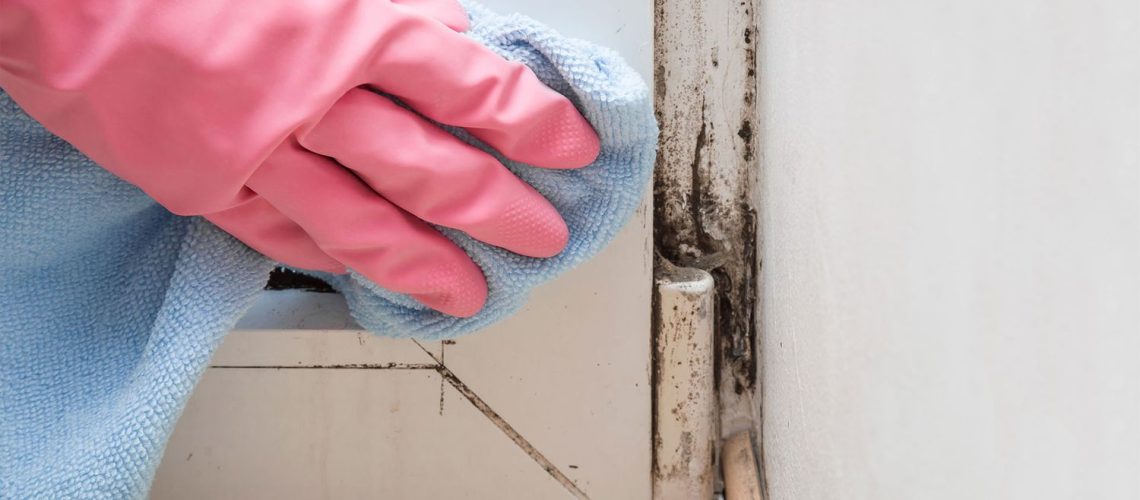
Rainy Season Is Ending: How to Clear Out Mould and Musty Smells Fast
As the rainy season begins to fade, many homes face a problem that may have been building quietly for months: mould and musty smells.
Constant rain brings moisture into the air. Damp walls, wet clothes, poorly ventilated rooms and leaking roofs can create the perfect environment for mould to grow. Closets may smell stale. Mattresses may feel damp. Shoes can develop an unpleasant odour. Even rooms that look clean may carry a musty smell.
The end of the rainy season is therefore a good time to inspect your home and deal with moisture problems before they become bigger.
Fortunately, you do not always need expensive products or major renovations. A thorough cleaning, better ventilation and a few simple habits can make your home fresher and healthier.
Here is how to clear out mould and musty smells quickly.
1. Find the Source of the Moisture
Before cleaning mould, identify why it appeared in the first place.
Mould grows where moisture remains for long periods. Check walls, ceilings, windows, bathrooms, wardrobes and areas behind large furniture. Look for water stains, peeling paint, damp patches and condensation.
Also inspect your roof and plumbing. A small leak can keep a wall damp even when there is no obvious puddle.
If the source of moisture remains, mould can return soon after cleaning.
Fix leaking pipes and roofs where possible. Improve airflow in damp rooms. Move furniture slightly away from walls so air can circulate.
The goal is simple: remove the moisture that mould needs to survive.
2. Open the Windows and Increase Airflow
Fresh air is one of the easiest ways to reduce musty smells.
Open windows and doors when the weather is dry. Allow air to move through bedrooms, living rooms, kitchens and storage spaces.
If you have fans, use them to improve circulation. A fan can help dry damp areas faster, especially after cleaning.
Do not simply mask a musty smell with air freshener. A pleasant fragrance may cover the odour temporarily, but it does not remove the moisture or mould causing it.
Ventilation should be part of the solution.
3. Remove Damp Items From the Room
Mould and musty smells can come from more than walls.
Check clothes, curtains, carpets, rugs, shoes, bags, books and bedding. Items that stayed damp during the rainy season may have absorbed moisture and developed an odour.
Take washable fabrics outside and allow them to dry completely.
Wash clothes before putting them back into wardrobes. Clean curtains and rugs where necessary. Sun-dry mattresses and cushions when the weather permits.
For shoes, remove the insoles and allow both the shoes and insoles to dry separately.
Do not return damp items to cupboards. You could simply recreate the same problem.
4. Clean Small Mould Patches Early
Small mould patches should be dealt with as soon as you notice them.
Wear gloves while cleaning mould. If you are sensitive to mould or dust, consider using appropriate respiratory protection and avoid disturbing large mouldy areas unnecessarily.
For small areas on suitable hard surfaces, clean with an appropriate household mould-cleaning product according to its label. After cleaning, dry the surface completely.
Never mix household cleaning chemicals. In particular, do not combine bleach with ammonia, acids or other cleaners because dangerous gases can form.
If mould covers a large area, keeps returning, or has affected porous materials such as ceiling boards, mattresses or heavily damaged furniture, professional cleaning or replacement may be safer.
5. Pay Special Attention to Wardrobes
Wardrobes often become musty during the rainy season because they receive little airflow.
Remove everything from the wardrobe. Separate clothes that need washing from those that are clean.
Clean the shelves and corners. Wipe suitable surfaces and allow the wardrobe to dry completely before returning your clothes.
Avoid packing clothes tightly together. Leave enough space for air to move.
You can also use moisture-absorbing products designed for wardrobes and enclosed spaces. Replace them according to the manufacturer’s instructions.
Most importantly, make sure clothes are completely dry before storing them.
6. Wash and Dry Bedding Thoroughly
Your bed deserves special attention because mattresses, pillows and blankets can hold moisture for a long time.
Wash sheets, pillowcases and blankets regularly. Dry them completely before making the bed.
When the weather is dry and sunny, place suitable bedding in a well-ventilated area to air out.
Do not leave a mattress damp after cleaning it. A mattress that remains wet can develop mould beneath the surface.
If a mattress has extensive mould growth, cleaning it yourself may not be enough. Consider getting professional advice about whether it can be safely restored.
7. Clean Bathrooms and Other Damp Areas
Bathrooms naturally produce moisture, so they need extra attention.
Clean mould-prone areas around tiles, ceilings, shower corners and window frames. Keep the bathroom ventilated during and after bathing.
Dry wet floors instead of allowing water to remain for hours.
The same applies to kitchens. Wipe condensation and water around sinks. Check underneath cabinets for leaks.
Small daily actions can prevent moisture from becoming a long-term problem.
8. Get Rid of Musty Smells From Fabrics
Sometimes the mould has been removed, but the smell remains because fabrics have absorbed the odour.
Wash washable fabrics using the appropriate detergent and follow their care instructions. Dry them completely.
For carpets and upholstery, vacuum thoroughly and use a suitable cleaning method for the material.
Baking soda is sometimes used to absorb odours from certain fabrics and surfaces, but always test it on a small hidden area first.
Avoid soaking materials unnecessarily. Adding more moisture to an already damp item can make the problem worse.
9. Clean Behind Furniture
Large furniture can hide mould for weeks.
Move wardrobes, beds, sofas and cabinets away from walls where practical. Inspect the wall behind them.
If the area feels damp or smells strongly, clean and dry it before returning the furniture.
Leaving a small gap between furniture and walls can improve ventilation. This is especially useful in rooms where walls tend to remain damp.
10. Declutter Damp Storage Areas
The end of the rainy season is also a good time to clean storage spaces.
Remove old cardboard boxes, damaged papers and items you no longer use. Cardboard and paper can absorb moisture and develop musty smells.
Sort your belongings into three groups: keep, clean and discard.
This creates more space and allows air to circulate.
A less crowded home is often easier to keep dry and clean.
11. Do Not Ignore Persistent Mould
Mould is not simply a cosmetic problem.
If mould continues to return after cleaning, the underlying moisture problem may still exist. There could be a leaking pipe, roof problem, poor drainage, condensation or inadequate ventilation.
Persistent mould may also require more extensive treatment.
Pay particular attention to rooms with strong, ongoing damp smells. If the problem is extensive, seek help from a qualified professional rather than repeatedly cleaning the surface.
12. Keep the Home Dry After the Rainy Season
Cleaning once is helpful. Preventing the problem from returning is even better.
During the drier months, continue airing rooms. Dry wet clothes properly before storing them. Keep bathrooms ventilated. Check plumbing regularly. Inspect roofs and ceilings for signs of water damage.
Avoid pushing furniture tightly against damp walls.
Also check areas that are easy to forget, such as under beds, inside cabinets, behind curtains and beneath sinks.
A quick inspection every few weeks can save you from another major cleaning exercise.
A Fresher Home Starts With Less Moisture
The end of the rainy season gives households a useful opportunity to reset. Start by finding moisture sources. Open windows when conditions allow. Wash and dry fabrics. Clean small mould patches safely. Empty and clean wardrobes. Inspect hidden spaces. Improve airflow and deal with leaks.
Most importantly, do not rely on perfume or air fresheners to hide musty smells. A fresh-smelling home should also be a dry and well-ventilated home.
With a little effort, the transition from rainy season to drier weather can become more than a change in climate. It can also be the perfect time to give your home a cleaner, fresher and more comfortable start.
