

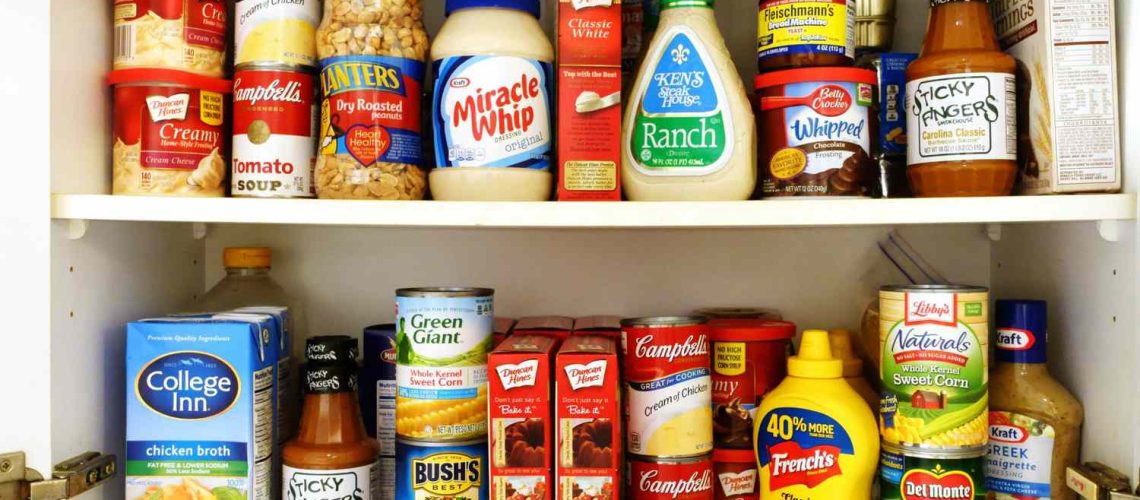
Ember Months Are Here: Stock Your Pantry Before Prices Climb
The ember months are here, and for many Nigerian households, this period comes with more than celebrations, travel and family gatherings. It can also bring higher demand for food, transportation, gifts and household essentials.
As the year moves towards its final months, many families begin buying more. Christmas preparations start early. Weddings and other celebrations increase. Children return to school or prepare for holidays. Relatives may travel home, while households prepare to host visitors.
All of this can put pressure on household budgets.
One practical way to reduce that pressure is to stock your pantry before prices climb. Buying essential food items early does not mean emptying your bank account or filling every corner of your kitchen. It means planning your purchases, watching prices and buying useful quantities while you still have room in your budget.
Why the Ember Months Can Affect Household Spending
The final months of the year are often associated with increased spending. Food is a major part of that spending.
Rice, beans, cooking oil, tomato products, spices, flour, beverages and other staples become especially important when families start preparing for larger meals. Demand can rise as households prepare for celebrations and visitors.
Transportation costs can also affect the final price of food. When movement becomes more expensive or difficult, sellers may adjust their prices.
This does not mean every food item will automatically become more expensive. Prices vary by location, season, supply and market conditions. However, planning ahead can help households avoid making most of their purchases during a period when demand is high.
Start With a Pantry Inventory
Before rushing to the market, check what you already have.
Many households buy duplicate items because they do not know what is sitting in their cupboards. You may discover that there is still enough rice, beans, seasoning or cooking oil to last several weeks.
Create a simple inventory.
Check your:
- Rice
- Beans
- Garri
- Yam
- Semovita or other swallow staples
- Pasta
- Spaghetti
- Flour
- Cooking oil
- Tomato paste
- Tinned foods
- Seasonings
- Salt
- Sugar
- Tea and beverages
- Cereals
- Snacks
- Cleaning supplies
Separate items into three groups: enough, running low and finished.
This small exercise can prevent unnecessary spending.
Focus on Foods Your Household Actually Eats
Stocking a pantry does not mean buying everything in sight.
A good pantry contains foods that your household regularly consumes. If nobody in your home eats a particular food, buying it simply because it is on sale may not save money.
Look at the meals your household prepares most often.
If rice appears on the menu several times a week, buying a reasonable quantity may make sense. If your family eats beans regularly, consider purchasing enough to cover several weeks or months, depending on your storage conditions.
The goal is simple: buy useful food, not impressive quantities.
Buy Stable Foods First
Some foods are easier to store than others.
Dry foods are usually more suitable for advance purchasing because they can remain useful for longer when stored properly.
Consider stocking items such as rice, beans, garri, pasta, flour, cereals, spices and other dry staples.
However, always check the expiry dates and storage instructions. A large quantity is not a bargain if poor storage causes it to spoil.
For foods that require refrigeration, freezing or special handling, buy according to your available storage space.
Do Not Forget Cooking Essentials
A household can have plenty of rice and beans and still struggle when basic cooking ingredients run out.
Cooking oil, salt, seasoning, tomato products, spices and other everyday ingredients deserve a place on your shopping list.
These products are easy to overlook because they are often purchased in small quantities.
Yet buying them repeatedly can add up.
Check how quickly your household uses each item. If you normally finish a bottle of cooking oil every month, for example, you can plan future purchases around that pattern.
Compare Prices Before Buying in Bulk
Buying in bulk can reduce the number of trips to the market, but bulk buying does not automatically guarantee savings.
Check prices from different sellers before committing your money.
A large supermarket pack may appear convenient, while a wholesale market may offer a better unit price. On the other hand, transportation costs may reduce the savings.
Calculate the actual cost.
Ask yourself:
How much does each kilogram, litre, bottle or pack cost?
This makes it easier to compare different sizes and sellers.
You should also consider quality. A cheaper product that your household dislikes may become wasted money.
Consider Group Buying
Families, neighbours, religious groups, friends and community associations can explore shared purchasing for selected staples.
For example, several households could contribute money towards a larger quantity of rice, beans or other suitable dry foods and divide the purchase among themselves.
This approach can make wholesale prices more accessible to households that cannot afford to purchase very large quantities alone.
However, group buying requires clear communication. Everyone should agree on the product, quantity, price, payment deadline and distribution method before the purchase is made.
Trust matters just as much as the discount.
Store Food Properly
Stocking your pantry is only useful if the food remains safe and edible.
Keep dry foods in clean, dry and well-ventilated areas. Use airtight containers where appropriate. Protect food from moisture, insects and rodents.
Avoid placing food directly on the floor.
Label containers when necessary, especially when buying large quantities. Include the purchase date or expiry information so older products can be used first.
This is where the first-in, first-out approach becomes useful. Use older stock before opening newer packages.
Proper storage can prevent the money you saved at the market from disappearing through food waste.
Do Not Spend Your Emergency Money on Food Stock
Planning ahead is important, but it should not leave you financially stranded.
Avoid using money meant for rent, medical needs, school expenses, debt payments or emergencies simply to buy extra food.
Create a pantry budget.
For example, you might decide that a certain amount of your monthly income will go toward stocking long-lasting household essentials. Once that amount is reached, stop buying unless there is a genuine need.
A well-stocked pantry should provide security, not financial stress.
Watch for Seasonal Sales and Promotions
The months before major celebrations may bring different promotions from supermarkets, wholesalers and online stores.
Pay attention to genuine discounts.
However, do not allow a promotion to convince you to buy something you do not need.
A simple rule can help: if you would not normally buy it without the discount, think twice before buying it because of the discount.
Also check package sizes. Some promotions look attractive because the price is lower, but the quantity may also be smaller.
Make a Two-Month Food Plan
One of the easiest ways to prepare for the ember months is to plan your household meals.
Write down the meals you expect to prepare regularly over the next several weeks. Then identify the ingredients needed for those meals.
This gives you a realistic shopping list.
You can divide purchases into stages.
First: buy durable staples.
Second: replenish items that are being used quickly.
Third: purchase fresh foods closer to when you need them.
This approach prevents the common mistake of buying everything at once.
Stocking Up Is About Preparation, Not Panic
The ember months should not become a season of panic buying.
The objective is to make your household more prepared.
A little planning can reduce unnecessary market trips, help you manage your budget and make it easier to feed your family during a busy period.
Start with what you already have. Identify what you actually need. Compare prices. Buy sensible quantities. Store everything properly and keep some money aside for unexpected expenses.
Most importantly, remember that the best time to prepare your pantry is before you urgently need what is inside it.
As the year enters its busiest stretch, a carefully planned pantry can give your household one less thing to worry about. You may not be able to control every price movement in the market, but you can control how prepared you are when those changes arrive.
