

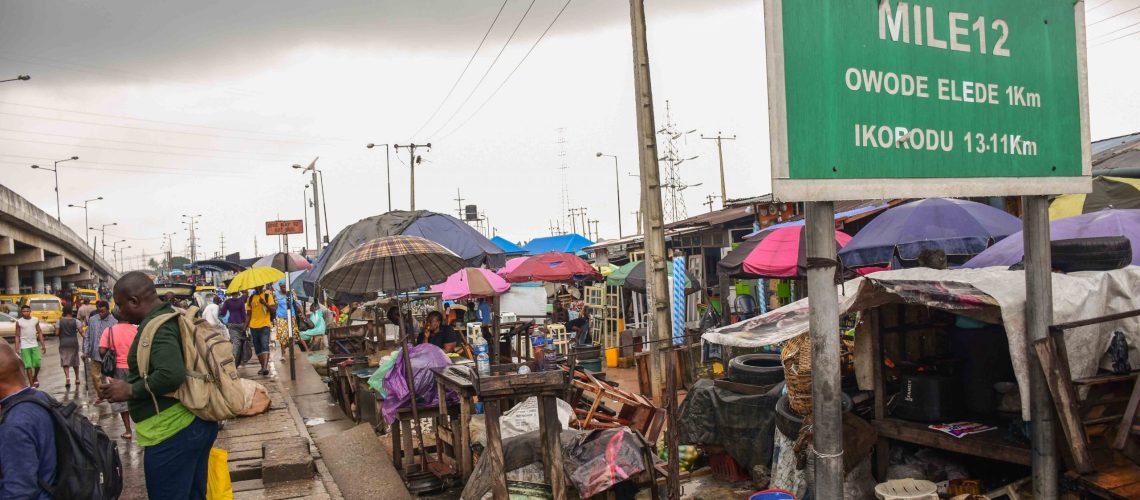
If you have ever visited Mile 12 Market in Lagos, you already know that shopping there is not like walking into a supermarket.
The market is busy, noisy, fast-moving and highly competitive. Prices can change quickly, sellers expect buyers to know what they want, and the difference between a good deal and an expensive purchase can come down to a few simple habits.
Yet there is a secret regular wholesalers understand: you do not need to be a wholesaler to shop like one.
Whether you are buying food for your family, stocking a restaurant, preparing for an event or purchasing groceries for a group, you can use wholesale-style strategies to stretch your money further.
Here is how to shop smarter at Mile 12.
1. Know Your Prices Before You Arrive
One of the biggest mistakes shoppers make is entering Mile 12 without knowing the general price of what they want to buy.
Market prices can vary depending on the season, supply, quality and quantity. A seller may quote a price that sounds reasonable simply because you do not know the current market range.
Wholesalers usually have a reference point.
Before leaving home, check prices from local vendors, nearby markets, supermarkets or people who recently bought the same products. You do not need an exact figure. You simply need to understand the approximate range.
For example, if you know that a basket of tomatoes generally sells within a certain range, you will immediately recognise when a price is unusually high.
Knowledge gives you bargaining power.
2. Buy in Quantities That Actually Save You Money
Buying more does not automatically mean buying cheaper.
This is another important lesson from wholesalers.
Before purchasing a large quantity, calculate your actual needs. Buying five baskets of tomatoes because the seller offers a discount is not a bargain if half of them eventually spoil.
Instead, identify products that your household or business uses regularly.
Items such as onions, grains, beans, garri, potatoes and other longer-lasting food products may make sense to buy in larger quantities. Highly perishable products require more planning.
The goal is not simply to buy plenty.
The goal is to reduce your average cost without increasing waste.
3. Do Not Buy From the First Seller
Mile 12 is a large market with many sellers offering similar products. That gives you an advantage.
Walk around.
Compare prices.
Check quality.
Ask questions.
You may discover that one seller is charging more because their produce is cleaner, while another offers a lower price but has more damaged items.
Wholesalers rarely make major purchases from the first person they meet. They understand that comparison shopping can save significant money.
Spend a few minutes studying the market before committing to a purchase.
That small delay can protect your budget.
4. Learn How to Bargain Without Wasting Time
Bargaining is part of the market experience, but effective bargaining is not about arguing with sellers.
It is about understanding value.
If you are buying several units, ask for the price based on the quantity you want.
Instead of asking:
“How much is one?”
You can ask:
“How much for five?”
The second question immediately changes the conversation.
If you are buying multiple products, you can also negotiate the total cost rather than haggling aggressively over every single item.
Be respectful, but be confident.
Sellers deal with different types of customers every day. A serious buyer who knows what they want can often negotiate more effectively than someone who spends too much time debating small differences.
5. Inspect Quality Before Paying
A low price is useless if the product is poor.
This matters especially when buying fresh produce.
Check tomatoes for excessive softness. Examine peppers for damage. Look through onions for rot. Check bags of grains for signs of moisture or contamination.
Do not assume that everything inside a large bag or basket is good simply because the top layer looks fresh.
If you are buying a large quantity, ask to inspect the product properly.
This is particularly important when shopping for a restaurant, food business or large household. A few damaged items can be manageable. A large percentage of damaged goods can turn a seemingly cheap purchase into an expensive mistake.
6. Shop With a List and a Budget
Mile 12 can be overwhelming.
You may arrive intending to buy tomatoes, onions and pepper and leave with several additional items because they appear cheaper than expected.
This is how budgets disappear.
Wholesalers usually have a clear purchasing plan.
Do the same.
Before leaving home, write down:
- What you need
- How much you need
- Your expected price range
- Your maximum budget
- How you will transport everything
Separate essential purchases from optional ones.
If something is not on the list, ask yourself whether you genuinely need it before spending money.
7. Build Relationships With Reliable Sellers
One of the biggest advantages wholesalers have is relationships.
Regular buyers often develop connections with trusted sellers. Over time, sellers learn their preferences, quantities and buying patterns.
You can do the same.
If you frequently shop at Mile 12, identify sellers who consistently provide good-quality products at reasonable prices.
Keep their contact details.
When possible, ask about prices before travelling to the market. Some sellers may also notify regular customers when new stock arrives or when prices change.
A trusted seller can save you time and reduce the stress of repeatedly searching for reliable products.
8. Go Early When Your Shopping Requires Choice
Timing can influence your shopping experience.
If you need a wide selection of fresh produce, arriving early can give you more options before the market becomes extremely busy.
It can also make it easier to inspect products and negotiate without rushing.
However, your best shopping time may depend on what you are buying, the day and the current market situation.
The important lesson is to avoid treating every market trip casually.
Plan your timing.
9. Think About Transportation Before Buying
A wholesaler thinks beyond the price of the goods.
You should too.
If you negotiate a fantastic price but end up spending heavily on transportation, the savings may disappear.
Before buying large quantities, estimate how you will move everything home.
For families and small businesses, combining purchases can make transportation more efficient. If several households need similar products, group buying can also spread transportation costs.
This is one reason bulk food sharing can be useful.
Instead of five people making separate trips to the market, one coordinated purchase can sometimes reduce both time and transportation expenses.
10. Keep Records of What You Buy
If you shop at Mile 12 regularly, start recording your purchases.
Write down the product, quantity, price and date.
After several shopping trips, you will begin to see patterns.
You may discover that certain foods become cheaper during particular periods. You may also learn which sellers consistently offer better value.
Your records become a personal price guide.
That is exactly the kind of information wholesalers use to make better purchasing decisions.
The Real Mile 12 Secret
The real secret to shopping like a wholesaler is not knowing a special seller or having a magical bargaining technique.
It is buying with information and intention.
Know your prices. Compare sellers. Buy appropriate quantities. Inspect quality. Negotiate based on volume. Reduce waste. Build relationships and plan transportation.
Most importantly, do not confuse a large purchase with a smart purchase.
A smart shopper asks, “What is my real cost?”
That includes the purchase price, transportation, storage, spoilage and the amount of food that actually gets used.
Mile 12 can be intimidating for first-time shoppers, but once you understand how the market works, it can become an opportunity to make your food budget work harder.
You do not have to own a restaurant or run a grocery business to think like a wholesaler.
You simply need to shop with a wholesaler’s mindset.
