

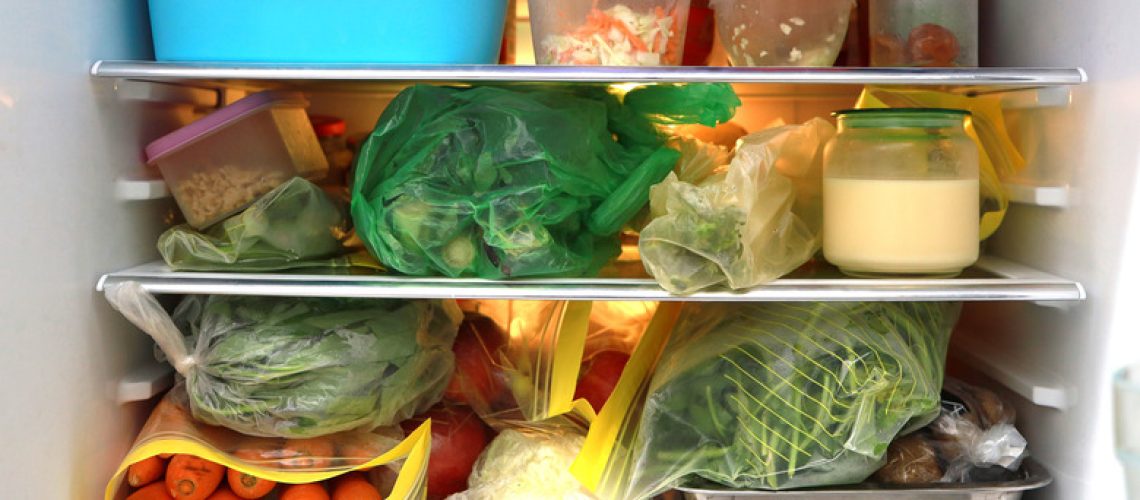
Food prices are high enough without allowing poor storage habits to make your groceries more expensive.
Many Nigerian households spend a significant amount of money buying rice, beans, tomatoes, onions, vegetables, yam, potatoes, meat, fish and other foodstuff. Yet some of these items never make it to the cooking pot. They spoil, become infested, lose their quality or are thrown away because they were stored incorrectly.
The problem is easy to overlook. You may think you are simply dealing with the occasional rotten tomato or spoiled pepper. However, repeated food waste can quietly add thousands of naira to your monthly expenses.
Good food storage is not only about keeping your kitchen tidy. It is also a simple way to protect your income.
Here are five common foodstuff storage mistakes that could be draining your wallet.
1. Storing Tomatoes and Other Fresh Produce the Wrong Way
Fresh produce can spoil surprisingly quickly when stored under unsuitable conditions.
Tomatoes are a common example. Many people buy a large quantity because prices are better when buying in bulk. However, storing ripe tomatoes in a tightly packed bowl at room temperature can encourage bruising and faster spoilage.
The same problem can affect peppers, leafy vegetables and other delicate produce.
When fruits and vegetables are piled together, the ones at the bottom can become damaged without you noticing. Moisture also builds up, creating an environment where mould and rot spread quickly.
Instead, sort fresh produce as soon as you get home. Separate bruised or very ripe items from firm ones. Remove damaged pieces before they affect the rest.
Some produce also needs refrigeration, while others keep better in a cool, dry and well-ventilated area. Understanding those differences can significantly reduce waste.
The goal is simple: buying food in bulk only saves money if you can store and use it before it spoils.
2. Keeping Dry Foodstuff in Poorly Sealed Containers
Rice, beans, garri, flour, semolina, maize and other dry food items may last for months. However, they are not automatically protected from damage.
One of the biggest mistakes is leaving dry food in open bags or poorly sealed containers.
This exposes food to moisture, insects and pests. Weevils can become a major problem in products such as beans and grains. A little moisture can also cause some dry foods to develop mould or unpleasant smells.
Using proper airtight containers can make a major difference.
After buying dry foodstuff, inspect it before storage. Keep it in clean, completely dry containers with tight-fitting lids. Avoid placing containers directly on a damp floor.
For larger quantities, divide food into manageable portions rather than repeatedly opening one large container. This reduces exposure to air, moisture and pests.
You do not necessarily need expensive storage equipment. Clean food-grade buckets, jars and containers with secure lids can work well.
The money you spend preventing an infestation is usually less than the money you lose when an entire bag of food becomes unusable.
3. Buying More Than Your Storage Space Can Handle
Bulk buying can be a smart way to reduce the cost of food. But buying everything in large quantities is not automatically economical.
Imagine buying several baskets of tomatoes because the market price is attractive. If half of them spoil before you use them, the cheaper price does not really matter.
The same applies to vegetables, fruits, meat, fish and other perishable items.
Before buying in bulk, consider three things: how much your household consumes, how long the food will last and how much storage space you have.
A family that consumes a large quantity of rice every month may benefit from buying a bigger bag. The same household may not benefit from buying an excessive quantity of highly perishable vegetables.
Create a simple shopping plan. Estimate how much your household uses weekly or monthly. Then buy according to your actual consumption.
If you have limited freezer, refrigerator or pantry space, your purchasing strategy should reflect that.
Remember, a bargain is not a bargain when you end up throwing part of it away.
4. Forgetting What You Already Have
How often have you opened your kitchen cabinet and discovered food you forgot you bought?
This is another quiet source of household waste.
Without an organised storage system, older food can get pushed behind newer purchases. You then buy another bag of rice, packet of pasta, tin of tomatoes or bottle of cooking oil without realising you already have enough.
Eventually, some products reach their expiry dates or lose their quality.
The solution is simple: practise first in, first out, commonly called FIFO.
When you buy a new batch of food, place it behind the older batch. Use the older items first.
You can also label containers with the purchase date. This is particularly useful when storing grains, flour and other products for several weeks or months.
Once a week, spend a few minutes checking your pantry, refrigerator and freezer. Look for items that need to be used soon.
This small habit can prevent unnecessary shopping and reduce waste.
5. Storing Everything at the Same Temperature
Not every food item belongs in the refrigerator. At the same time, not every food should remain on the kitchen counter.
Storing everything at the same temperature can shorten the shelf life of some foods.
For example, certain fresh vegetables can lose their quality when exposed to unsuitable temperatures. Meat, fish and other highly perishable foods, however, require proper refrigeration or freezing to remain safe.
Temperature also matters when storing cooked food. Leaving cooked meals at room temperature for too long can increase the risk of foodborne illness.
Instead of treating your refrigerator as a place to put everything, learn the basic storage requirements of the foods you regularly buy.
Keep your refrigerator cold enough for perishable foods and avoid overloading it to the point that cold air cannot circulate properly.
Your freezer should also be organised so you can easily identify older items before opening or buying something new.
Proper temperature management protects both your food and your health.
How Better Storage Can Save You Money
Food storage may seem like a small household issue, but the savings can add up.
Suppose a household regularly throws away ₦5,000 worth of spoiled food every week. That is roughly ₦20,000 in a month. Over a year, the wasted money could reach about ₦240,000.
The exact amount will vary from household to household, but the principle remains the same: food that gets thrown away is money that has already been spent.
You do not always need to spend more money to reduce this waste. Often, you need a better system.
Buy according to consumption. Separate damaged produce. Use airtight containers. Rotate older food. Keep perishables at appropriate temperatures. Check your storage areas regularly.
These habits are particularly important when food prices continue to put pressure on household budgets.
Final Thoughts
Saving money on food is not only about finding cheaper markets or waiting for lower prices. It is also about making sure the food you already paid for actually gets eaten.
Poor storage can quietly turn good food into waste. A forgotten bag of beans, mouldy tomatoes or spoiled vegetables may seem insignificant on its own. Repeated over months, however, these losses can become a serious expense.
Your kitchen can therefore become part of your savings strategy.
Store smarter, buy according to your needs and pay attention to what you already have. When less food ends up in the bin, more of your money stays where it belongs: in your pocket.
