

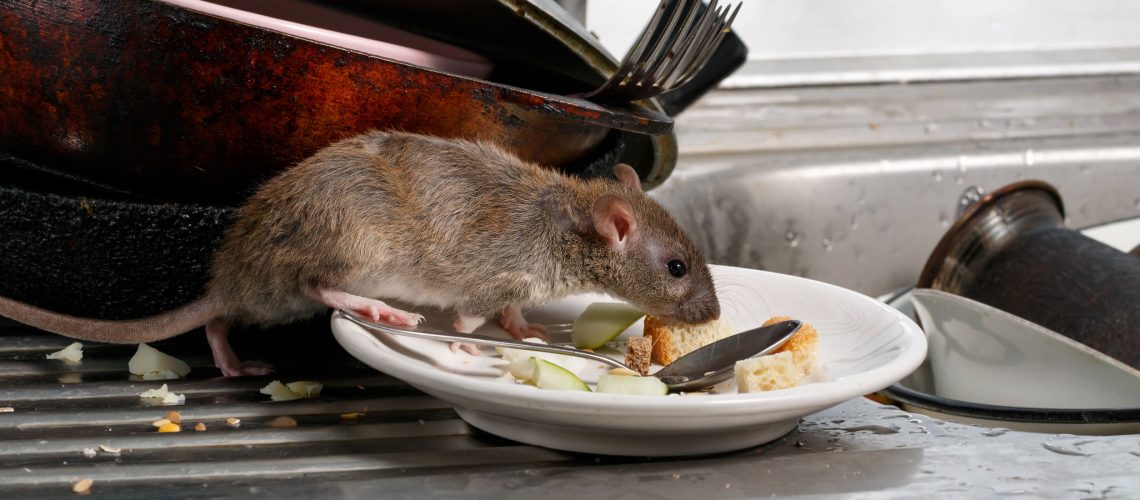
Discovering a rat in your house can be disturbing.
One moment, everything feels normal. The next, you hear scratching behind the cupboard, see droppings near the kitchen, or spot a rat running across the floor.
Your first reaction may be to panic or chase it. However, the best response is to stay calm and act quickly. Rats can contaminate food, damage household items, chew electrical wires and reproduce rapidly if they find a comfortable place to stay.
The good news is that you can take practical steps immediately to deal with the problem and make your home less attractive to rats.
Here is what to do right now.
1. Stay Calm and Keep Your Distance
If you see a rat, do not try to catch it with your bare hands.
Rats are unpredictable when frightened. They may run into another room, hide behind furniture or bite if they feel trapped.
Instead, move children and pets away from the area. Close doors to rooms where possible and keep the rat contained in one part of the house.
If you know where it went, avoid disturbing the hiding place immediately. Give yourself time to plan your next step.
2. Remove Food Sources Immediately
Rats rarely stay in a home without access to food.
Start by checking the kitchen, pantry and dining area. Put exposed food into sealed containers. Do not leave bread, rice, garri, cereal, fruits or leftovers uncovered overnight.
Pay particular attention to food stored in bags. A rat can chew through many types of packaging with little difficulty.
Also clean crumbs, food spills and grease from floors and kitchen surfaces.
If you have pets, avoid leaving pet food on the floor overnight.
The goal is simple: make your home difficult for the rat to feed in.
3. Take Out the Rubbish
An overflowing bin can become an easy food source.
Tie rubbish bags properly and move them outside to a secure waste container. Clean the inside and surrounding area of the bin if food has spilled around it.
Do not leave food waste sitting in an open bucket or uncovered container.
If your home has a compound, also inspect the areas around outdoor bins, drains and storage spaces. Rats can live outside and enter the house when they find an easy route.
4. Look for Where the Rat Is Getting In
Killing or removing one rat does not solve the bigger problem if other rats can still enter.
Inspect the house for possible entry points.
Check areas around:
- Doors and windows
- Plumbing pipes
- Kitchen cabinets
- Bathroom drains
- Roof spaces
- Air-conditioning pipes
- Broken vents
- Cracks around walls and foundations
- Gaps beneath doors
Rats can squeeze through surprisingly small openings.
Once you identify an opening, seal it properly using suitable materials. For larger gaps, consider stronger barriers that rats cannot easily chew through.
A door sweep can also help close the gap underneath an external door.
5. Check Your Food Storage
A rat sighting is a good reason to rethink how you store food.
Keep dry foods such as rice, beans, garri, flour and cereals in strong, tightly sealed containers rather than thin plastic bags.
Do not assume that food is safe simply because it is stored inside a cupboard. If a rat can reach the cupboard, it may reach the food.
Regularly inspect stored food for signs of chewing, droppings or unusual smells.
If packaging has clearly been contaminated by a rat, it is safer to discard the affected food rather than take unnecessary risks.
6. Clean Rat Droppings Carefully
Finding rat droppings can be unpleasant, but cleaning them requires caution.
Do not immediately sweep or vacuum dry droppings. This can disturb contaminated material and allow particles to become airborne.
Instead, ventilate the area if possible and use appropriate household disinfectant according to its label. Wear gloves while cleaning and dispose of contaminated materials carefully.
Afterwards, wash your hands thoroughly.
If there is a large amount of droppings, urine or nesting material, consider getting professional pest-control help rather than handling the infestation yourself.
7. Use Traps Carefully
If the rat remains inside the house, traps can help. Place traps along walls or areas where you have noticed rat activity. Rats often move close to walls rather than crossing wide open spaces.
Use traps according to their instructions and keep them away from children and pets.
Avoid placing traps randomly around the house. Look for evidence such as droppings, gnaw marks or scratching sounds to identify areas with activity.
If you repeatedly catch rats, that may indicate a larger infestation.
8. Be Careful With Rat Poison
Rat poison can seem like the easiest solution, but it should not be used carelessly.
Poison can be dangerous to children, pets and other animals. There is also a risk that a poisoned rat may die inside a wall, ceiling or another inaccessible location, creating a serious odour problem.
If rodenticide is necessary, follow the product instructions carefully and keep it completely inaccessible to children and pets.
For persistent infestations, professional pest control is usually a safer and more controlled option.
9. Declutter Hiding Places
Rats prefer quiet, hidden areas where they can rest and build nests.
Look around your home for piles of cardboard, old newspapers, unused bags, broken furniture and other clutter.
Pay particular attention to dark areas under sinks, behind appliances, inside storage rooms and around the back of cupboards.
Reducing clutter removes potential hiding places and makes it easier to notice signs of rat activity.
10. Check Outside the House Too
Sometimes the problem is not actually inside the house.
Rats may live around drains, rubbish areas, overgrown vegetation, abandoned materials or poorly maintained outdoor spaces. From there, they can enter through small openings.
Keep vegetation around the building under control. Store rubbish properly and avoid allowing piles of wood, cartons or unused materials to accumulate close to the house.
If you live in an area with open drains, markets, construction activity or nearby waste accumulation, regular inspections become even more important.
11. Know When You Need Professional Help
One rat does not always mean your house has a major infestation. However, repeated sightings should not be ignored.
Look for warning signs such as:
- Rat droppings appearing repeatedly
- Scratching sounds at night
- Chewed food packages
- Gnaw marks on furniture or wires
- Strong urine smells
- Nesting materials
- Rats appearing during the daytime
- More than one rat sighting
If these signs continue after cleaning and sealing obvious entry points, contact a qualified pest-control professional.
A professional can identify hiding places, entry routes and the scale of the infestation.
Final Thoughts
Seeing a rat in your house is unpleasant, but panic will not solve the problem. The most important thing is to act quickly.
Remove accessible food, secure your rubbish, inspect possible entry points, clean contaminated areas carefully and reduce places where rats can hide. Traps may help with individual rodents, while persistent activity may require professional pest control.
Most importantly, do not focus only on the rat you saw. Find out why it entered your home in the first place.
When food, water, shelter and easy access are removed, your house becomes a much less attractive place for rats to stay.
