

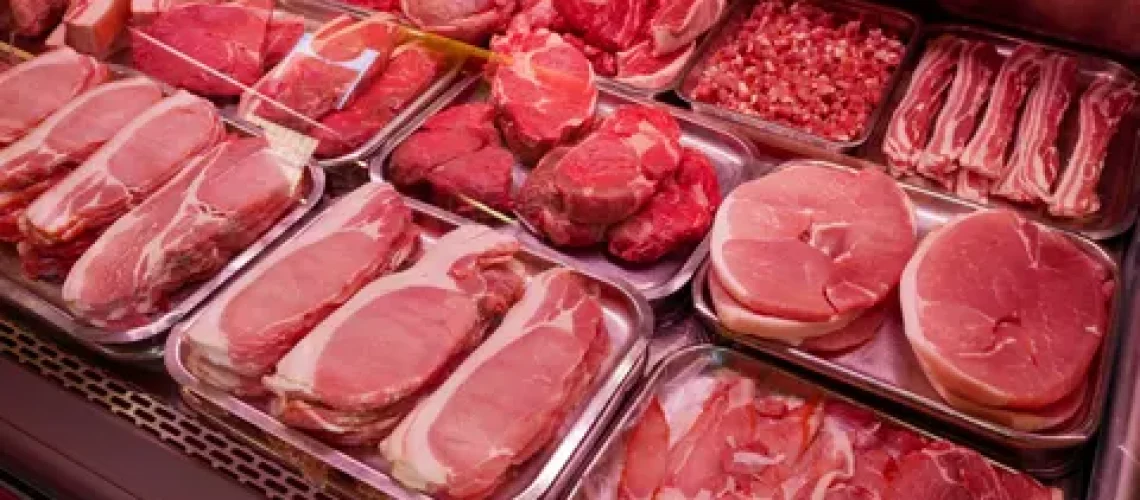
Bulk Food Sharing 101: How One Cow Can Feed Four Families
Food prices can make regular grocery shopping feel like a financial battle. Meat, especially beef, is one of the items that can quickly increase a household’s food budget. Buying small portions from the market every few days may seem convenient, but it can become expensive over time.
There is another approach that families, neighbours, church groups, associations and close friends can consider: bulk food sharing.
The idea is simple. Instead of four families buying meat separately, they pool their money, purchase a larger quantity together and divide it fairly.
In some cases, this could mean buying a whole cow and sharing the meat among four families. It sounds ambitious, but with proper planning, budgeting and storage, bulk buying can make quality protein more affordable.
What Is Bulk Food Sharing?
Bulk food sharing is a system where several households contribute money to purchase food in larger quantities and then divide the items among themselves.
It can work for rice, beans, cooking oil, vegetables, fish and meat. For meat, the group could agree to buy a cow, goat or other large quantity and share the usable portions.
The major advantage is collective purchasing power.
One family may struggle to buy a large quantity of beef at once. Four families working together, however, can combine their budgets and negotiate a better arrangement.
The goal is not simply to buy more food. It is to reduce waste, control costs and make household food planning easier.
How Can One Cow Feed Four Families?
The phrase “one cow can feed four families” should not be understood as meaning that every part of one cow automatically provides four families with months of unlimited meat.
The actual amount of edible meat depends on the animal’s size, breed, age, condition, butchering process and how much is lost to bones, fat and other parts.
The important principle is shared bulk purchasing.
Suppose four families agree to buy a cow together. Each family contributes 25 percent of the agreed budget. After processing, the usable meat is weighed and divided according to an agreed formula.
The group might divide the meat equally by weight. Alternatively, they could separate cuts such as beef, offal and other usable portions and assign values to each.
This is where planning becomes important.
Before anyone contributes money, the families should agree on what exactly they are buying, how the meat will be processed and how the final portions will be distributed.
Start With Four Families You Trust
Bulk food sharing works best when participants trust one another.
You do not need a large cooperative. Four families can be enough to start.
These could be siblings, close friends, neighbours, colleagues or members of the same community group.
However, friendship alone is not enough. Everyone should understand the rules before money changes hands.
Discuss questions such as:
- How much will each family contribute?
- Who will purchase the cow?
- Who will supervise the weighing?
- Where will the animal be processed?
- How will the meat be divided?
- Who pays for transportation and butchering?
- How will disagreements be resolved?
Clear answers prevent small misunderstandings from becoming major conflicts.
Calculate the Real Cost
The purchase price of the cow is only one part of the budget.
The group should also consider transportation, slaughtering or processing charges, cutting, packaging, storage and delivery.
For example, if four families contribute equally, all shared costs should be included before calculating each family’s final share.
A simple formula is:
Total cost ÷ number of families = basic contribution per family.
However, the group should also calculate the amount of usable meat available after processing.
This prevents a common mistake: assuming the purchase price automatically tells you how much edible meat you will receive.
Decide How the Meat Will Be Shared
Fair distribution is one of the most important parts of the process.
Simply telling everyone to “take what they want” can quickly create arguments.
A better system is to weigh portions.
For example, after processing, the meat can be separated into manageable portions and weighed. Each family receives an agreed amount based on its contribution.
If everyone contributed equally, equal shares may be appropriate.
If one family contributes more, the group can agree in advance that its share will also be larger.
The key is to decide the formula before the meat arrives.
Don’t Forget the Different Cuts
Not every part of a cow has the same value or cooking purpose.
Some families may prefer boneless meat. Others may want bones for soups and stews. Some households may enjoy offal, while others may not want it.
This should be discussed before purchasing.
One practical approach is to create categories such as:
Stewing beef: for soups, sauces and everyday meals.
Premium cuts: for grilling, frying or special meals.
Bones: useful for soups and stock.
Offal: for households that enjoy it.
Fat: depending on household preferences and local cooking practices.
This allows families to receive useful portions instead of forcing everyone to take exactly the same cuts.
Proper Storage Is Essential
Buying meat in bulk only saves money if the food is stored properly.
Once the meat is divided, each family’s portion should be packaged into smaller quantities suitable for individual meals.
For example, instead of freezing one enormous bag, divide the meat into packages that can serve a family for one or two meals.
Label each package with the type of meat and date.
A reliable freezer is especially important. The families should also agree on how long the meat will remain frozen and how it will be transported home without unnecessary temperature changes.
If one family does not have adequate freezer space, it may need to contribute towards shared cold storage or arrange another safe solution.
Bulk Sharing Can Go Beyond Beef
Once families understand the system, they can apply the same idea to other foods.
Four families could jointly purchase a bag of rice, beans, cooking oil or cartons of essential food items.
A neighbourhood group could even organise monthly bulk purchases.
For example, one month could focus on meat, another on grains and another on cooking essentials.
This transforms bulk buying from an occasional experiment into a household budgeting strategy.
The Biggest Benefit: Planning
The greatest advantage of bulk food sharing may not be the amount of meat purchased.
It is the ability to plan.
Instead of repeatedly visiting the market whenever meat is needed, families can purchase, divide and store their supply.
That reduces impulse buying and can make monthly food budgets easier to manage.
It can also reduce the stress of rising market prices because households have already secured part of their food supply.
However, families should still compare prices before every purchase. Bulk buying is not automatically cheaper. The group should check the total cost against what similar quantities would cost when purchased separately.
Build Trust, Not Just a Shopping Group
Bulk food sharing is ultimately a community arrangement. It works when everyone is transparent about money, quantities and distribution.
Keep simple records of contributions and expenses. Weigh portions openly. Use reputable butchers or processors where possible. Agree on responsibilities and communicate clearly.
Most importantly, start small.
Four families do not need to buy a cow every month. They can begin with a smaller quantity of meat and see how well the arrangement works.
If the system saves money, reduces market stress and creates less food waste, the group can gradually increase its purchases.
Final Thoughts
One cow feeding four families is less about the cow itself and more about the power of collective buying. When households combine their purchasing power, they can access larger quantities, divide costs and plan their food supply more effectively.
The model requires trust, accurate weighing, proper storage and clear agreements. Without these, bulk buying can create unnecessary disputes.
With good planning, however, four families can turn one large purchase into several organised household food supplies.
In a time when every naira matters, sometimes the smartest way to save money is not to shop alone. It is to buy together, divide fairly and plan ahead.
