

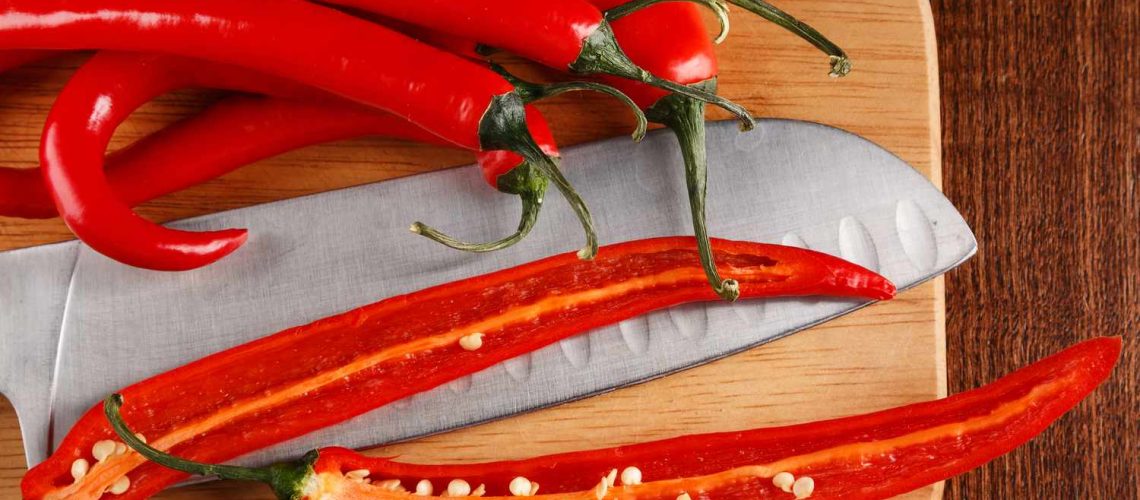
Pepper is one of those ingredients that can completely change a meal.
Whether you are cooking jollof rice, pepper soup, stew, fried rice, or simply adding some heat to your beans, fresh pepper brings flavour, aroma, and that familiar Nigerian kick.
The problem is that fresh pepper can spoil quickly. It may become soft, watery, mouldy, or lose its fresh taste before you have the chance to use it. Worse still, poor storage can affect the pepper’s flavour and make it less useful in your cooking.
So, how do you store pepper properly without losing its heat?
The good news is that you do not need expensive equipment. With the right preparation and storage method, you can keep your pepper fresh for days or preserve it for much longer.
Why Does Pepper Lose Its Quality?
Fresh pepper contains a lot of moisture. When it is kept in a warm or poorly ventilated environment, that moisture creates conditions for spoilage.
Pepper can also lose quality when it is exposed to excessive heat, sunlight, or moisture. Washing it and storing it while still wet is another common mistake.
The goal is simple: reduce excess moisture, protect the pepper from heat and air, and choose the right storage method for how soon you plan to use it.
1. Do Not Wash Pepper Before Storing It
One of the easiest ways to make fresh pepper spoil quickly is to wash it before putting it away.
Water left on the surface can encourage mould and softening. Instead, sort the pepper first and remove any damaged or rotten pieces.
If the pepper is dirty, gently wipe away visible dirt with a clean, dry cloth. Wash it properly only when you are ready to use it.
If you must wash it before storage, make sure it dries completely before putting it into the refrigerator or freezer.
2. Remove Spoilt or Damaged Peppers
Always inspect your pepper before storage.
One soft, leaking, or mouldy pepper can affect the others when they are stored together. Separate peppers with bruises, cuts, black spots, or signs of mould.
Do not simply remove the bad section and store a heavily mouldy pepper with the good ones. It is safer to discard it.
Sorting your pepper also makes it easier to know which ones should be used first.
3. Store Fresh Pepper in the Refrigerator
If you plan to use your pepper within a few days, the refrigerator is one of the simplest options.
Keep the peppers dry and place them in a breathable container or bag. Avoid sealing completely wet peppers in an airtight plastic bag.
You can place a dry paper towel around the peppers to absorb excess moisture. Replace the towel if it becomes damp.
The refrigerator slows down deterioration while helping the pepper retain its texture and flavour.
However, do not keep opening the container unnecessarily. Frequent temperature changes and exposure to moisture can shorten its storage life.
4. Freeze Pepper for Long-Term Storage
Freezing is one of the best options when you have bought a large quantity of pepper and do not want it to spoil.
Start by sorting and washing the pepper. Remove the stalks if you prefer. Then allow the peppers to dry completely.
You can freeze them whole or cut them into smaller pieces.
For convenience, divide the pepper into small portions before freezing. For example, you can make portions that are enough for one pot of stew or soup.
Place each portion in a freezer-safe bag or container. Remove as much excess air as possible before sealing.
When you need pepper, take out only the amount required.
Does Freezing Make Pepper Lose Its Heat?
This is a common concern.
Freezing can change the texture of fresh pepper after it thaws, but it does not mean the pepper suddenly becomes mild. The compounds responsible for the heat remain largely preserved when the pepper is properly frozen.
The biggest change is usually texture. Thawed pepper may become softer than fresh pepper.
That makes frozen pepper especially useful for blending into stew, soup, sauces, pepper soup, and other cooked dishes.
If you care more about heat and flavour than crunchy texture, freezing is an excellent option.
5. Blend Pepper and Freeze It
Another practical method is to blend your pepper before freezing it.
Wash and dry the peppers thoroughly. Remove the stalks, then blend them according to how you normally use them.
You can blend the pepper alone or combine it with ingredients you regularly cook with.
However, if your goal is to preserve the pepper’s original flavour and heat, avoid adding unnecessary ingredients.
Pour the blended pepper into small containers or freezer-safe bags. You can also freeze it in small portions so that you do not have to thaw the entire batch whenever you cook.
This method can save time during busy weekdays.
6. Avoid Keeping Fresh Pepper in Direct Sunlight
It may seem harmless to leave pepper on the kitchen counter, especially when you plan to use it soon.
However, prolonged exposure to heat and sunlight can speed up deterioration.
If you need to keep pepper outside the refrigerator temporarily, choose a cool, dry, shaded location with good airflow.
Do not leave it beside a cooker, oven, or other source of heat.
7. Keep Different Pepper Types Separate
Different varieties of pepper can have different moisture levels and storage characteristics.
For example, fresh chilli peppers, Scotch bonnet peppers, and other hot peppers may not spoil at exactly the same rate.
Keeping them separate makes it easier to monitor their condition. It also allows you to use each variety according to its purpose.
You can label containers if you have several types of pepper in the freezer.
8. Do Not Keep Taking Frozen Pepper In and Out
Temperature changes are not ideal for stored food.
If you freeze a large bag of pepper and repeatedly remove it, take some out, and return the rest to the freezer, you may introduce moisture and encourage freezer damage.
Instead, divide the pepper into small portions before freezing.
This simple step makes your pepper easier to use and helps protect the quality of the remaining portions.
9. Dry Pepper for an Even Longer Shelf Life
If you want a storage method that does not depend on a freezer, drying is another option.
Pepper can be dried using appropriate sunlight exposure, a food dehydrator, or a low-temperature oven where suitable.
The key is to remove enough moisture to prevent spoilage.
Once completely dry, store the pepper in a clean, dry, airtight container away from moisture and direct sunlight.
Dried pepper will have a different texture from fresh pepper, but it can still provide plenty of heat when used in cooking.
The Best Storage Method Depends on Your Needs
There is no single perfect way to store pepper.
If you will use it within a few days, refrigeration is convenient. If you bought a large quantity, freezing is usually more practical. If you want long-term storage without relying on refrigeration, drying can be useful.
The most important principles remain the same: keep pepper dry, protect it from excessive heat, prevent contamination, and store it in portions that match how you cook.
Final Thoughts
Pepper does not have to go bad simply because you bought more than you need for one meal. With proper storage, you can keep your pepper useful for much longer while preserving the heat and flavour that make it such an important ingredient in Nigerian cooking.
Start by sorting your peppers and keeping moisture under control. Refrigerate what you will use soon, freeze larger quantities, or dry pepper when you need an even longer-term option.
Most importantly, avoid unnecessary washing before storage and never store damaged or mouldy peppers with healthy ones.
A little preparation can save you from throwing away food, wasting money, and making another trip to the market before your next pot of stew.
