

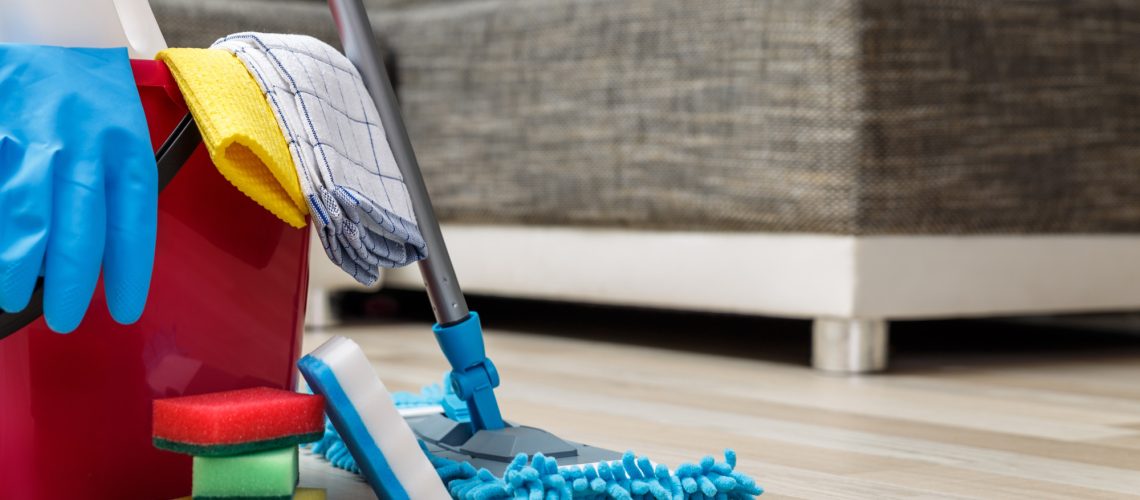
Cleaning your house regularly keeps it looking good.
However, regular cleaning is not always enough. Dust can settle in hidden corners, grease can build up, mould can develop, and areas you rarely notice can become dirty over time.
That is where deep cleaning comes in.
Deep cleaning involves going beyond everyday tasks such as sweeping, mopping and wiping surfaces. It means cleaning areas that are often ignored, including behind furniture, inside cupboards, under appliances, around windows and in other hard-to-reach spaces.
But how often should you deep clean each room in your house?
The answer depends on the room, how often you use it, the number of people in your household and factors such as pets, children, dust and humidity. Here is a practical guide to help you create a deep-cleaning schedule that works.
What Is Deep Cleaning?
Deep cleaning is a more thorough form of cleaning that targets dirt and grime that regular cleaning may miss.
For example, your normal kitchen routine might include washing dishes, wiping the counter and sweeping the floor. A deep clean would go further by cleaning behind appliances, degreasing cabinets, scrubbing corners and checking areas where food particles may collect.
You do not necessarily need to deep clean your entire house every week. Instead, different rooms need different schedules.
How Often Should You Deep Clean the Kitchen?
Recommended frequency: Once a month, with smaller tasks every week.
The kitchen is one of the busiest areas in most homes. Food spills, grease, crumbs and moisture can quickly create unpleasant smells and attract insects.
A monthly deep clean should include:
- Cleaning behind and underneath appliances.
- Degreasing the cooker and extractor area.
- Cleaning inside the refrigerator.
- Washing cabinet doors and handles.
- Scrubbing the backsplash and corners.
- Cleaning the sink and drains.
- Checking food storage areas for expired products.
- Washing bins and their surrounding areas.
If you cook frequently, have a large household or prepare oily foods regularly, you may need to deep clean the kitchen more often.
Do not wait for visible dirt before cleaning. Some kitchen contamination develops in places that are easy to overlook.
How Often Should You Deep Clean the Bathroom?
Recommended frequency: Every two to four weeks.
Bathrooms need frequent attention because they are exposed to moisture, soap residue and bacteria. In humid environments, mould and mildew can also develop quickly.
During a deep clean, focus on:
- Tiles and grout.
- Shower walls and doors.
- Toilet surfaces and surrounding areas.
- Bathroom drains.
- Mirrors and windows.
- Behind the toilet.
- Under the sink.
- Bathroom cabinets.
- Ventilation areas.
If your bathroom stays damp for long periods, increase the frequency. Good ventilation also helps reduce mould and musty smells between deep cleans.
How Often Should You Deep Clean the Bedroom?
Recommended frequency: Every one to three months.
Bedrooms usually do not become as dirty as kitchens or bathrooms. However, dust, dead skin cells, hair and allergens can accumulate over time.
A bedroom deep clean should include:
- Moving the bed and cleaning underneath it.
- Vacuuming or washing rugs.
- Dusting furniture thoroughly.
- Cleaning windows and window frames.
- Washing curtains where appropriate.
- Cleaning wardrobes and drawers.
- Rotating or cleaning the mattress according to its care instructions.
- Dusting ceiling fans and light fixtures.
You should wash bed sheets regularly as part of normal cleaning. Deep cleaning the bedroom is about dealing with the areas that your usual routine misses.
How Often Should You Deep Clean the Living Room?
Recommended frequency: Every one to three months.
The living room often receives plenty of traffic. Guests, children, pets and everyday activities can bring in dust and dirt.
During a deep clean, move furniture where possible and clean underneath and behind it. Vacuum sofas, including underneath cushions, and dust shelves, electronics and decorative items.
You should also clean:
- Curtains and blinds.
- Windows and window frames.
- Ceiling fans.
- Light fixtures.
- Skirting boards.
- Rugs and carpets.
- Corners and areas behind furniture.
If your living room is used heavily every day, monthly deep cleaning may be more practical.
How Often Should You Deep Clean the Dining Area?
Recommended frequency: Once every one to two months.
Dining areas can collect food crumbs, stains and dust. While wiping the dining table should be part of your regular routine, deep cleaning requires more attention.
Clean the chairs, table legs, walls around the dining area and floor edges. If you have a dining rug, vacuum it thoroughly and deal with stains promptly.
Also check nearby storage cabinets or shelves where food-related dust and crumbs may accumulate.
How Often Should You Deep Clean Hallways and Entryways?
Recommended frequency: Once every one to two months.
Entryways are often the first areas to collect outdoor dirt. Shoes, bags, dust and moisture can quickly make these spaces dirty.
Deep clean the floors, corners, walls, doors and shoe storage areas. If you have a doormat, wash or clean it regularly.
During rainy periods, you may need to clean entryways more frequently because of mud and moisture.
How Often Should You Deep Clean the Laundry Area?
Recommended frequency: Once a month.
Laundry areas can become surprisingly dirty. Lint, detergent residue, dust and moisture can build up around washing machines and other equipment.
A monthly deep clean should include wiping the washing machine, cleaning detergent compartments, checking hoses and cleaning the floor behind and underneath the machine where accessible.
Keep the area ventilated to reduce dampness and unpleasant smells.
What About Storage Rooms and Closets?
Recommended frequency: Every three to six months.
Storage areas do not usually need monthly deep cleaning. However, they can become dusty and cluttered because they are not used frequently.
Every few months, remove stored items, dust shelves, inspect boxes and reorganise belongings.
This is also a good opportunity to identify things you no longer need. A clean storage area is much easier to manage when unnecessary items are removed.
Create a Deep-Cleaning Schedule That Works
You do not have to spend an entire weekend cleaning your house from top to bottom every month.
Instead, divide the work.
For example, you could deep clean the bathroom during the first weekend, the kitchen during the second, the bedrooms during the third and the living areas during the fourth.
You can also adjust the schedule based on your home. A house with children, pets, frequent visitors or allergy concerns may need more frequent deep cleaning.
The important thing is consistency.
Signs Your Home Needs a Deep Clean
Your cleaning schedule should be flexible. Sometimes your house will need attention before the planned date.
Look out for signs such as:
- Persistent unpleasant smells.
- Visible mould or mildew.
- Greasy surfaces.
- Dust building up quickly.
- Dirty corners and hidden spaces.
- Stained grout.
- Cluttered storage areas.
- Allergies becoming worse indoors.
- Dirt underneath furniture.
These signs tell you that regular cleaning is no longer enough.
Final Thoughts
There is no single deep-cleaning schedule that works for every home. Kitchens and bathrooms generally need more frequent deep cleaning because they are exposed to food, moisture and heavy use. Bedrooms, living rooms and storage spaces can usually go longer between deep cleans.
The goal is not to make cleaning your entire life. Instead, create a realistic routine that prevents dirt from becoming a bigger problem.
A little regular maintenance, combined with scheduled deep cleaning, can keep your home fresher, healthier and much easier to manage.
