

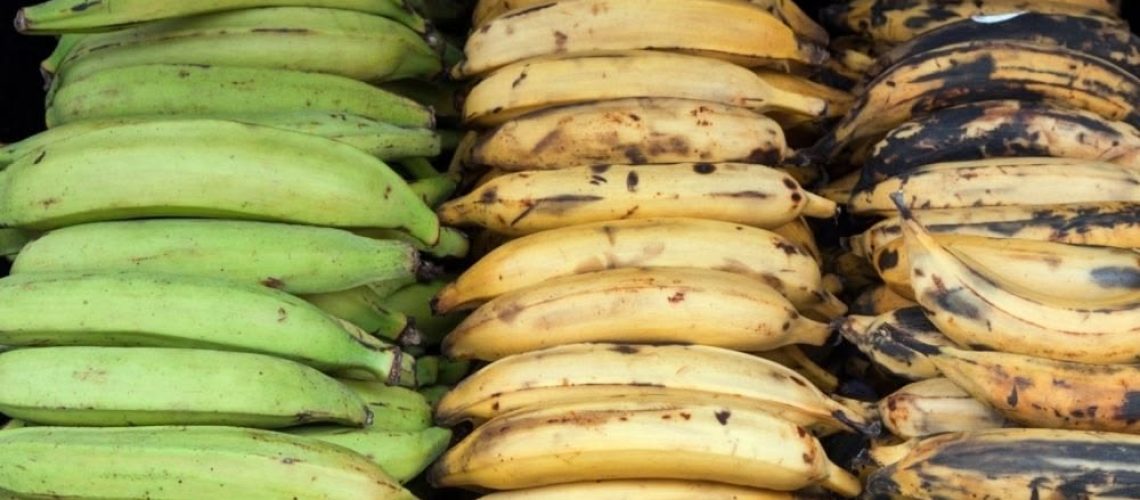
Can You Freeze Plantain? What Actually Works
Plantain is a staple food in many Nigerian and African households. From fried dodo and boiled plantain to roasted plantain and porridge, it offers plenty of ways to prepare a satisfying meal. However, plantain ripens quickly, especially in warm weather. Before you know it, the firm green fruit you bought at the market has turned yellow, developed dark spots, or become too soft for your preferred recipe.
Fortunately, freezing plantain can help you reduce food waste, save money, and prepare meals more conveniently. But can you freeze plantain without ruining its taste and texture? Yes, you can. The important thing is knowing when to freeze it, how to prepare it, and which freezing method works best for different dishes.
Can You Freeze Plantain?
Yes, you can freeze plantain, whether it is green, partially ripe, or fully ripe. However, the results depend on its ripeness and how you intend to use it after thawing.
Green plantain works well for boiling, making porridge, preparing plantain flour, and cooking savoury dishes. Ripe plantain is suitable for frying, baking, roasting, and making snacks. You can freeze both varieties, but preparation matters.
Freezing slows down the activity of microorganisms and enzymes that contribute to food deterioration. Nevertheless, it does not improve spoiled food or completely stop every change in quality. Plantain may become softer after thawing because ice crystals affect its cellular structure.
For this reason, frozen plantain generally works best in cooked dishes rather than recipes that require the fruit to retain its original firmness.
What Is the Best Way to Freeze Plantain?
The best method depends on whether you want to freeze it green or ripe. In most cases, peeling and cutting plantain before freezing makes it easier to use later.
1. Freezing Peeled, Sliced Plantain
This method works particularly well for ripe plantain intended for frying, roasting, or baking.
First, select fresh plantain that has no signs of mould, rot, or spoilage. Peel each fruit and cut it into your preferred shape. You can slice it diagonally, cut it into rounds, or divide it into larger pieces.
Arrange the pieces in a single layer on a tray lined with baking paper. Make sure they do not touch too much, as this helps prevent them from freezing into one solid mass.
Place the tray in the freezer for a few hours until the pieces become firm. Next, transfer them into a freezer-safe bag or airtight container. Remove as much air as possible, label the package with the date, and return it to the freezer.
This method allows you to remove only the amount you need for each meal. It also makes portion control easier for families and people who prepare meals in advance.
2. Freezing Whole, Peeled Plantain
If you want a simpler method, you can freeze plantain whole after removing the peel. This option works best when you have enough freezer space and expect to use the entire fruit at once.
Place the peeled plantain in a freezer-safe bag, remove excess air, and seal it properly. For easier storage, you can wrap individual fruits before placing them in a larger bag.
Although whole plantain takes up more space, it requires less preparation. However, it may take longer to thaw, and cutting it into portions after freezing can be difficult.
3. Freezing Mashed Plantain
Mashed plantain is another useful option, particularly if you regularly prepare plantain pancakes, fritters, or baked snacks.
Cook the plantain until soft, allow it to cool promptly, and mash it thoroughly. Divide the mash into meal-sized portions and place each portion in an airtight freezer-safe container or bag.
Flattening the mash inside a freezer bag helps it freeze and thaw more evenly. Remember to label each portion so you can identify it easily.
This method is convenient because it reduces preparation time when you are ready to cook. However, the final texture may differ slightly from freshly prepared mashed plantain.
Should You Freeze Plantain Raw or Cooked?
Both options work, but each has advantages.
Freezing raw, peeled plantain is convenient when you want to decide how to cook it later. You can use the pieces for frying, boiling, roasting, or adding to stews and porridge.
Freezing cooked plantain works well when you want quick meals. For example, you can freeze boiled plantain in individual portions and reheat it when needed. You can also freeze mashed plantain for recipes that call for a soft consistency.
However, cooked plantain must cool safely before freezing. Do not leave it at room temperature for several hours while waiting for it to cool completely. Divide large quantities into shallow containers and refrigerate or freeze them promptly.
For food safety, refrigerate or freeze cooked plantain within two hours of cooking, or within one hour when temperatures exceed 32°C. Keep your freezer at approximately -18°C or colder.
Can You Fry Plantain Straight From the Freezer?
Yes, you can fry some frozen plantain without thawing it first, but the results depend on its size, moisture content, and the cooking method.
Frozen slices may release moisture when they enter hot oil. This can cause splattering, so handle them carefully and avoid adding wet or heavily frosted pieces to the pan. Never overcrowd the pan, and follow the instructions for any commercially packaged frozen product.
For more consistent results, thawing the slices in the refrigerator and patting away excess moisture can help. However, thawed plantain may be softer than fresh plantain, and it may not develop exactly the same texture or crispness.
If your goal is crispy dodo, start with firm, properly ripened plantain and freeze the slices individually. You may need to experiment with your preferred frying method to achieve the texture you like.
You can also bake or air-fry frozen plantain, although cooking time and browning may vary. Check that the pieces are heated through before serving.
How Long Can Plantain Stay in the Freezer?
Plantain kept continuously at -18°C can remain safe for an extended period, provided it was fresh when frozen and handled properly. However, its taste, colour, and texture may gradually deteriorate.
For the best quality, aim to use frozen plantain within two to three months. This is a practical quality guideline rather than a strict food-safety deadline.
Always use airtight packaging to minimise exposure to air and prevent freezer burn. Freezer burn does not automatically make food unsafe, but it can leave plantain dry, discoloured, or less enjoyable.
Avoid repeatedly thawing and refreezing plantain. Instead, divide it into portions before freezing so you can take out only what you need.
Common Mistakes to Avoid When Freezing Plantain
A few simple mistakes can affect the quality of your frozen plantain.
Freezing overripe or spoiled plantain: Freezing will not restore quality or make spoiled food safe. Use fresh fruit without mould or signs of decay.
Leaving the peel on without a plan: You can freeze unpeeled plantain, but the peel may become difficult to remove after freezing. Peeling it first is usually more convenient.
Packing everything together: Slices that freeze into a single lump are difficult to separate. Freeze them individually on a tray before transferring them to a bag.
Using unsuitable packaging: Poorly sealed bags allow air into the package, increasing the risk of freezer burn. Use airtight, freezer-safe containers.
Expecting fresh texture after thawing: Freezing can soften plantain. Choose recipes that tolerate this change rather than expecting every slice to taste exactly like freshly cut fruit.
Is Freezing Plantain Worth It?
For many households, freezing plantain is a practical way to manage food expenses and reduce waste. If you buy plantain in bulk when prices are favourable, freezing allows you to preserve part of your purchase for later meals.
It can also save time during busy weekdays. Instead of peeling and cutting plantain every time you want to cook, you can prepare several portions in advance and store them until needed.
For Nigerian families, food vendors, caterers, and small restaurants, this approach can make meal planning more flexible. Nevertheless, freezing requires reliable freezer space and electricity. If power supply is inconsistent, keep the freezer closed as much as possible during outages and monitor whether the food remains frozen. Discard perishable food that has been above 4°C for more than two hours; if you are unsure how long it has been warm, do not taste it to check its safety.
Final Thoughts
You can freeze plantain successfully, whether it is green or ripe, raw or cooked. The most reliable approach is to use fresh fruit, peel and portion it before freezing, package it properly, and keep it at -18°C or colder.
For frying and roasting, individually frozen slices offer convenience. For quick meals, cooked or mashed plantain can save valuable preparation time. Although frozen plantain may not retain the exact texture of fresh fruit, it remains a useful ingredient for many everyday dishes.
Ultimately, the best freezing method is the one that suits your cooking habits. With a little preparation, you can enjoy plantain more conveniently, make better use of bulk purchases, and waste less food.
