

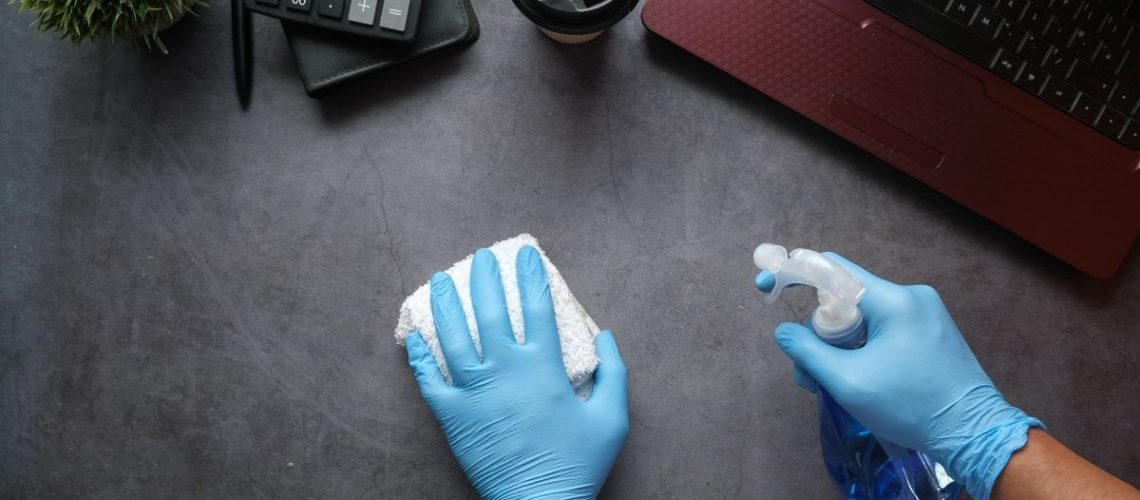
Clean Office, Happy Team: How Cleanliness Boosts Productivity
A clean office does more than create a good first impression. It influences how employees feel, think and perform throughout the working day. From organised desks to spotless floors, every detail contributes to a healthier and more productive environment.
Imagine walking into an office where waste bins overflow, desks gather dust and unpleasant smells fill the air. Employees may struggle to concentrate, feel uncomfortable or spend valuable time searching for documents. Now imagine entering a fresh, organised workspace where everything has its place. The difference is immediate.
In Nigeria, where businesses face pressure to control costs and improve performance, office cleanliness deserves serious attention. Whether you manage a small company in Lagos, a growing business in Abuja or a busy corporate office in Port Harcourt, maintaining a clean workspace can support your team’s success. Here is how cleanliness boosts productivity and helps create a happier workplace.
1. A Clean Office Improves Concentration
Clutter can distract employees and make everyday tasks feel more difficult. Papers scattered across desks, overflowing drawers and dirty communal areas create unnecessary visual noise. Consequently, workers may find it harder to focus on important assignments.
A clean office provides a more organised setting. Employees can locate their tools, arrange their documents and concentrate on their responsibilities without constant distractions.
For example, an accountant working with financial records needs an organised desk to review figures accurately. Similarly, a graphic designer needs a comfortable workspace to develop creative ideas. When their surroundings remain tidy, both employees can devote more attention to their work.
However, cleanliness does not mean every desk must look identical. Employees should have room for personal preferences, provided their arrangements remain hygienic and functional.
2. Workplace Hygiene Helps Reduce Illness
Offices bring people together in shared spaces. Employees touch door handles, keyboards, desks, lift buttons and meeting room equipment throughout the day. Without regular cleaning, these frequently touched surfaces can become sources of contamination.
Dust, accumulated waste and poorly maintained toilets can also make the workplace uncomfortable. Inadequate ventilation may worsen indoor air quality, particularly in crowded offices.
Regular cleaning helps reduce dirt and contamination. Cleaning frequently touched surfaces, sanitising appropriate shared equipment and maintaining clean washrooms all support workplace hygiene.
Businesses should also encourage employees to wash their hands, dispose of waste properly and stay home when they are unwell. Cleaning alone cannot prevent every illness, but it forms an important part of a broader health strategy.
When employees feel safer and healthier at work, businesses may experience fewer disruptions caused by illness. That benefit matters especially to small teams, where one employee’s absence can affect several ongoing projects.
3. Clean Spaces Support Employee Morale
People notice their surroundings, even when they do not mention them. A dirty office can communicate that management overlooks employees’ comfort. In contrast, a well-maintained workspace suggests that the organisation values its people.
This perception can influence morale. Employees are more likely to feel comfortable when they have clean toilets, fresh meeting rooms and tidy break areas. They can also welcome clients and visitors without feeling embarrassed about their environment.
Consider a team that spends eight hours each day in an office with dirty windows, dusty furniture and overflowing bins. Even when employees remain professional, the environment can gradually become frustrating.
Now picture that same team working in a clean, well-ventilated space. Comfortable surroundings can improve the overall experience of coming to work.
Of course, cleanliness cannot replace fair salaries, supportive leadership or reasonable workloads. Nevertheless, it is one practical way to show employees that their wellbeing matters.
4. Better Organisation Saves Valuable Time
Time is an important business resource. When employees spend several minutes searching for documents, clearing desk space or finding usable meeting rooms, those small delays can accumulate.
A clean and organised office reduces avoidable interruptions. Clearly labelled storage, tidy workstations and properly maintained shared areas help employees find what they need quickly.
For instance, a receptionist who maintains an organised front desk can retrieve visitor records more efficiently. Likewise, a team that keeps meeting rooms clean can prepare for appointments without wasting time removing rubbish or rearranging abandoned materials.
Businesses should establish simple routines to maintain this order. Employees can return equipment after use, store documents in designated locations and clear unnecessary items from shared desks.
The goal is not to spend working hours cleaning constantly. Instead, it is to prevent disorder from becoming another problem employees must solve.
5. Cleanliness Creates a More Professional Image
First impressions can influence how customers, business partners and potential investors perceive an organisation. Before they evaluate your products or services, visitors often notice your reception area, meeting rooms and washrooms.
A clean environment communicates attention to detail and professional standards. Meanwhile, dirty furniture, unpleasant smells and neglected facilities may raise concerns about how the business handles other responsibilities.
This matters for companies across different industries. A logistics firm meeting corporate clients, a consulting agency welcoming a new customer and a technology startup pitching investors all benefit from a presentable workspace.
In Nigeria’s competitive business environment, organisations must build trust through their service, communication and everyday operations. Office cleanliness cannot guarantee a contract, but it helps create an environment in which professional relationships can develop comfortably.
6. A Clean Office Encourages Teamwork
Shared spaces often reveal how employees cooperate. When people leave dirty dishes in the kitchen, abandon rubbish in meeting rooms or ignore overflowing bins, frustration can develop among colleagues.
Some employees may repeatedly clean up after others. Over time, this imbalance can create resentment and unnecessary workplace tension.
A clear office cleanliness policy helps prevent these problems. Everyone should understand their responsibilities, including how to use shared facilities, dispose of waste and leave communal areas ready for the next person.
Management must also provide suitable cleaning supplies and arrange professional cleaning where necessary. Employees should not be expected to perform extensive cleaning duties that interfere with their actual jobs.
When everyone contributes appropriately, cleanliness becomes a shared standard rather than a source of conflict. This encourages accountability and respect across the team.
7. Practical Ways to Maintain a Clean Office
Businesses do not need an unlimited budget to improve office hygiene. Consistent habits and a realistic cleaning plan can make a noticeable difference.
Here are seven practical steps to consider:
- Clean desks daily: Remove rubbish, wipe appropriate surfaces and organise essential work materials.
- Maintain washrooms: Clean toilets, sinks and floors regularly. Ensure soap, water and other essential supplies remain available.
- Empty waste bins: Prevent rubbish from accumulating, particularly in kitchens and shared work areas.
- Disinfect frequently touched surfaces: Give attention to door handles, switches, shared keyboards and other commonly used equipment.
- Keep kitchens hygienic: Wash dishes, clean food preparation surfaces and store food safely.
- Schedule deep cleaning: Arrange periodic cleaning for carpets, upholstery, windows and areas that routine cleaning may miss.
- Assign clear responsibilities: Establish a cleaning schedule and determine which duties belong to employees and which require professional cleaners.
Businesses should adapt these measures to their office size, number of employees and daily activities. For example, a busy customer service centre may require more frequent cleaning than a small office with limited foot traffic.
Conclusion
A clean office is more than an attractive workplace. It supports concentration, encourages better hygiene, saves time and contributes to employee morale. It can also strengthen teamwork and improve the impression a business makes on visitors.
However, the greatest benefits come from consistency. Occasional cleaning cannot replace a practical maintenance plan, suitable supplies and shared responsibility. Employers must create the right conditions, while employees should respect the spaces they use.
For Nigerian businesses looking to improve performance, office cleanliness offers a practical place to start. You do not always need expensive furniture or a complete office renovation to improve the working environment. Sometimes, the first step is simply removing clutter, cleaning shared surfaces and establishing better daily habits.
Ultimately, a clean office helps create the conditions for a happier team. When people work in surroundings that support their comfort and focus, they can devote more energy to the tasks that move the business forward. A cleaner workplace may not solve every productivity challenge, but it can make each working day more pleasant, organised and effective.
