

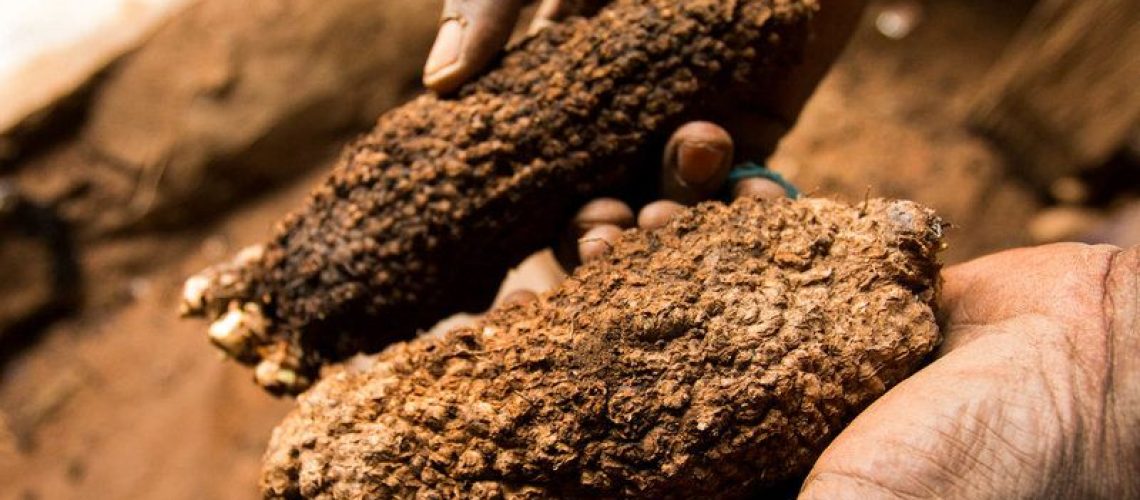
Yam is a staple food in many African homes.
From boiled yam and egg sauce to pounded yam and yam porridge, this versatile tuber appears on countless dining tables. However, like other fresh foods, yam can spoil when stored poorly or kept for too long. Knowing when your yam has gone bad can help you avoid food waste and protect your household from foodborne illness.
Unfortunately, not every spoiled yam looks obviously rotten. Some develop hidden soft spots, unusual smells or internal discolouration. Others may appear normal outside but reveal serious damage when cut open. Therefore, checking your yam before cooking is an important kitchen habit.
Whether you buy a few tubers for your family or purchase yam in bulk to save money, here are seven warning signs to watch for and what to do when you notice them.
1. Your Yam Has Soft or Mushy Spots
Fresh yam is generally firm and solid when you handle it. Although its texture varies by variety, a healthy tuber should not feel unusually soft, watery or mushy.
Soft spots can develop when yam experiences bruising, excessive moisture or fungal and bacterial decay. These problems often begin in damaged areas and spread over time. If you notice one small damaged area, inspect the entire tuber carefully before deciding what to do.
What to do next: If the yam has extensive softness, watery flesh or signs of decay, discard it. Do not try to rescue a badly spoiled tuber by cutting away the soft section. If the spot is clearly caused by a fresh, dry mechanical bruise and the surrounding flesh remains firm and normal, you may remove the damaged portion generously and use the healthy remainder promptly.
2. It Has an Unpleasant or Sour Smell
Fresh, whole yam usually has a mild, earthy smell. It should not produce a strong sour, fermented, rotten or otherwise unpleasant odour.
An unusual smell may indicate microbial activity, especially when accompanied by wetness, softness or discolouration. However, the absence of a bad smell does not guarantee that yam is safe to eat.
Sometimes, a tuber can look reasonably normal but develop decay inside. That is why smell should be considered alongside other signs.
What to do next: If your yam smells rotten, sour or distinctly unpleasant, discard it. Avoid tasting it to determine whether it is safe. Also, do not assume that boiling, frying or roasting will make spoiled yam safe to eat.
3. You Notice Mould on the Skin or Inside
Mould may appear as white, green, blue, grey or black patches on a yam’s surface. It can develop when tubers are stored in damp places with poor ventilation.
Not every dark mark on yam is mould. Natural skin markings, soil stains and harmless surface imperfections may look similar. However, fuzzy growth, spreading patches or mould accompanied by soft tissue should raise concern.
The risk becomes greater when mould penetrates damaged skin or appears alongside internal decay. Some moulds can produce harmful substances, and ordinary cooking may not reliably eliminate them.
What to do next: Discard yam that has visible mould associated with softening, spreading decay or internal damage. Do not scrape mould off a badly affected tuber and cook the rest. Keep mouldy yam separate from healthy produce, then clean any storage surface it touched.
4. The Flesh Has Unusual Discolouration
When you cut open a healthy yam, its flesh is usually white, cream-coloured or another colour typical of its variety. Some varieties naturally contain purple or other pigments, so colour alone does not always indicate spoilage.
However, unexpected brown, black, grey or reddish patches may signal bruising, oxidation, internal damage or decay. A small area of discolouration does not automatically mean the entire yam is rotten, but its texture and smell matter.
For example, a freshly cut yam may darken slightly after exposure to air. This can result from natural enzymatic reactions rather than spoilage. In contrast, dark patches accompanied by sliminess, softening or an unpleasant smell are much more concerning.
What to do next: Examine the affected area and the surrounding flesh. If the change is clearly ordinary surface browning and the yam remains firm, dry and otherwise normal, it may still be suitable for cooking. If you find unexplained internal decay or several warning signs together, discard the tuber.
5. The Yam Feels Slimy or Unusually Wet
Whole yam should not have a slippery, slimy coating. Excess moisture around the tuber can encourage microbial growth, particularly when yam has been bruised or stored in a poorly ventilated environment.
After peeling or cutting yam, some moisture is normal. Nevertheless, an unusually slippery surface, sticky residue or wet flesh accompanied by a sour smell suggests possible spoilage.
This problem can occur when cut yam is left uncovered, stored at an unsuitable temperature or kept in water for too long without proper refrigeration.
What to do next: Discard yam that has become slimy or shows other clear signs of decay. Do not wash away the slime and assume the food is safe. For fresh, cut yam that remains firm and smells normal, refrigerate it promptly in a clean, covered container. Use it within a few days and follow safe food-handling practices.
6. Your Yam Has Deep Cracks, Leaking Areas or Severe Damage
Small scratches and dry surface cracks do not necessarily mean yam has spoiled. However, deep splits, leaking liquid and extensive damage can expose the flesh to contamination and accelerate deterioration.
This is particularly important when buying yam in bulk. Tubers may be knocked against one another during transport, loaded roughly or stored under heavy piles. Damage can remain hidden until you inspect each tuber carefully.
A cracked tuber also loses some of the protection provided by its skin. When moisture enters the damaged area, decay may develop more quickly.
What to do next: Inspect damaged yam immediately. If the flesh remains firm and clean, the damage is minor and there are no other warning signs, you may trim the affected area generously and cook the healthy portion promptly. Discard tubers with deep wet cracks, leaking tissue, mould or extensive internal damage.
When transporting yam, use careful handling and avoid stacking heavy loads in ways that crush the tubers.
7. Your Cooked Yam Has Changed in Smell, Texture or Appearance
Spoilage does not stop once yam has been cooked. Boiled yam, fried yam and yam porridge can become unsafe if they are left at room temperature for too long or stored incorrectly.
Warning signs include an unusual sour smell, slimy surfaces, unexpected mould and a texture that has deteriorated noticeably. However, harmful bacteria may grow without producing obvious changes in smell or appearance.
Cooked yam should not remain at room temperature for more than two hours, or one hour when the temperature exceeds 32°C. This is particularly important in hot Nigerian weather.
What to do next: Refrigerate cooked yam promptly in shallow, covered containers at 4°C or below. Eat refrigerated leftovers within three to four days, or freeze them for longer storage. Reheat leftovers thoroughly to 74°C. If cooked yam has stayed out too long, or you are unsure how it was stored, discard it rather than risking illness.
How to Store Yam Properly and Reduce Food Waste
Recognising spoiled yam is useful, but preventing spoilage is even better. Proper storage can help households save money, especially when food prices rise or families purchase tubers in bulk.
First, choose firm, undamaged yam when shopping. Avoid tubers with wet patches, extensive cracks, mould or obvious decay. Next, store whole yam in a cool, dry, dark and well-ventilated place. Keep it away from standing water, damp walls and direct sunlight.
Do not wash whole yam before storage because added moisture can encourage deterioration. Instead, remove loose soil gently and inspect the tubers regularly. Arrange them carefully so air can circulate, and avoid piling them so heavily that the bottom layer becomes crushed.
For cut yam, refrigerate it promptly in a clean, covered container. You can also freeze peeled pieces for future meals. Blanching before freezing may help preserve quality, depending on how you plan to cook them.
If you buy yam through a family food-sharing arrangement, cooperative purchase or community bulk-buying group, inspect every tuber when the delivery arrives. Separate damaged pieces from healthy ones and agree on proper storage before dividing the supply.
Final Thoughts
Knowing the signs of spoiled yam helps you make safer decisions in the kitchen. Soft or mushy flesh, foul smells, suspicious mould, unusual discolouration, sliminess, severe damage and changes in cooked yam can all indicate trouble.
Still, no single inspection method can guarantee food safety. When several warning signs appear together, or you have serious doubts about a tuber’s condition, the safest choice is to discard it.
Most importantly, do not let the desire to avoid waste push you into eating food that may be unsafe. Buy carefully, store yam properly and inspect your supply regularly. With these simple habits, you can protect your family, reduce unnecessary food losses and get more value from every tuber you bring home.
