

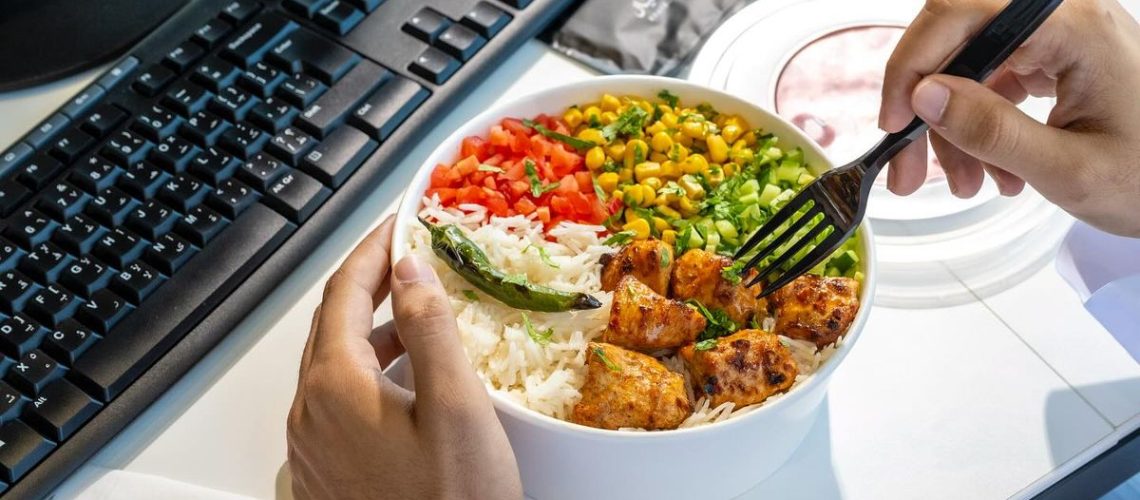
Starting a food delivery business in Nigeria can be a profitable opportunity for entrepreneurs who understand convenience, customer service and local food preferences.
Many workers, students, busy parents and business owners want fresh meals delivered to their homes, offices or other locations. With the right strategy, you can turn this demand into a sustainable business without investing heavily in a restaurant.
However, success requires more than delivering food. You need reliable suppliers, efficient transportation, proper pricing and a clear plan for attracting customers. Here is how to start a food delivery business in Nigeria.
1. Choose Your Food Delivery Business Model
First, decide how your business will operate. You can partner with existing restaurants and deliver their meals to customers. This model reduces the cost of preparing food because your partners handle cooking while you focus on orders and transportation.
Alternatively, you can prepare meals yourself or work with home cooks who supply food for delivery. Another option is to specialise in office lunches, healthy meals, snacks or traditional Nigerian dishes.
Choose a model that matches your budget, experience and target market. Starting with a specific niche can also help you stand out from competitors.
2. Research Your Target Market
Before investing money, understand the customers you want to serve. Consider the needs of workers in Lagos business districts, students around university campuses or families in busy residential neighbourhoods.
Research the meals people frequently order, their preferred delivery times and how much they are willing to pay. Speak with potential customers, visit local restaurants and observe existing delivery services.
This research will help you identify gaps in the market. For example, you might discover that nearby offices need affordable lunch packages delivered consistently before their break ends.
3. Create a Business Plan and Set Your Budget
A simple business plan will guide your decisions and help you manage expenses. Estimate your startup costs, including transportation, packaging, marketing, communication, registration and delivery equipment.
You do not necessarily need to purchase a motorcycle immediately. You could begin with a bicycle, use public transportation where practical or partner with independent dispatch riders.
Also, calculate your operating expenses. Fuel, rider payments, packaging, mobile data and unexpected delays can reduce your profits if you ignore them.
Set realistic sales targets and determine how much you must earn from each order to cover your costs.
4. Register Your Business and Meet Food Safety Requirements
Choose a suitable business name and consider registering with the Corporate Affairs Commission (CAC). Confirm the current registration requirements and any applicable local permits before launching.
If your business prepares, stores or repackages food, investigate the food safety, hygiene and premises requirements applicable in your state. Depending on your activities and location, additional approvals may be necessary.
Maintain clean food containers, use appropriate packaging and ensure meals remain at safe temperatures during transportation. If you partner with restaurants, work with reputable businesses that follow proper food handling practices.
5. Build Relationships With Restaurants and Suppliers
If you are not preparing meals yourself, identify restaurants, caterers and home-based food businesses that can supply consistent quality.
Discuss menu prices, preparation times, packaging standards, payment arrangements and how you will handle cancelled orders. Agree on responsibilities when a meal arrives late, spills or differs from what the customer ordered.
Start with a manageable number of partners. Reliable suppliers are more valuable than a long list of restaurants that frequently disappoint customers.
6. Choose Your Delivery System
You can receive orders through WhatsApp Business, telephone calls, social media or a simple website. Begin with tools you can manage comfortably, then upgrade as demand grows.
Record each customer’s name, location, order details, payment status and delivery time. Share clear delivery fees before customers confirm their orders.
Organise deliveries by location to reduce unnecessary journeys. In cities with heavy traffic, grouping nearby orders and allowing realistic delivery windows can help you save time and control costs.
7. Price Your Services for Profit
Your pricing should cover transportation, labour, packaging where applicable, payment charges and other operating expenses. You can charge a fixed delivery fee within selected zones or calculate fees according to distance.
For example, if a delivery costs ₦1,200 to complete, charging ₦1,000 creates a loss before other expenses. Review your actual costs and set a fee that supports your business.
You can also negotiate bulk delivery arrangements with offices and restaurants. Regular contracts may provide more predictable income than relying entirely on individual orders.
8. Promote Your Business and Deliver Excellent Service
Create social media pages showing your service areas, delivery process, partner restaurants and available meals. Share your menu on WhatsApp and encourage satisfied customers to recommend your business.
Offer introductory promotions carefully, ensuring discounts do not eliminate your profit. You can also approach offices, salons, shops and small businesses that may need regular meal deliveries.
Most importantly, communicate honestly. Notify customers about delays, confirm successful deliveries and resolve complaints promptly. Consistency builds trust and encourages repeat orders.
Conclusion
Starting a food delivery business in Nigeria does not require a large restaurant or an expensive fleet of vehicles. You can begin in one neighbourhood, partner with a few reliable food vendors and manage orders through simple digital tools.
Focus on understanding your customers, controlling expenses, maintaining food safety and delivering on time. As your customer base grows, reinvest your earnings in better systems, additional delivery personnel and wider service coverage. With careful planning and dependable service, your food delivery business can develop into a profitable long-term venture.
