

Burnt pots and greasy cooking surfaces are common problems in many Nigerian kitchens.
Whether you are frying plantain, preparing stew or cooking jollof rice, oil splashes and stubborn food stains can quickly build up. Sometimes, even after scrubbing with soap and a sponge, the pot still looks dirty. The good news is that you do not always need expensive cleaning products to restore your cookware and kitchen surfaces.
With the right techniques and a few household cleaning supplies, you can remove stubborn stains, cut through grease and keep your kitchen looking clean. However, the secret is knowing which method works for each surface and avoiding techniques that could cause damage.
How to Clean Burnt Pots With Baking Soda
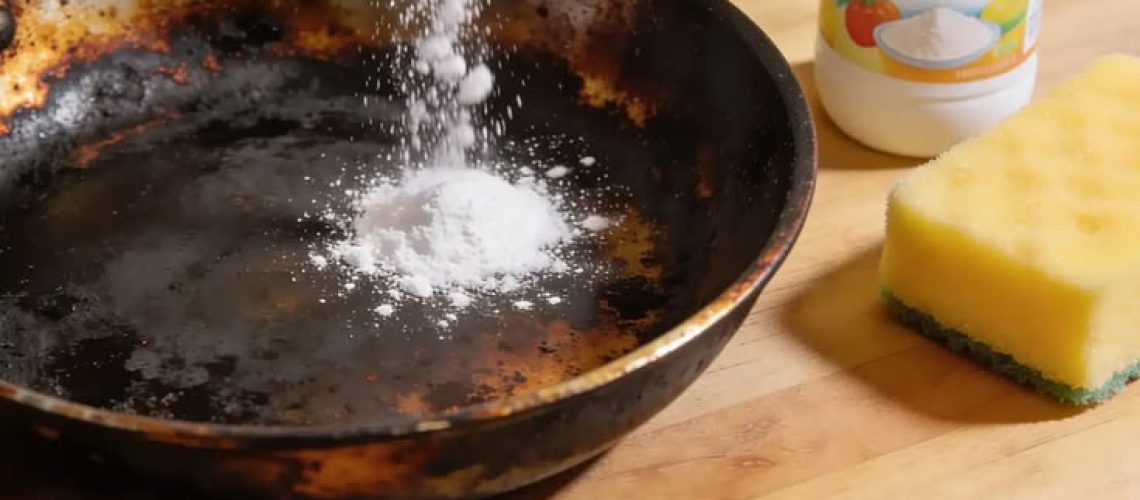
Baking soda is a useful cleaning ingredient for loosening burnt food and removing stubborn residue from suitable cookware. It works particularly well on stainless steel pots.
First, allow the pot to cool completely. Remove any loose food particles with a wooden or silicone spatula. Add enough water to cover the burnt area, then stir in one or two tablespoons of baking soda.
Bring the water to a gentle simmer for several minutes. Turn off the heat and allow the pot to cool before gently loosening the remaining residue with a non-abrasive sponge.
For stubborn stains, make a paste using baking soda and a little water. Apply it to the affected area, leave it for 15 to 20 minutes, and scrub gently.
Avoid using this method on aluminium cookware without checking the manufacturer’s guidance, as alkaline cleaners may discolour or damage the metal.
Use Vinegar to Loosen Stubborn Burnt Food
White vinegar can help loosen mineral deposits and some stubborn food residue. It is particularly useful when burnt food has formed a hard layer at the bottom of a suitable stainless steel pot.
Pour enough water into the pot to cover the affected area, then add a small amount of white vinegar. Bring the mixture to a gentle simmer for a few minutes. Allow it to cool, empty the pot and wash it with dishwashing liquid.
If some residue remains, repeat the process or use a soft sponge to remove it.
Never mix vinegar with bleach or other cleaning products. Such combinations can release dangerous gases. Also, avoid prolonged exposure of cast iron and certain other metals to acidic solutions because they may damage the surface.
How to Remove Grease From Cooking Surfaces
Grease often collects around gas cookers, kitchen tiles, extractor hoods and countertops. When left for too long, it attracts dust and becomes more difficult to remove.
Start by turning off the cooker and allowing all surfaces to cool. Remove loose crumbs and food particles with a dry cloth or paper towel.
Next, mix warm water with a small amount of dishwashing liquid. Dip a soft sponge into the solution, squeeze out excess water and wipe the greasy surface.
For stubborn grease, allow the soapy solution to sit briefly before wiping again. Rinse with a clean, damp cloth and dry the surface with a clean towel.
Avoid soaking electrical controls, cooker igniters or appliance openings. Use the manufacturer’s recommended cleaning method for these areas.
Clean Gas Cooker Burners Carefully
Food spills and grease can collect around gas burners, affecting their appearance and sometimes interfering with normal operation.
Switch off the gas supply and ensure the cooker is completely cool before cleaning. Remove detachable burner caps and supports according to the manufacturer’s instructions.
Wash compatible parts in warm, soapy water and use a soft brush to remove residue. Rinse and dry every component thoroughly before reinstalling it.
Do not pour water directly into burner openings or push metal objects into gas outlets. If a burner remains blocked or the flame behaves unusually after cleaning, stop using it and contact a qualified technician.
Remove Grease From Kitchen Tiles and Backsplashes
Tiles behind cooking areas often accumulate oily splashes, especially when frying or preparing tomato-based sauces.
Mix warm water with dishwashing liquid and wipe the tiles using a soft sponge or microfibre cloth. Pay attention to corners and the areas surrounding the cooker, where grease tends to collect.
For stubborn deposits, repeat the cleaning process rather than immediately using an abrasive scrubber. Harsh tools can scratch glossy tiles, damage protective coatings or discolour grout.
Wipe the area with clean water and dry it to prevent streaks.
Prevent Burnt Pots and Greasy Surfaces
Regular maintenance makes kitchen cleaning much easier. Wash pots soon after cooking, once they have cooled sufficiently. Avoid leaving burnt food to harden overnight.
When frying, use a suitable splatter guard to reduce oil droplets around the cooker. Wipe fresh spills after the cooking area has cooled, rather than allowing grease to accumulate over several days.
Keep a small supply of dishwashing liquid, soft sponges, microfibre cloths and suitable cleaning brushes in an accessible place. These basic supplies are often enough for routine kitchen maintenance.
Conclusion
Cleaning burnt pots and greasy cooking surfaces does not have to involve endless scrubbing or costly products. Baking soda can help loosen burnt residue from suitable cookware, while white vinegar is useful for certain stubborn deposits. Warm water and dishwashing liquid remain excellent choices for everyday grease removal.
Always match your cleaning method to the material you are treating. Avoid abrasive tools on delicate surfaces, never mix cleaning chemicals, and allow cookware and appliances to cool before cleaning them.
Most importantly, develop a simple cleaning routine. Removing food spills and grease regularly keeps your kitchen more hygienic, protects your cookware and makes preparing meals a much more pleasant experience.
