

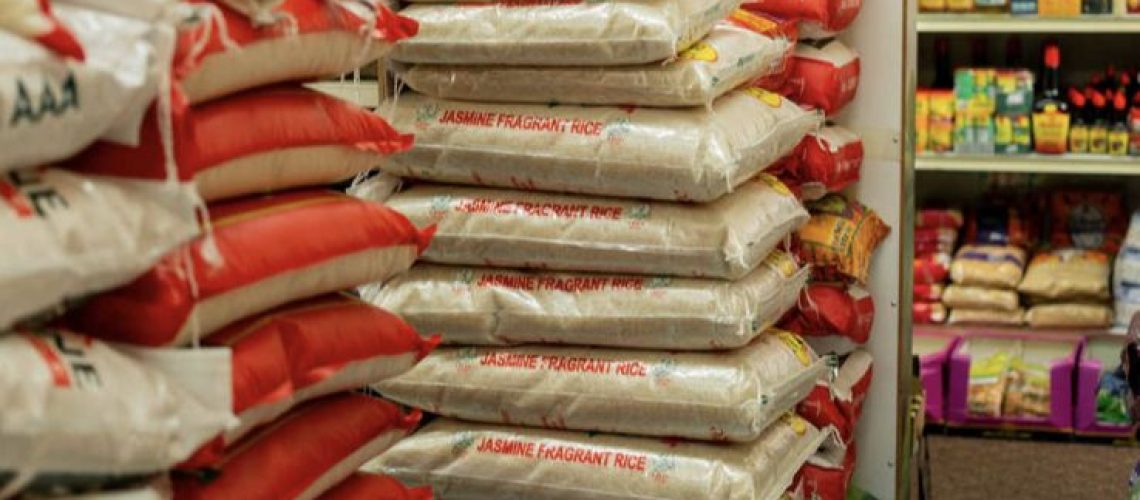
A bulk food order in Lagos can help households, restaurants, churches, associations and neighbourhood groups reduce the cost of buying foodstuff by combining demand, purchasing larger quantities and sharing the goods.
The actual saving depends on the items, current market prices, order size, transport, storage and how fairly the cost is divided among participants.
Group buying is not simply buying the biggest bag available. It works when the group chooses food it will use, compares the total cost with ordinary retail purchases and agrees on how payment, delivery and distribution will be handled.
What can you buy through a bulk food order?
A group food order may include staple ingredients and other food items used regularly by Nigerian households and food businesses. Depending on the supplier and current availability, a basket may include:
- Rice, beans and garri.
- Yam and plantain.
- Onions and other suitable vegetables.
- Selected meat or other protein products.
- Foodstuff for restaurants, caterers, churches and community events.
The exact items, grades, quantities and prices vary. Confirm the current list before collecting money from a group or promising a particular delivery date.
Easer Lifestyle’s Bulk Food Sharing service is designed around shared purchasing for households, vendors and communities. Its published service information describes a network of farmers and bulk-produce sourcing. Ask Easer to confirm current items, order sizes, delivery arrangements and the final price before committing.
How group buying can lower your foodstuff bill
1. Combine several smaller orders
Imagine that a church, family group or neighbourhood association needs rice, beans and other staples for the month. Instead of every member purchasing separately, the group can collect confirmed requirements and request a consolidated quotation.
A supplier may offer a more attractive unit price for a larger order, although this is not guaranteed. The group should compare the quoted cost with the price of buying the same quality and quantity separately.
2. Compare the full cost, not just the market price
A bulk price can look attractive until transport, packaging, handling and distribution are added. Calculate the full cost before deciding.
For example, if a group buys a large quantity of rice, include the purchase price, delivery charges, sacks or containers if applicable, and the cost of moving individual portions to members. Compare this total with the cost of buying equivalent quantities from a regular supplier.
Do not compare a premium grade with a lower grade and call the difference a saving. Check the product description, quality, weight and condition.
3. Reduce repeated trips and small purchases
Group buying can reduce the time members spend travelling to markets, negotiating separately and arranging transport. This can be particularly useful for busy families, restaurants and community organisations.
However, the benefit depends on the arrangements. If the collection point is difficult to reach or the group must make multiple trips to distribute goods, some of the time and cost savings may disappear.
4. Plan around what people actually consume
A discount is not a saving if food spoils or sits unused. Before placing an order, estimate how much the group can reasonably use and whether it has enough safe storage.
Rice and beans may suit longer-term storage when properly dried and protected. Fresh produce, meat and other perishable items require more careful handling and suitable storage conditions.
What is included in a bulk food order?
Before paying, ask the supplier for a written quotation that identifies the items and explains the order process.
| Item to confirm | What to ask |
|---|---|
| Product list | Which food items are available now? |
| Quantity | What weight or unit will each participant receive? |
| Quality | What grade, variety or specification is being supplied? |
| Price | Is the price per bag, kilogram, bunch, crate or another unit? |
| Transport | Is delivery included or charged separately? |
| Distribution | Will the supplier deliver to one point or multiple addresses? |
| Payment | What deposit is required, and when is the balance due? |
| Substitutions | What happens if an item becomes unavailable? |
| Returns and complaints | How are shortages, damage or quality problems handled? |
The supplier should make it clear whether the quoted amount covers only foodstuff or also delivery and distribution. If your group needs separate deliveries to different homes, request the additional charges before collecting payments.
What is the price range for bulk food orders in Lagos?
There is no single price range that accurately covers every bulk food order. A small household basket of staples will cost less than a large order for a restaurant, event or community. Prices also change with quantity, quality, season and market conditions.
To make a fair comparison, request two totals:
- Bulk order total: the food, handling, delivery and distribution costs.
- Separate-purchase total: the cost of buying the same products and quantities individually, including transport.
The difference between the two totals shows whether the proposed group order is genuinely cheaper. If the bulk order costs more but saves substantial time, the group can still decide that the convenience is worthwhile.
A practical example: how a group can organise its order
Suppose a group of 20 households wants to purchase rice, beans and garri for the month. Rather than asking every household to pay an estimated amount immediately, the organiser can follow a simple process.
Step 1: Collect quantities. Ask each household how much of each item it needs. Give members a deadline to confirm.
Step 2: Request a written quotation. Send the supplier the combined quantities and ask for unit prices, product specifications, delivery charges and the expected delivery date.
Step 3: Compare the total. Check the quote against the current cost of buying equivalent items separately.
Step 4: Agree on payment and distribution. Share the cost breakdown with all members before collecting money. Keep a record of payments and the quantity allocated to each household.
Step 5: Inspect the delivery. Check the quantities, packaging and visible condition of the goods. Record shortages or damage immediately and follow the supplier’s complaint procedure.
Step 6: Review the result. Compare the final cost with the group’s original alternative. Use the results to improve the next order.
This example is a suggested process, not a claim that a particular group has saved a specific amount.
Is group buying right for your household or business?
Bulk food buying can work well if you regularly use the same staples, can store them safely and have a reliable way to divide the order. Restaurants and caterers may benefit from more predictable supply planning, while churches and associations can organise food purchases for events or community support.
It may be less suitable if you have very little storage, need small quantities of highly perishable food or cannot coordinate payment among group members.
Before joining a group, agree on who will handle the money, who will inspect the delivery and how complaints will be resolved. Clear responsibilities reduce disputes and protect relationships.
How to place a bulk food order with Easer Lifestyle
Start by reviewing the Easer Bulk Food Sharing service. Prepare your item list, quantities, delivery location and preferred date, then ask for a current quotation. Confirm the total price and payment terms before paying.
If you want to explore a shared neighbourhood purchase through Neiburr, the platform’s planned Crowd Buy feature is intended to help people coordinate bulk buying with neighbours.
Ready to plan your next foodstuff order? Review Easer’s Bulk Food Sharing service, confirm current availability and pricing, and book your slot once the order details have been agreed.
Frequently asked questions
1. What is bulk food buying?
Bulk food buying is purchasing larger quantities of food, often by combining the needs of several households or a business. The group shares the cost and divides the products according to an agreed plan.
2. Is bulk food buying always cheaper in Lagos?
No. Savings depend on the supplier’s price, product quality, quantity, delivery and distribution costs. Compare the full cost with the price of buying equivalent items separately.
3. What foodstuff can a group buy in bulk?
Depending on the supplier, orders may include rice, beans, garri, yam, onions, plantain and selected proteins. Confirm the available list, quantity and quality before collecting money.
4. How can a group avoid disputes over a bulk food order?
Publish the item list, cost breakdown, payment deadline and allocation method before the order is placed. Keep payment records, inspect the delivery and agree in advance on how shortages or damaged goods will be handled.
5. How do I order bulk food through Easer Lifestyle?
Review the Bulk Food Sharing service, request current item availability and a written quotation, and confirm delivery and payment terms. You can then use the Book Your Slot page to proceed with the booking process.
