

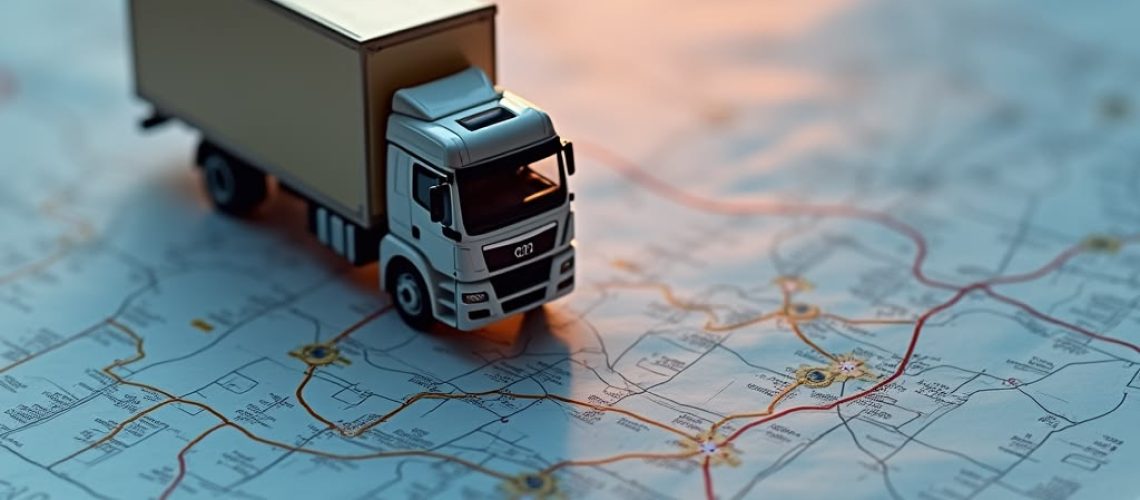
Inter-state delivery in Nigeria involves transporting parcels, documents, business orders or other goods from one state to another through a courier company, logistics operator or transport service.
The best option depends on the parcel’s size, destination, urgency, value and handling requirements. Before booking, confirm the total price, estimated delivery time, collection method, tracking arrangements and what happens if a parcel is delayed or damaged.
For individuals, reliable delivery can make it easier to send documents or gifts to family and friends. For businesses, it helps connect customers across cities and expand beyond a local market.
How inter-state delivery works
Most services follow a similar process. You provide the collection and delivery details, describe the parcel and select a suitable service. The provider then confirms the price, delivery estimate and any conditions that apply.
Depending on the company, you may be able to arrange doorstep collection, drop the parcel at a branch or collection point, or use a transport terminal. The receiver may collect the item from a designated location or receive it at their address.
Do not assume every operator provides door-to-door delivery. Ask whether the quoted price includes pickup, final delivery, packaging, insurance or any special handling.
What affects delivery time and cost?
Distance and route: A parcel travelling between major commercial centres may follow a different route from one going to a smaller town. The distance alone does not determine the final delivery time.
Parcel size and weight: Large, heavy or awkward items may cost more to transport. Some providers calculate charges by actual weight, dimensions or whichever measure their tariff specifies.
Urgency: Express services may cost more than standard delivery. Confirm what the provider guarantees, if anything, rather than assuming that a higher price always means a fixed arrival time.
Access and location: Remote addresses, limited access or additional handling requirements may affect the service and cost.
Seasonal demand and disruptions: Public holidays, high-volume shopping periods, road conditions and other operational disruptions can affect delivery schedules.
Special handling: Fragile, valuable, temperature-sensitive or regulated goods may require additional packaging, documentation or a specialised service.
Ask for a full quote before paying. A low advertised rate may exclude collection, packaging, insurance or delivery to the receiver’s door.
How to prepare a parcel
Pack the item according to its size, weight and fragility. Use a sturdy outer package, suitable cushioning and enough protection to prevent movement during transport. Fragile items may need stronger internal packaging and clear handling instructions, although labels alone do not guarantee special treatment.
Write the receiver’s name and phone number accurately. Include a complete delivery address with the state, city or town, neighbourhood and useful directions where necessary. Confirm the receiver’s availability and provide your own contact details in case the courier needs clarification.
For documents, use an envelope or protective document package suited to the contents. For products sold by an online business, check that packaging protects the item and presents the brand professionally.
Keep the booking receipt, waybill or tracking reference until the parcel has been delivered. Avoid writing sensitive personal information on the outside of a package unless it is genuinely required for delivery.
What is a waybill?
A waybill is a transport document or record that identifies a shipment and provides information needed to handle and deliver it. Depending on the provider, it may include a reference number, sender and receiver details, parcel description and routing information.
Check the details before the parcel leaves your hands. A misspelled name, incorrect phone number or incomplete address can cause delays or make delivery difficult.
If you are sending several parcels, confirm whether each one needs its own reference and whether the provider offers tracking. Ask how to report a lost or delayed shipment and what evidence you need to make a claim.
Choosing a delivery company
Compare providers on more than price. Look at the route they serve, delivery method, estimated timing, customer support, tracking, packaging requirements and claims procedure.
Before booking, ask:
- Is the service door-to-door or terminal-to-terminal?
- What is the total cost, including additional fees?
- What is the expected delivery window?
- Can I track the parcel?
- What items are prohibited or restricted?
- Is insurance available, and what does it cover?
- What happens if the parcel arrives damaged or goes missing?
For businesses, consistency matters. A provider that communicates clearly and handles parcels reliably may be more valuable than one offering the lowest price but frequent delivery problems.
Special care for food and sensitive goods
Food, medicine, electronics and other sensitive products may need specific handling. Do not send perishable food through a standard service unless the provider can maintain the required conditions throughout the journey.
Nigeria’s food-safety guidance emphasises hygienic transport and protecting food from contamination. Where refrigeration is required, the cold chain must be maintained, with suitable temperature monitoring. Check the applicable requirements and use a provider equipped for the particular product.
Do not pack chemicals or other hazardous items with food or ordinary parcels. Confirm the carrier’s prohibited-goods policy before booking.
What to do if your parcel is delayed
First, use the tracking reference or contact the service provider through its official customer-support channel. Confirm the last recorded movement, the current status and whether the delivery estimate has changed.
If the parcel is time-sensitive, explain the deadline and ask what options are available. Keep copies of receipts, booking confirmations and messages. If the parcel is missing or damaged, follow the provider’s formal claims process and submit the required evidence within the stated timeframe.
For online sellers, update the customer promptly rather than waiting for them to complain. Clear communication cannot eliminate the delay, but it can help preserve trust.
Make inter-state delivery easier
Inter-state delivery can help Nigerian households and businesses move goods across a large and diverse market. The best results come from accurate addresses, suitable packaging, realistic delivery expectations and a provider whose service matches the parcel.
Before paying, confirm the full cost, route, delivery method and claims policy. Keep your waybill or tracking reference, and use specialist services for items that require controlled temperatures or other careful handling.
For businesses, treat delivery as part of the customer experience. Reliable communication and careful packaging can encourage repeat orders and help customers feel confident buying from another state.
Frequently Asked Questions
1. How long does inter-state delivery take in Nigeria?
It depends on the route, provider, service level, collection point and operational conditions. Ask for the current estimated delivery window for your specific parcel rather than relying on a general number of days.
2. How much does inter-state delivery cost?
The cost varies by parcel weight, dimensions, destination, urgency and delivery method. Request a full quote that includes pickup, packaging or other applicable fees.
3. Do I need a waybill to send a parcel?
Most organised transport services issue a booking record, waybill or tracking reference. Keep it as proof of shipment and use it when asking for updates or making a claim.
4. Can I send food to another state?
Some foods can be transported, but perishable items may require temperature-controlled handling. Confirm that the provider can maintain the required conditions before sending them.
5. What should I do if my parcel is missing?
Contact the provider using its official channel, supply the booking reference and follow its claims procedure. Keep your receipt and all relevant communication.
