

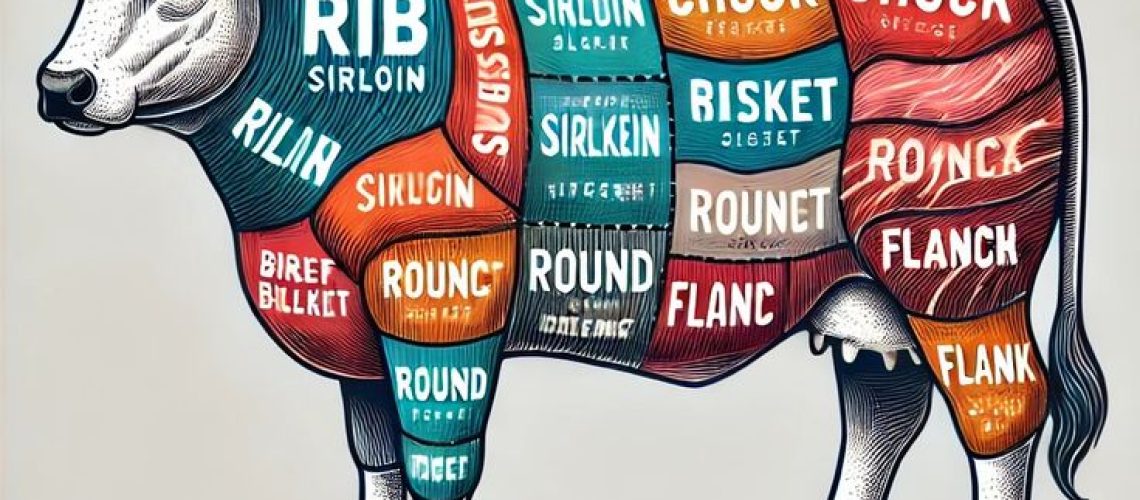
Choosing the right cow meat cut can make a noticeable difference to a Nigerian dish.
Tougher, collagen-rich cuts such as shank and some shoulder pieces often work well in soups and long-cooked stews, while tender cuts can suit quick frying, grilling and suya. The best choice depends on the cooking method, how much time you have and whether you prefer lean meat, rich flavour or a softer texture.
Names vary between Nigerian markets and butchers, so it helps to describe the part you want and explain how you intend to cook it.
1. Beef shank: for soups and slow cooking
Shank comes from the lower leg and contains muscle, connective tissue and often bone. Because the leg does a lot of work, the meat can be tough if cooked quickly. However, slow cooking can soften it and produce a rich broth.
It can work well in pepper soup, hearty stews and dishes that benefit from a full-bodied stock. Ask the butcher to cut it into pieces suitable for your pot.
Cooking tip: Allow enough time for the meat to soften. If you remove it from the heat too early, it may remain chewy even when the broth tastes good.
2. Chuck or shoulder: for stew and everyday cooking
Shoulder and chuck-style cuts come from hardworking muscles. Depending on the exact cut and how it is trimmed, they can contain a mixture of lean meat, connective tissue and fat.
These pieces can be useful for Nigerian tomato stew, meat sauces and slow-cooked dishes. They are often a practical option when you need meat that can cook with seasoning and sauce without relying on the most tender cuts.
Cooking tip: Cut the meat into even pieces so they cook at a similar rate. If the pieces remain firm, give them more time rather than turning up the heat so aggressively that the sauce burns.
3. Brisket: for rich stews and slow cooking
Brisket comes from the chest area and can contain connective tissue and fat. It is generally better suited to slower cooking than to a very quick fry.
It can add flavour to stews, braised beef and dishes where the meat has time to soften. Ask your butcher about the amount of fat and connective tissue in the piece, as this varies.
Cooking tip: Trim excess fat according to your preference, but do not assume that removing every trace of fat will improve the result. Some fat contributes flavour and texture.
4. Rib cuts: for grilling and rich flavour
Rib cuts can contain meat, fat and bone in different proportions. Some are suitable for grilling or roasting, while others benefit from slower cooking.
In Nigeria, the exact names used by a butcher may differ from formal butchery terms. If you want ribs for grilling, explain whether you need bone-in pieces, how thick they should be and how you plan to cook them.
Cooking tip: Use a method appropriate to the thickness and tenderness of the cut. A thin piece can cook quickly, while a thicker or tougher piece may need more time.
5. Sirloin and other tender cuts: for quick cooking
Tender cuts from areas that do less muscular work can be suitable for frying, grilling or quick cooking. Sirloin-style cuts, where available, are examples of beef that can work well when you want a relatively tender result without prolonged simmering.
These cuts may cost more than some tougher options, depending on the market and supplier. They are useful when cooking time is limited, but they are not always necessary for everyday Nigerian stews.
Cooking tip: Avoid overcooking tender beef. Cut it consistently and use a hot pan or grill appropriate to the recipe.
6. Fillet or tenderloin: for very tender dishes
Tenderloin is known for its tenderness and relatively low connective-tissue content. It is often used for quick frying, medallions or other dishes where the texture of the meat is central.
It is not usually the most economical choice for a large pot of stew, especially when other cuts can provide the flavour and texture you want at a lower cost.
Cooking tip: Use it in recipes that benefit from tenderness and shorter cooking times. Ask the butcher to confirm the cut, because local naming can vary.
7. Flank and other lean, fibrous cuts: for sliced beef
Flank-style cuts come from the abdominal area and can be relatively lean and fibrous. They can work well when sliced thinly across the grain for stir-fries, quick frying or certain grilled dishes.
Because the fibres can be prominent, cutting technique matters. Thick pieces cooked quickly may become chewy.
Cooking tip: Slice across the direction of the muscle fibres and avoid cooking thin strips for longer than the recipe requires.
Which cut should you buy for popular Nigerian dishes?
| Dish | Suitable cuts to ask about | Why they can work |
|---|---|---|
| Tomato beef stew | Shoulder, chuck-style cuts, shank | Stand up to simmering and develop flavour |
| Pepper soup | Shank, bone-in cuts, suitable stew beef | Bones and connective tissue can contribute to a rich broth |
| Egusi or other hearty soups | Shank, shoulder or other slow-cooking cuts | Become tender with sufficient cooking |
| Suya | Tender, lean cuts or suitably prepared beef | Thin pieces can cook quickly over high heat |
| Grilled beef | Tender cuts, suitable rib cuts | Texture and thickness can suit grilling |
| Quick beef stir-fry | Tenderloin, sirloin or thinly sliced flank | Faster cooking helps prevent toughness |
| Beef sauce | Shoulder cut into small pieces or tender beef | Choice depends on whether the sauce cooks slowly or quickly |
This table is a guide, not a strict rule. The butcher’s cut, the age of the animal, trimming and preparation all influence the result.
How to buy good-quality beef
Buy from a clean, reputable butcher or market seller. Ask when the meat was cut, how it has been stored and whether it is suitable for your intended recipe. Fresh-looking colour alone cannot guarantee safety, so consider the overall condition and hygiene of the selling environment.
Choose pieces with a suitable balance of meat, fat and bone for your budget and dish. If you want lean beef, ask for it to be trimmed. If you need a rich soup stock, you may prefer some bone-in pieces.
Keep raw beef separate from ready-to-eat food during shopping and transport. Refrigerate it promptly, or freeze it if you do not plan to use it within the recommended refrigerated storage period.
How to save money when buying beef
Do not assume the most expensive cut is always the best. For a long-cooked stew, a tougher cut can deliver a satisfying result when given enough time. Tender cuts may be more useful when you need to cook quickly.
Compare the price per kilogram, but also consider how much usable meat you will get after trimming bone and excess fat. Buying a larger quantity only saves money if you can store it safely and use it before quality declines.
If your household shares bulk food purchases, organise the portions before buying. Easer’s Bulk Food Share service is relevant to planned group purchasing, but meat must still be transported, portioned and stored at safe temperatures.
Choose the cut for the cooking method
The easiest way to choose beef is to tell the butcher what you are cooking. For a slow pot of stew, ask for suitable braising or stew meat. For suya or quick grilling, request tender pieces that can be sliced appropriately. For pepper soup, explain whether you want lean chunks, bone-in pieces or a combination.
Once you understand the relationship between the cut and the cooking method, you can shop with more confidence, reduce waste and get better results without automatically paying for the most expensive beef.
Frequently Asked Questions
1. Which part of cow meat is best for Nigerian stew?
Shoulder, chuck-style cuts and suitable shank pieces can work well in stew, particularly when simmered until tender. The best option depends on the texture and cooking time you prefer.
2. Which beef cut is best for pepper soup?
Shank and other suitable bone-in cuts can provide flavourful broth. Ask the butcher for pieces that suit soup-making and allow enough time for them to cook thoroughly.
3. Which part of beef is best for suya?
Tender cuts that can be sliced thinly are often suitable. The quality of the result also depends on slicing, seasoning, heat and cooking time.
4. Is lean beef always healthier?
Lean beef contains less fat, but overall nutrition depends on the portion size, preparation and the rest of your diet. Choose a cut that suits your dietary needs and cooking method.
5. How should I store beef after buying it?
Keep raw beef refrigerated or frozen under appropriate conditions, separate from ready-to-eat foods. Use clean containers, avoid leaving it at room temperature for extended periods and follow recognised food-safety guidance.
