

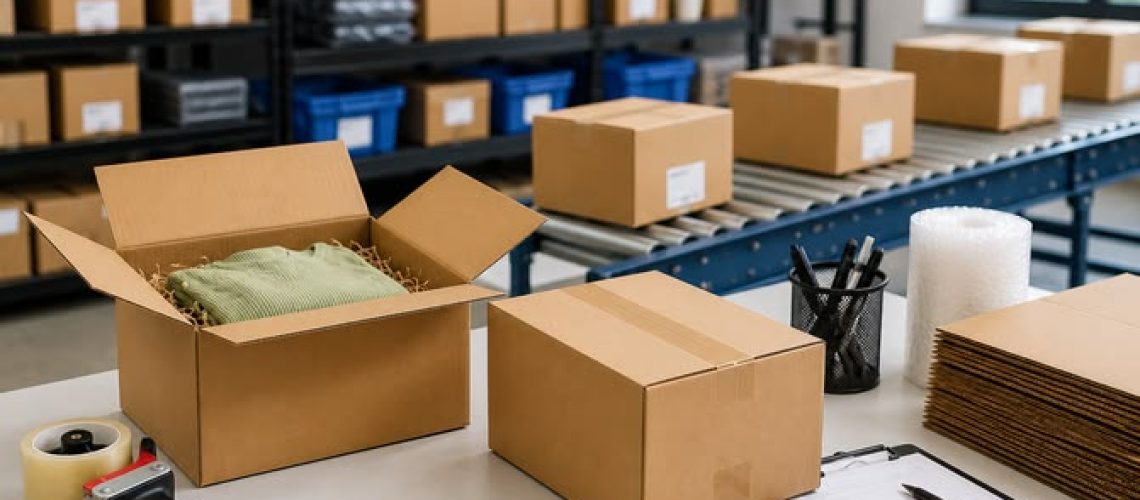
E-commerce fulfilment in Nigeria helps Instagram and WhatsApp sellers store products, process orders, package purchases and coordinate deliveries without handling every task themselves.
Instead of managing stock, packaging and dispatch alone, you can outsource some or all of these operations to a logistics partner.
For small online businesses, this can create more time for marketing, customer service and product development. It can also make order processing easier during busy periods, especially when sales increase around Christmas, Valentine’s Day, Black Friday and other shopping seasons.
However, choosing a fulfilment partner requires more than comparing delivery fees. You need to understand what the service includes, how inventory is managed and what happens when a customer rejects an order.
What is e-commerce fulfilment?
E-commerce fulfilment covers the activities that take place after a customer places an order. These activities begin with receiving or storing products and continue through picking, packaging, dispatch and, where agreed, returns management.
For example, imagine that you sell skincare products through Instagram. A customer orders two products through WhatsApp and makes payment. Rather than travelling to your storage location, checking the items, packaging them and searching for a dispatch rider, your fulfilment partner can manage those operational steps.
You remain responsible for your brand, product selection and customer relationships. Meanwhile, the fulfilment provider handles the agreed logistics activities.
What does an e-commerce fulfilment service include?
The exact package depends on your provider and contract. Nevertheless, a typical arrangement may cover the following:
1. Inventory receiving: The provider receives your products and records the quantities delivered to its facility.
2. Storage and stock tracking: Your goods remain in an agreed storage location. A good system should help you monitor available stock and identify low quantities.
3. Order processing: Once an order arrives, the fulfilment team checks the order details and prepares the required items.
4. Picking and packing: Staff select the correct products, package them and prepare them for dispatch.
5. Dispatch coordination: The provider arranges delivery through its logistics network or an approved delivery partner.
6. Returns management: Depending on the agreement, the provider may receive returned goods, inspect them and update the stock record.
7. Reporting: You should receive information about stock levels, processed orders, pending deliveries and returns.
Not every provider includes all these services in one package. Therefore, request a written breakdown before signing an agreement.
How much does e-commerce fulfilment cost in Nigeria?
There is no single national price because fulfilment costs depend on product size, order volume, storage requirements, packaging and delivery distance.
As an initial market benchmark, basic pick-and-pack services may fall around ₦500–₦2,000 per order, while storage, packaging materials, delivery and returns may attract separate charges. Published Nigerian provider rates show that some basic pick-and-pack services cost less, but those prices may exclude other parts of the fulfilment process.
Treat this range as a comparison guide, not an Easer Lifestyle quotation. Ask for a tailored price based on your actual order volume and operational needs.
| Cost component | What to confirm |
|---|---|
| Receiving | Is there a fee for receiving new stock? |
| Storage | Is it charged daily, weekly, monthly or by space used? |
| Pick and pack | Is the fee per order or per item? |
| Packaging | Are boxes, bags and branded materials included? |
| Delivery | Does the price vary by destination and parcel size? |
| Returns | Is there a separate charge for failed or returned orders? |
A low fulfilment fee may not represent the cheapest overall arrangement. Compare the complete cost of processing and delivering an order.
Why Instagram and WhatsApp sellers should consider fulfilment
You can spend more time selling. When another team handles agreed operational tasks, you can focus on product photography, content creation, promotions and customer enquiries.
You can manage growing orders. A business that starts with five orders daily may eventually receive 30 or more. Outsourcing can help you prepare for that growth without immediately hiring a full warehouse team.
You can reduce avoidable mistakes. A documented picking and packing process can help prevent incorrect products, missing items and incomplete orders.
You can organise your inventory. Stock records make it easier to know what is available, what needs replenishing and which products sell quickly.
You can improve the customer experience. Clear dispatch updates and organised delivery arrangements help customers understand what happens after payment.
What should you look for in a fulfilment partner?
Before choosing a provider, ask how it records stock, handles urgent orders and manages delivery problems. You should also establish who takes responsibility when an item goes missing or arrives damaged.
Check whether the provider can accommodate your product type. Cosmetics, clothing, electronics, food products and fragile items may require different storage and packaging arrangements.
Furthermore, ask whether you can access inventory reports and delivery updates. A fulfilment service should not leave you guessing about your own products.
Easer Lifestyle’s logistics capacity
Easer Lifestyle offers 3PL/4PL logistics services supported by a published fleet of more than 50 bikes and trucks. This provides a useful operational proof point for sellers considering a logistics partner.
The company’s homepage also features a customer testimonial praising its service on Lagos Island, including the coordination of deliveries and food-sharing arrangements. While this is a customer review rather than a formal ecommerce fulfilment case study, it provides a public example of customer feedback.
For service details, visit Easer Lifestyle’s 3PL/4PL Logistics page.
How to prepare your business for fulfilment
Start by counting your available stock and identifying your best-selling products. Next, estimate how many orders you process weekly and how much storage space you need.
Prepare product descriptions, SKU codes, packaging instructions and delivery information. Then, ask potential providers to explain their onboarding process, reporting arrangements and service-level expectations.
Finally, compare written quotations. Make sure you understand the fees before moving your inventory.
Give your online store room to grow
Running an Instagram or WhatsApp store should not mean spending every day searching for products, printing labels and coordinating dispatch. With a suitable fulfilment arrangement, you can organise these tasks and concentrate on building your customer base.
Ready to explore logistics support for your online business? Visit Easer Lifestyle’s 3PL/4PL Logistics service and contact the team to discuss your fulfilment requirements.
Frequently Asked Questions
1. What is the difference between ecommerce fulfilment and delivery?
Fulfilment covers the wider process of receiving, storing, picking and packaging orders, as well as coordinating dispatch. Delivery is the movement of the packaged order to the customer.
2. Can a small Instagram business use a fulfilment company?
Yes. Small businesses can outsource fulfilment when the cost makes sense for their order volume, storage needs and available budget. Ask about minimum monthly order requirements.
3. Does ecommerce fulfilment include packaging?
It can, but the arrangement varies. Confirm whether standard packaging, branded packaging and protective materials are included or billed separately.
4. How much does ecommerce fulfilment cost in Nigeria?
Basic pick-and-pack benchmarks can range around ₦500–₦2,000 per order, although actual prices vary. Storage, packaging, delivery and returns may cost extra. Request a written quotation.
5. Can a fulfilment company deliver orders outside Lagos?
Some providers coordinate nationwide deliveries through their logistics networks or partner carriers. Confirm the available destinations, delivery timelines and charges before onboarding.
