

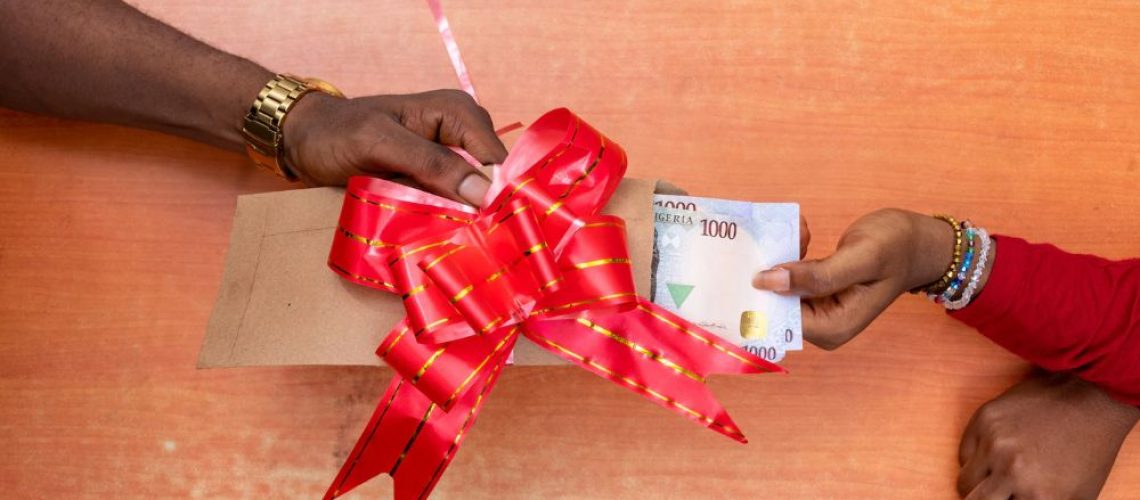
Sending money or gifts to family and friends is a thoughtful way to stay connected, especially when distance makes it difficult to show up in person.
However, a transfer can go wrong when the recipient’s details are incorrect, a delivery service is unreliable or a scammer takes advantage of the sender’s generosity. Whether you are sending money across Nigeria or arranging a gift for someone in another state, a few practical precautions can make the process safer.
The safest option depends on what you are sending. Use a regulated financial institution or licensed payment provider for money, and choose a traceable delivery service for physical gifts. Most importantly, verify the recipient’s details before paying.
Choose the Right Way to Send Money
For cash transfers, use a bank, licensed mobile-money provider or reputable payment platform. Avoid informal arrangements with strangers who promise to move money quickly or cheaply. A provider should make its fees, transaction limits and complaint process clear.
Before confirming a transfer:
- Check the recipient’s full name and account number.
- Confirm the bank or financial institution.
- Review the amount and transaction fee.
- Read the confirmation screen before authorising payment.
- Keep the transaction reference and receipt.
If you are sending money to someone you know, confirm their account details through a separate communication channel. For example, if a relative sends new bank details through WhatsApp, call them using a number you already have. This helps prevent impersonation scams and account-compromise fraud.
Never share your banking PIN, password, one-time password (OTP) or card security details with anyone claiming to help complete a transfer. A genuine bank representative should not ask you to disclose these confidential credentials.
Be Careful With Unusual Payment Requests
Scammers often create urgency. They may claim that a relative is stranded, a delivery is being held or a payment must be made immediately to avoid a penalty.
Pause when a request includes:
- Pressure to transfer money immediately.
- A new account number without a convincing explanation.
- Requests to pay a supposed release or clearance fee to a personal account.
- Links asking you to log in to your bank.
- Requests for OTPs, passwords or card details.
When a message seems suspicious, contact the person or organisation through a verified number or official website. Do not rely on the contact details contained in the suspicious message itself.
Use Traceable Delivery for Physical Gifts
Sending clothes, food items, electronics or other presents requires a different set of precautions. Choose a delivery company that provides a booking record, contact details, delivery confirmation and a way to track the parcel.
Before handing over the package, confirm:
- The recipient’s details: Write the correct name, phone number and delivery address.
- The item description: Record what is inside, especially if it is valuable or fragile.
- The delivery fee: Ask for the full charge, including possible additional fees.
- The delivery timeline: Confirm the expected collection and arrival dates.
- The proof of delivery: Find out whether the recipient must sign or provide a delivery code.
For expensive gifts, ask about insurance or compensation if the parcel is lost or damaged. Also, check the company’s rules for restricted items. Some food, liquids, batteries and fragile products may require special handling or may not be accepted.
Package Gifts Properly
A gift can arrive late or damaged when it is packed carelessly. Use a strong box, protective wrapping and enough cushioning to prevent movement. Seal the package securely, but do not cover important labels or delivery information.
For food gifts, consider how long the journey will take and whether the items need refrigeration. Perishable food should not be sent through a delivery arrangement that cannot maintain safe storage conditions.
If you are sending electronics, protect the device from impact and moisture. Keep proof of purchase and note the item’s condition before dispatch.
Protect Yourself When Sending Gifts Through Social Media
Social media can help you discover vendors, but a professional-looking page does not automatically mean a business is trustworthy.
Before paying a seller:
- Check its history and customer feedback.
- Look for independent reviews outside its own page.
- Ask for clear pictures or a video of the actual item.
- Confirm the business’s address and contact details where possible.
- Request a written order summary and delivery terms.
- Be cautious of prices that are dramatically lower than those offered by other sellers.
Avoid sending money to a personal account when the seller claims to represent an established company but cannot explain the payment arrangement. Where possible, use a payment method that provides a transaction record and a clear dispute process.
What to Do When Something Goes Wrong
If you send money to the wrong account or suspect fraud, contact your bank or payment provider immediately. Provide the transaction reference, amount, time and any relevant messages. Quick reporting may improve the chances of investigating or stopping a suspicious transaction, although recovery is not guaranteed.
For a missing or damaged parcel, contact the delivery company with your tracking number, receipt and item details. Keep all communication in writing until the complaint is resolved.
The best way to protect a gift is to plan the transfer, verify every detail and keep evidence of the transaction. A little care before sending can prevent a generous gesture from becoming an expensive problem.
Frequently Asked Questions
1. What is the safest way to send money to someone in Nigeria?
Use a regulated bank or licensed payment provider. Verify the recipient’s account details and keep the transaction receipt.
2. Should I share my OTP with someone helping me make a transfer?
No. Never disclose your OTP, PIN or banking password to another person, even if they claim to be a bank employee.
3. How can I send a gift to another state safely?
Choose a traceable delivery company, confirm the recipient’s address and phone number, package the item properly and keep the booking receipt.
4. What should I do if I transfer money to the wrong account?
Contact your bank or payment provider immediately and provide the transaction reference. Do not assume the money can automatically be reversed.
5. How can I tell whether an online gift seller is genuine?
Check independent reviews, business details, product evidence and written delivery terms. Be cautious of urgent payment demands and unusually low prices.
