

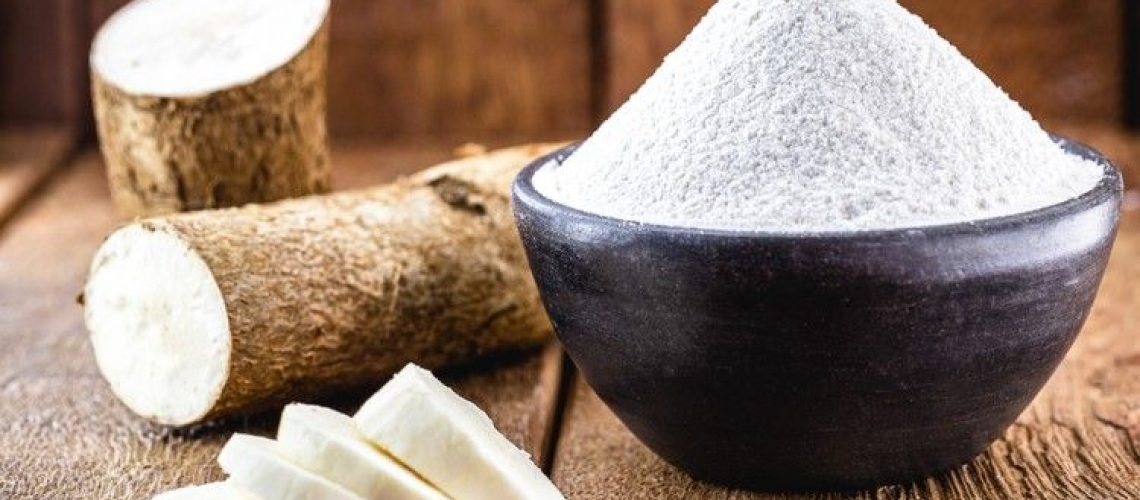
Pounded yam flour and fresh yam can both give you a satisfying plate of pounded yam, but the better buy depends on more than the price on the packet or the cost of one tuber.
You also need to consider how many people you are feeding, how much swallow you can make from each purchase, the time required, cooking fuel, storage and the texture your household prefers.
For a busy household, pounded yam flour is often worth paying extra for because it saves preparation time and reduces waste. Fresh yam, however, can offer better value when you buy good-quality tubers in bulk, have enough time to prepare them and want the taste and texture associated with traditionally pounded yam. The smartest choice is the one that gives you the portions you need at a reasonable total cost.
Pounded Yam Flour vs Fresh Yam: A Quick Comparison
| What matters | Pounded yam flour | Fresh yam |
|---|---|---|
| Preparation | Usually ready to cook with water | Requires peeling, cutting, boiling and pounding |
| Time | Generally faster | More time-consuming |
| Labour | Little physical effort | Requires more work, especially without a machine |
| Storage | Can last longer when sealed and stored properly | Whole tubers can keep for some time in suitable conditions, but cut yam deteriorates faster |
| Portion control | Easier to measure by weight | Depends on tuber size and usable flesh |
| Texture | Depends on brand, preparation and water ratio | Can provide the preferred traditional texture when prepared well |
| Waste | Low when measured correctly | Peels, damaged sections and spoilage reduce usable quantity |
| Best for | Busy households, small portions and convenience | Larger households, traditional preparation and bulk cooking |
Neither option wins every category. Your household size, cooking habits and local prices should determine the final decision.
1. Compare the Cost of the Food You Can Actually Eat
The first mistake shoppers make is comparing the price of a bag of pounded yam flour with the price of one fresh yam tuber. These are not equal measurements. A tuber has a peel, sometimes a damaged centre and other sections you may remove before cooking. Meanwhile, flour is already processed and packaged.
A more useful comparison is the cost per cooked portion.
For fresh yam, record the price you paid, weigh the tuber before peeling and then weigh the usable flesh after removing the skin and damaged sections. This gives you a clearer picture of how much edible yam your money purchased.
For flour, weigh the quantity you intend to cook. Follow the preparation instructions and record how many portions the cooked result serves in your home. Repeat the exercise with the fresh yam.
You can then calculate:
Cost per portion = Total ingredient cost ÷ Number of portions produced.
For example, if a quantity of flour costs ₦5,000 and produces five portions, the flour costs ₦1,000 per portion. If fresh yam costing ₦6,000 produces eight portions, its ingredient cost is ₦750 per portion. However, this comparison is not complete until you account for fuel, transport, labour and waste.
The numbers will change depending on the yam variety, tuber size, flour brand, serving size and local market. Therefore, use prices from your own shopping trip rather than assuming that a national average reflects what you will pay in Lagos, Ibadan, Enugu or Abuja.
2. Fresh Yam Has Hidden Costs
Fresh yam may appear cheaper when you see a good-sized tuber at the market. However, the purchase price is only the beginning.
First, consider the usable quantity. A large tuber can contain bruised or rotten sections. You may also remove more flesh than expected while peeling. If the yam has been stored poorly, some sections may become soft or unsuitable for cooking.
Next, consider the work involved. You need to wash, peel, cut and boil the yam before pounding it. If you use a traditional mortar and pestle, someone must spend time and energy pounding it until the texture becomes smooth. A pounding machine can reduce the effort, but it may introduce another cost.
There is also the cost of cooking fuel. Fresh yam needs to boil before pounding, while flour preparation generally involves a shorter cooking process. The actual difference depends on your pot, quantity, heat source and cooking method.
These costs matter particularly when you prepare pounded yam several times a week. A small saving on ingredients may disappear when you add transport, fuel, preparation time and the value of your labour.
3. Pounded Yam Flour Saves Time and Reduces Preparation Work
Convenience is the biggest advantage of pounded yam flour. You do not need to peel a tuber, remove bad sections or wait for chunks of yam to become soft before pounding.
Most packaged flour requires you to boil water, add the flour gradually and stir until it forms a smooth, firm dough. The exact method differs by brand, so read the instructions instead of assuming that every product needs the same quantity of water.
This option is particularly useful for:
- People who work long hours and prepare dinner after returning home.
- Small households that do not need to cook an entire tuber.
- Older adults or anyone who finds traditional pounding physically demanding.
- Restaurants that need consistent preparation during busy service periods.
- Families that want to prepare different quantities without storing leftover fresh yam.
Nevertheless, convenience should not make you ignore quality. Some products may produce a texture your household dislikes. Before buying a large bag, test a smaller pack and check whether the result is smooth, stretchy and suitable for the soups you normally serve.
4. Which One Tastes Better?
Taste is personal, but preparation and raw material quality make a noticeable difference.
Fresh yam gives you more control over the cooking process. You can select the tuber, inspect its flesh and decide how soft it should become before pounding. When you use a suitable yam variety and prepare it properly, the result can have the flavour and texture many people associate with traditional pounded yam.
Pounded yam flour offers consistency and convenience, although the final result depends on the product. A reputable brand made from yam flour can produce good swallow, but poor preparation may leave lumps or create a dough that feels too soft or too hard.
To improve flour preparation, follow the manufacturer’s water ratio, add the flour gradually and stir continuously. Avoid pouring the entire pack into the pot at once. If the dough becomes too thick, adjust carefully rather than adding a large quantity of water immediately.
With fresh yam, boil the pieces until they become properly tender before pounding. Undercooked yam can leave lumps and make the final dough difficult to work with.
5. Consider Nutrition and Ingredients
Fresh yam is a starchy root crop that provides carbohydrates and some dietary fibre, vitamins and minerals. Pounded yam flour is also a carbohydrate-rich food. Processing changes the physical form of the yam, but it does not automatically make the flour unhealthy or nutritionally inferior.
The more important issue is what the packaged product contains and how you prepare it. Check the ingredient list. A product marketed as yam flour should clearly identify its ingredients. Avoid assuming that every product labelled as pounded yam flour contains only yam.
Also check the packaging condition, manufacturer’s information, expiry or best-before date, batch details and applicable regulatory information. A damaged or poorly sealed pack may expose the flour to moisture, pests and contamination.
Your portion size matters too. Both options can contribute substantial carbohydrates to a meal. Pair pounded yam with vegetable-rich soups and suitable sources of protein, such as fish, beans, meat or other options that fit your diet. The soup and accompanying foods also affect the overall nutritional balance of the meal.
6. Storage: Which One Is Easier to Keep?
Pounded yam flour generally wins on storage convenience. An unopened pack can remain usable until its stated date when stored according to the manufacturer’s instructions. After opening, transfer the flour to a clean, dry, airtight container and keep it away from moisture, heat and pests.
Never use a wet spoon to scoop flour. Moisture can encourage clumping and spoilage. If the flour develops an unusual smell, visible mould, insects or other signs of contamination, discard it.
Fresh yam needs more attention. Keep whole tubers in a cool, dry, well-ventilated place away from direct sunlight and excess moisture. Avoid placing them in a damp corner or leaving them in a position where water collects.
Once you cut a tuber, use the remaining portion promptly. Covering the exposed surface may slow deterioration, but it does not make cut yam suitable for indefinite storage. Inspect it before cooking and discard sections that show clear signs of spoilage.
7. How to Choose a Good Pounded Yam Flour Brand
Do not choose a flour brand based only on attractive packaging or a low price. Check the following:
- Ingredient information: Look for clear, understandable product ingredients.
- Packaging: Avoid torn, damp, swollen or poorly sealed packs.
- Manufacturer details: The pack should provide traceable manufacturer information.
- Date information: Check the production and expiry or best-before details.
- Preparation instructions: Clear instructions make it easier to achieve consistent results.
- Texture after cooking: Test a smaller pack before buying in bulk.
- Price per kilogram: Compare pack sizes by weight rather than comparing prices alone.
Online grocery listings can help you see available pack sizes and advertised prices. However, online prices and stock can change, and delivery charges may affect the final amount. For example, Supermart.ng lists several pounded yam flour pack sizes, making it possible to compare products by weight before ordering. Check the current listing and checkout total before making a purchase.
8. When Fresh Yam Is the Better Buy
Fresh yam may be more economical when you are feeding a large family, buying several good-quality tubers at a favourable market price or preparing food for an event.
It is also a sensible option when you value traditional preparation and have enough time to do it properly. If you already have a reliable pounding machine or access to affordable preparation help, the labour disadvantage becomes smaller.
Before buying, inspect the tuber. Avoid those with extensive soft spots, deep damage, mould or signs of internal decay. Ask the seller to cut a sample when appropriate and permitted. A large tuber is not automatically a better purchase if much of it is unusable.
9. When Pounded Yam Flour Is the Better Buy
Choose flour when your priority is speed, predictable portions and reduced preparation work. It can be especially useful for people living alone or in small households, where buying a large tuber may lead to waste.
It also helps restaurants and food vendors manage preparation more efficiently. Staff can measure quantities, follow a standard recipe and prepare swallow without spending as much time peeling and pounding fresh yam.
For businesses, consistency is important. Test the product with your regular soup menu, calculate its cost per serving and monitor customer feedback before making it a permanent ingredient.
Make the Choice That Fits Your Household
Fresh yam and pounded yam flour both have a place in a Nigerian kitchen. Fresh yam can offer better value when you buy quality tubers in bulk and have the time and equipment to prepare them. Flour becomes attractive when convenience, portion control and reduced waste matter more than the traditional preparation process.
Before your next purchase, compare the cost per cooked portion rather than the price of one tuber against the price of one packet. Include preparation time, fuel, waste and storage. That simple calculation will help you spend more wisely without giving up the pounded yam your household enjoys.
Frequently Asked Questions
1. Is pounded yam flour cheaper than fresh yam?
Not always. Flour may cost more per kilogram because it has already been processed and packaged. Fresh yam may have a lower purchase price, but peeling losses, spoilage, fuel and preparation labour affect its real cost. Compare the cost per cooked portion to determine which is cheaper for your household.
2. Does pounded yam flour contain real yam?
Many products are made from processed yam, but you should check each brand’s ingredient list. Do not assume that every product marketed as pounded yam flour has identical ingredients or processing methods.
3. How do I make pounded yam flour smooth without lumps?
Follow the brand’s instructions, bring the required water to a boil and add the flour gradually while stirring continuously. Avoid adding too much flour at once. Adjust the consistency carefully and continue stirring until the dough becomes smooth.
4. How should I store pounded yam flour after opening it?
Keep it in a clean, dry, airtight container in a cool place. Use a dry spoon and protect it from moisture, insects and direct heat. Discard flour that develops mould, an unusual smell or signs of contamination.
5. Which is better for a restaurant: fresh yam or pounded yam flour?
It depends on the restaurant’s customers, menu, staffing and cost structure. Flour can save time and improve portion consistency, while fresh yam may appeal to customers who prefer traditional preparation. Test both options and compare the actual cost per serving before deciding.
