

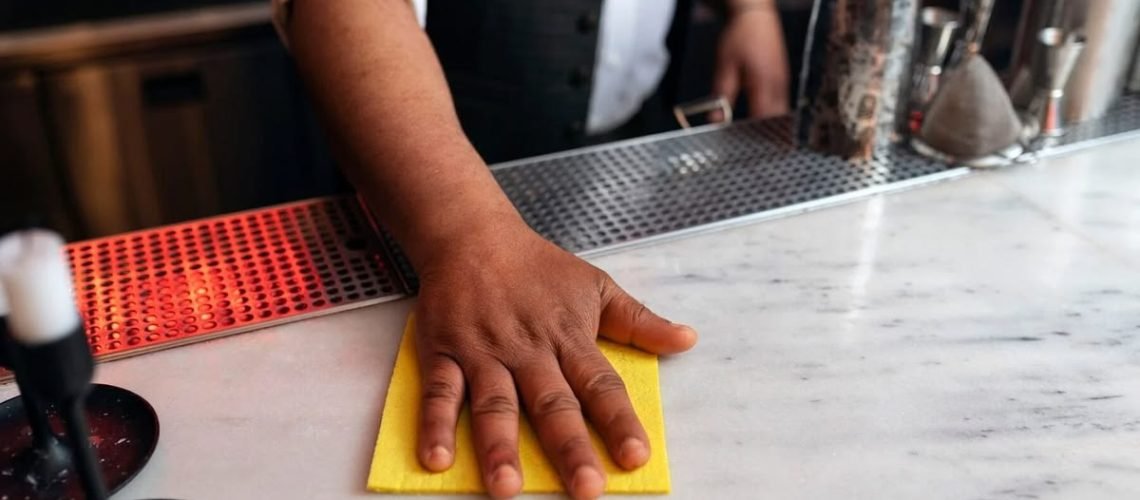
Keeping a restaurant spotless requires more than mopping the dining area before customers arrive.
A genuinely clean food business must control contamination at every stage, from receiving ingredients and storing raw meat to preparing meals, washing utensils, serving customers and disposing of waste.
For Nigerian restaurants, food hygiene should be part of everyday operations rather than an activity reserved for inspection days. A consistent cleaning schedule, trained staff, safe water, proper temperature control, pest prevention and accurate records can help protect customers and keep the business prepared for regulatory visits.
Nigeria’s NAFDAC Food Hygiene Regulations 2025 cover food establishments involved in preparation, handling, storage and sale. They address premises, staff, equipment, water, sanitation, drainage, waste, raw materials, temperature control, pest management and training. Restaurants should use the regulations alongside applicable state and local environmental health requirements.
Restaurant Cleaning Checklist: What Needs Attention Every Day?
| Area | What staff should do | When |
|---|---|---|
| Food preparation surfaces | Clean and sanitise using suitable products | Before and after food preparation and between tasks |
| Floors | Remove spills and clean using the correct method | Throughout service and at closing |
| Handwashing stations | Refill soap, maintain water and provide hygienic drying materials | Opening checks and throughout the day |
| Refrigerators and freezers | Check temperatures, organise food and remove spills | Opening and closing |
| Cooking equipment | Remove grease and food residue | After use and during scheduled deep cleaning |
| Toilets | Clean, disinfect and restock supplies | At scheduled intervals and when needed |
| Waste bins | Empty, clean and replace liners | Before they overflow and at closing |
| Drains | Check for blockages, odours and standing water | Daily |
| Pest-prone areas | Inspect for droppings, damage and signs of infestation | Daily, with scheduled professional checks |
The schedule should reflect the size of the restaurant, its menu, the number of customers and the equipment in use. A busy grill restaurant will have different cleaning demands from a small café.
1. Create a Cleaning Schedule With Named Responsibilities
One of the biggest reasons restaurant cleaning fails is that everyone assumes someone else will handle it. A cleaning schedule removes that confusion.
Divide the restaurant into zones: kitchen, food storage, dining area, service counter, toilets, waste area and external surroundings. Assign each zone to a named staff member or role. Then state the task, frequency, cleaning method and person responsible.
For example, the kitchen assistant may clean food-contact surfaces after each preparation task, while the closing supervisor checks refrigerators, floors and waste storage. A manager should review the schedule and confirm that staff completed the work.
Use a simple checklist that includes:
- The area or equipment to clean.
- The cleaning product and method.
- The required frequency.
- The responsible staff member.
- The time completed.
- A supervisor’s verification.
A checklist is useful only when staff follow it. Do not allow employees to tick boxes before completing the work. Supervisors should inspect high-risk areas and correct missed tasks immediately.
2. Separate Raw Food From Ready-to-Eat Food
Cross-contamination can occur when harmful microorganisms move from raw ingredients to cooked or ready-to-eat food. A clean-looking kitchen can still create serious risks if staff use the same chopping board, knife or work surface for raw chicken and vegetables without proper cleaning.
Create clear separation between raw and cooked food. Where space permits, use separate preparation areas. If the kitchen is small, schedule tasks carefully and clean and sanitise surfaces and equipment between uses.
Store raw meat, poultry and fish in covered, leak-proof containers below ready-to-eat foods in refrigerators. This reduces the risk of raw juices dripping onto food that will not receive further cooking.
Staff should also:
- Wash hands after handling raw meat, poultry, fish or eggs.
- Use clean utensils for cooked food.
- Replace damaged chopping boards.
- Keep food covered when it is not being prepared.
- Never return cooked food to a plate or container that held raw ingredients unless it has been properly cleaned.
- Clean spills immediately instead of allowing them to spread.
Colour-coded chopping boards and utensils can help staff distinguish tasks, but colour coding alone does not prevent contamination. Employees must understand how to use, wash and store the equipment correctly.
3. Make Handwashing Non-Negotiable
Hand hygiene is one of the simplest and most important food-safety controls. However, staff cannot wash their hands properly if the restaurant does not provide suitable facilities.
NAFDAC’s 2025 regulations address handwashing facilities, running water, soap and hygienic hand-drying materials. A restaurant should make these supplies available and keep the stations clean and accessible.
Train staff to wash their hands before handling food, after using the toilet, after touching waste, after handling raw ingredients, after cleaning and whenever their hands become contaminated.
Gloves do not replace handwashing. A worker who handles raw chicken, touches a phone and then prepares a sandwich without changing gloves can still transfer contamination. Replace gloves between tasks and wash hands as required.
Managers should also establish a clear illness-reporting procedure. Staff should tell supervisors when they experience symptoms that could affect food safety. Follow applicable medical and regulatory requirements before allowing an affected worker to resume food handling.
4. Clean First, Then Sanitise
Cleaning and sanitising are related, but they are not the same task. Cleaning removes visible dirt, grease and food residue. Sanitising reduces microorganisms on a properly cleaned surface.
Applying sanitiser over a greasy countertop does not make the surface safe. Staff should first remove food debris, wash the surface with an appropriate detergent, rinse when the product instructions require it, and then apply a suitable food-contact sanitiser according to the label.
Pay attention to:
- Chopping boards and knives.
- Food preparation counters.
- Food mixers and processors.
- Serving utensils.
- Worktables.
- Handles and switches that staff touch frequently.
- Food containers and reusable equipment.
Use cleaning products according to their instructions. Never mix bleach with acids, ammonia or other household chemicals. Such combinations can release dangerous gases. Store chemicals away from ingredients, packaging and food-contact equipment.
A restaurant should also label chemical containers clearly. Do not store cleaning chemicals in drink bottles or food containers because someone may mistake them for edible products.
5. Maintain Safe Water and Clean Washing Facilities
Water touches almost every part of restaurant operations. Staff use it to wash hands, clean equipment, prepare ingredients, make drinks and produce ice. If the water supply is unsafe, it can contaminate food and surfaces.
NAFDAC’s regulations require food premises to have an adequate supply of potable water and appropriate storage and distribution facilities. Restaurants that rely on tanks, boreholes or delivered water should maintain their systems and arrange suitable water-quality checks.
Keep water storage tanks covered and maintained. Inspect taps, pipes and storage areas for leaks, dirt and signs of contamination. Ice intended for consumption or food contact must come from potable water and remain protected during handling and storage.
Also keep handwashing facilities separate from food-washing activities where necessary. A sink used for washing raw vegetables should not become a place for employees to wash their hands or clean dirty equipment.
6. Control Food Temperatures and Storage
A restaurant can have spotless floors and still create food-safety problems through poor temperature control. Perishable foods should not remain for long periods in conditions that allow harmful microorganisms to multiply.
Use reliable refrigerator and freezer thermometers. Establish temperature targets based on the food type, applicable requirements and your food-safety procedures. Record readings at scheduled intervals and investigate unexpected changes.
Organise storage so staff can identify ingredients easily. Label containers with the product name, preparation or opening date and use-by information where relevant. Apply a first-in, first-out system, while also respecting expiry dates and safe storage limits.
Do not overload refrigerators. Air needs to circulate around stored food. Keep raw products separated from cooked and ready-to-eat items, and clean spills immediately.
When equipment fails, staff should know what to do. Do not assume that food remains safe simply because it feels cool. Assess how long it has been outside safe temperature conditions and follow the restaurant’s food-safety procedure. When safety is uncertain, discard the food rather than serving it.
7. Keep Toilets, Floors and Drains Under Control
Customers often judge a restaurant by the condition of its toilets and dining area. More importantly, poor sanitation can attract pests and create routes for contamination.
Clean toilets on a defined schedule. Refill soap and hand-drying supplies, maintain working taps and flush systems, and ensure that waste bins do not overflow. Keep toilet-cleaning equipment separate from kitchen cleaning tools.
In the dining area, remove spills immediately to prevent slips and reduce the attraction of insects. Clean tables between customers and pay attention to chair legs, corners and areas beneath furniture.
Kitchen floors need regular attention because oil, food scraps and water can create hazards. Use appropriate cleaning products and keep the area as dry as practical. Do not direct dirty water towards food-preparation surfaces or clean equipment.
Drains should flow properly and remain free from food waste. Standing water and unpleasant smells may indicate blockages or maintenance problems that need immediate attention.
8. Build a Pest-Prevention Routine
Cockroaches, flies, rodents and other pests can contaminate food, packaging and equipment. Spraying insecticide occasionally will not solve an infestation if the restaurant continues to provide food, water and hiding places.
Start with prevention:
- Keep ingredients in sealed, food-safe containers.
- Remove food waste regularly.
- Clean grease and crumbs from hard-to-reach areas.
- Repair holes, damaged screens and gaps around doors.
- Keep external waste areas clean and covered.
- Inspect deliveries for signs of insects or damaged packaging.
- Arrange professional pest-control support when necessary.
If pest-control chemicals are used, protect food, staff and equipment. Follow product instructions and use competent service providers. Never allow pesticide application to expose food or food-contact surfaces to contamination.
Maintain records of pest inspections, treatments and corrective work. Recurring pest problems may point to structural defects or poor waste management that require more than another chemical treatment.
9. Prepare Staff for Food Hygiene Inspections
An inspection-ready restaurant does not need to panic when an authorised officer arrives. Staff should understand the cleaning system, know where records are kept and be able to explain their responsibilities.
Keep relevant documents organised, including:
- Cleaning schedules and completed checklists.
- Food-handler medical or test documentation required by applicable regulations.
- Staff hygiene and food-safety training records.
- Water-quality and maintenance records, where applicable.
- Pest-control reports.
- Temperature logs.
- Supplier and delivery records.
- Waste-management records.
- Corrective-action reports.
NAFDAC’s 2025 regulations specifically address food-handler testing, training, documented procedures, water, waste, temperature control and pest management. Restaurants should also check the requirements of their state and local environmental health authorities. Requirements and inspection processes can differ by location and type of business.
Never create false records to impress an inspector. If a problem exists, document it, take corrective action and record what the business has done to prevent a repeat.
10. Make Deep Cleaning Part of the Business Plan
Daily cleaning keeps a restaurant operational, but some tasks require more time and attention. Deep cleaning should cover extractor hoods, refrigerator interiors, storage shelves, wall surfaces, equipment beneath and behind appliances, vents and other areas that daily routines may miss.
Plan deep-cleaning sessions during quieter periods or after closing. Assign staff who understand how to dismantle and clean equipment safely. For specialised equipment, follow the manufacturer’s maintenance instructions or use qualified technicians.
Budget for cleaning supplies, replacement brushes, protective equipment, repairs and professional services. Buying the cheapest chemical is not always economical if it damages surfaces or fails to work effectively.
A clean restaurant is not achieved through one expensive cleaning session. It is built through clear standards, reliable staff, suitable equipment and daily supervision.
Turn Cleanliness Into a Customer Promise
Restaurant hygiene affects customer confidence, staff safety, food quality and business continuity. When a restaurant maintains clean preparation areas, safe storage, proper handwashing, pest controls and reliable records, it reduces avoidable risks and creates a better dining environment.
Start with a simple cleaning schedule, assign responsibilities and review the results every day. Then strengthen the system with staff training, temperature monitoring, maintenance and documented procedures. The goal is not to make the restaurant look clean only when someone visits. It is to make cleanliness part of how the business operates.
Frequently Asked Questions
1. How often should a restaurant kitchen be cleaned?
Food-contact surfaces should be cleaned and sanitised between relevant tasks and whenever contamination occurs. Floors, equipment and storage areas need cleaning according to use and risk, while deep-cleaning tasks should follow a planned schedule. Toilets and handwashing stations require regular checks throughout operating hours.
2. What do food inspectors check in Nigerian restaurants?
Checks may cover premises, food handling, staff hygiene, water supply, sanitation, equipment, storage, temperature control, pest prevention and waste management. NAFDAC’s Food Hygiene Regulations 2025 address these areas, but restaurants should also confirm the requirements of their local and state authorities.
3. Is cleaning the same as sanitising?
No. Cleaning removes dirt, grease and food residue. Sanitising reduces microorganisms on a surface that has been properly cleaned. Follow the cleaning product’s instructions and use products suitable for the intended surface.
4. How can a small restaurant prevent cross-contamination?
Separate raw ingredients from cooked and ready-to-eat food, use clean utensils, wash hands between tasks and clean and sanitise food-contact surfaces. Store raw meat and poultry in covered containers below ready-to-eat foods in refrigerators.
5. What records should a restaurant keep for hygiene inspections?
Useful records include cleaning schedules, food-safety training, relevant food-handler documentation, temperature logs, pest-control reports, maintenance records, water-quality information and corrective actions. Keep records accurate, current and easy to retrieve.
