

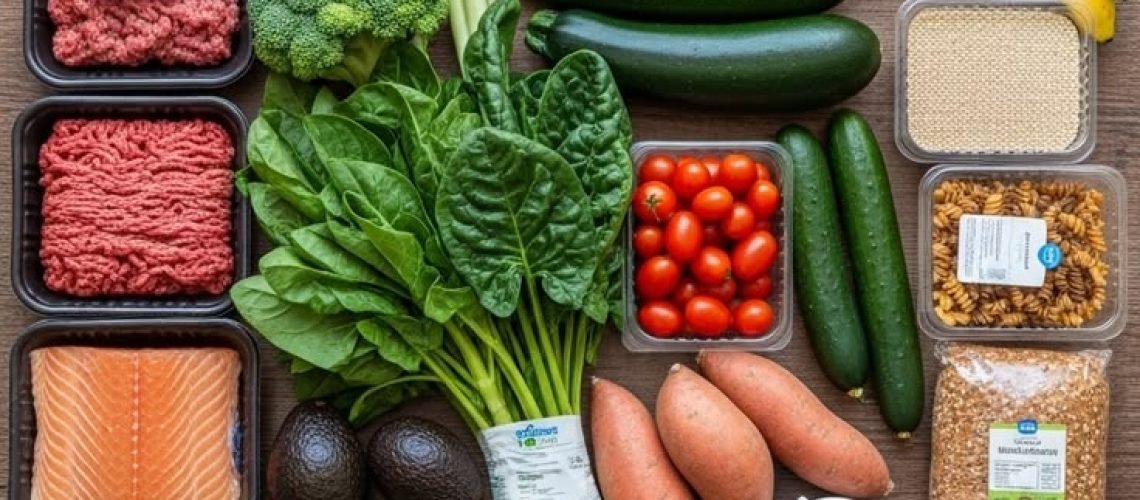
Feeding a family of six on a tight budget requires more than buying the cheapest food available.
You need a plan that combines affordable staples, beans and other legumes, vegetables, fruits and accessible protein. Rice, beans, garri, yam, eggs, fish, vegetables and seasonal produce can form the foundation of balanced Nigerian meals when you buy carefully and vary how you prepare them.
The goal is to feed everyone adequately without spending unnecessarily on food that spoils, ingredients you rarely use or meals that offer little variety. With a shopping list, a weekly menu and sensible bulk purchasing, you can make your household food budget work harder.
At a glance: A practical foodstuff plan for six
| Food group | Affordable options | Why they matter |
|---|---|---|
| Grains and staples | Rice, maize, oats, garri, pasta | Provide energy |
| Legumes | Beans, lentils, groundnuts | Provide protein, fibre and other nutrients |
| Tubers | Yam, sweet potatoes, cassava | Provide energy and variety |
| Vegetables | Ugu, waterleaf, cabbage, carrots, okra | Supply vitamins, minerals and fibre |
| Fruits | Oranges, bananas, pawpaw, seasonal fruit | Add vitamins and fibre |
| Protein foods | Eggs, fish, beans, chicken, local cheese | Support growth and body repair |
| Healthy fats | Groundnut oil, palm oil, seeds | Provide energy and help absorb some vitamins |
Nigeria’s food-based dietary guidelines recommend variety across cereals, legumes, roots and tubers, vegetables, fruits, fish, lean meat and local cheese. They also advise eating vegetables and fruits regularly, limiting excess salt, sugar and fats, and drinking plenty of water. See the FAO summary of Nigeria’s dietary guidelines.
1. Build your shopping list around food groups
A balanced household menu should not depend on rice, noodles and bread alone. These foods can provide energy, but your family also needs protein, vegetables and fruits.
Start by dividing your food budget into categories. You do not need to buy every item every week. Some dry foodstuffs can last longer, while fresh vegetables and fruits require more frequent purchases.
Grains and other staples
Consider buying:
- Rice.
- Garri.
- Maize or corn.
- Yam.
- Sweet potatoes.
- Oats.
- Pasta or spaghetti.
These ingredients provide energy and can support several different meals. For example, rice can accompany beans and vegetables, while maize can become pap or a swallow alternative.
Choose the quantities based on how frequently your family eats each item. Buying a large bag of rice may be economical only if you have enough storage space and the household consumes it before pests or moisture affect its quality.
Beans and other legumes
Beans deserve a regular place in a budget-conscious household. They provide plant protein and fibre, and they can make meals more filling.
Use them in different ways:
- Plain beans with stew.
- Beans and plantain.
- Moi moi.
- Akara.
- Beans porridge with vegetables.
- Beans added to rice dishes.
Groundnuts can also provide protein and healthy fats, although portions matter because they are energy-dense.
Vegetables and fruits
Vegetables should not become an occasional luxury in your food plan. Buy affordable seasonal options and use them across several meals.
Ugu, waterleaf, cabbage, carrots, okra, tomatoes, onions and pepper can support different soups and stews. Fruit choices may include oranges, bananas, pawpaw and whatever is reasonably priced and in season.
Instead of buying a large quantity of one expensive fruit, choose smaller amounts of two or three affordable varieties.
2. Choose protein that fits your budget
Protein is important for growth, tissue repair and normal body function. However, a family does not need to serve chicken or beef at every meal to include enough variety.
Consider combining:
- Beans and other legumes.
- Eggs.
- Fresh or properly frozen fish.
- Chicken in measured portions.
- Groundnuts.
- Milk or yoghurt, where affordable.
- Wara or other local dairy products.
For instance, you can serve beans twice during the week, use eggs in vegetable sauces and include fish in soups. Chicken can appear in selected meals rather than becoming an everyday expense.
For children, older adults and anyone with specific nutritional needs, portion sizes and food choices may require individual adjustment. A family meal plan should not assume that every person has identical requirements.
3. A practical one-week meal plan for six
The following menu uses familiar Nigerian meals and repeats ingredients to reduce waste. Adjust the portions to the ages, appetites and activity levels of household members.
| Day | Breakfast | Lunch | Dinner |
|---|---|---|---|
| Monday | Pap and moi moi | Rice, beans and vegetables | Eba with okra soup and fish |
| Tuesday | Oats and banana | Beans porridge with plantain | Yam and vegetable egg sauce |
| Wednesday | Bread and boiled eggs | Jollof rice with vegetables and fish | Ewedu, gbegiri and amala |
| Thursday | Pap and akara | Sweet potatoes with egg sauce | Rice and beans with cabbage salad |
| Friday | Oats and groundnuts | Vegetable spaghetti with fish | Eba with egusi and ugu |
| Saturday | Boiled yam and egg sauce | Beans and plantain | Rice with vegetable stew |
| Sunday | Moi moi and pap | Rice, chicken and vegetables | Leftover soup with a suitable swallow |
Breakfast does not need to be elaborate. The important thing is to provide variety over the week and avoid relying on sugary drinks or snacks as substitutes for proper meals.
4. What should you buy for a family of six?
The quantities below are a starting point for one week, not a universal prescription. Your household may need more or less depending on the ages of the family members, appetite, work schedules and how often people eat outside the home.
| Foodstuff | Suggested weekly starting quantity | How to use it |
|---|---|---|
| Rice | 3–4 kg | Jollof, plain rice and rice with beans |
| Beans | 2–3 kg | Porridge, moi moi and beans meals |
| Garri or other swallow | 2–3 kg | Accompany soups |
| Yam or sweet potatoes | 2–3 medium portions/tubers, adjusted for size | Breakfast and main meals |
| Eggs | 15–24 | Breakfast and vegetable sauces |
| Fish | 1–1.5 kg | Soups and rice dishes |
| Vegetables | Several bunches and seasonal produce | Soups, sauces and side dishes |
| Tomatoes, pepper and onions | Based on the week’s menu | Stews and sauces |
| Fruit | 12–18 pieces or a suitable mixed quantity | Snacks and breakfast |
| Groundnuts | 500 g | Snacks and meal additions |
| Cooking oil | As required | Cooking, using moderate quantities |
These quantities are planning estimates. They are not medical dietary recommendations, and you should adjust them to the household’s needs.
5. How much should you budget?
Food prices vary between markets, sellers, brands and seasons. Therefore, use current local prices as a guide and confirm the cost of your actual shopping basket before setting a household budget.
The Lagos State Ministry of Agriculture and Food Systems’ November 2026 price tracker listed the following examples:
| Item | Reported price | Unit |
|---|---|---|
| Imported long-grain rice | ₦27,000 | 25 kg |
| Imported short-grain rice | ₦25,000 | 25 kg |
| White garri | ₦1,300 | 1 paint |
| Ijebu garri | ₦1,100 | 1 paint |
| Medium eggs | ₦5,400 | 1 crate |
| Medium yam | ₦2,500 | 1 tuber |
| Tomatoes | ₦1,600 | 1 kg |
| Onions | ₦1,100 | 1 kg |
Prices checked: November 2026. These are tracker figures, not guaranteed prices at every Lagos market. The tracker does not provide a complete price for every food item in this plan. Check the Lagos State food price tracker before making your final shopping list.
A useful approach is to buy dry staples in larger quantities when the price and storage conditions make sense. Purchase vegetables, fruits and other perishable foods in smaller batches to reduce waste.
6. Use a simple food budget instead of shopping randomly
A household budget works better when you decide what you intend to cook before visiting the market.
For example, if you plan to cook beans twice, make moi moi once and serve beans with rice once, you can estimate the quantity required before buying. This prevents you from purchasing several bags of ingredients without knowing how they fit into the week’s meals.
Try this process:
- Write down the meals your household will eat.
- Check what you already have at home.
- List only the ingredients you need.
- Compare prices from two or three sellers.
- Buy dry goods in sensible bulk quantities.
- Set aside money for fresh produce and protein.
- Keep a small amount for price changes or forgotten essentials.
Avoid shopping while hungry or buying ingredients because they are on promotion. A discount is not a saving if the food spoils before your family uses it.
7. Reduce food waste through better storage and preparation
Food waste can quietly increase household spending. Store rice, beans and garri in clean, dry, airtight containers. Keep vegetables properly ventilated or refrigerated where possible, and prepare only the quantity your family can reasonably consume.
You can also save time by preparing some ingredients ahead. Wash and portion vegetables, cook beans in batches where storage conditions allow, and freeze suitable portions promptly.
However, do not leave cooked food at room temperature for long periods. Cool and store leftovers safely, then reheat them thoroughly before serving. If food smells unusual, shows signs of spoilage or has been stored unsafely, discard it.
8. Make bulk food buying work for your household
Buying in bulk can reduce the cost per unit, but only when the quantity matches your household’s consumption and storage capacity.
A family of six may benefit from sharing a larger purchase of rice, beans, garri or cooking oil with relatives, neighbours or trusted households. This can help reduce the amount each household spends at once.
Before joining a group purchase, agree on the product quality, quantity, price, payment method, delivery arrangement and how the goods will be divided.
Easer Lifestyle’s Bulk Food Sharing service is relevant for households interested in organised bulk food purchases. Check the current product options, participation terms and availability before booking.
Want to explore shared food purchases? Review Easer’s Bulk Food Sharing service and Book Your Slot.
Frequently asked questions
1. What is the cheapest healthy food to feed a family of six in Nigeria?
Beans, maize, rice, garri, seasonal vegetables, eggs and locally available fruits can form an affordable foundation. The cheapest combination depends on current market prices and what your household already has in storage.
2. How much rice should a family of six buy weekly?
A starting estimate of 3–4 kg may suit some households, but actual consumption depends on appetite, the number of rice meals and the other foods served during the week. Track what your family uses before buying larger quantities.
3. Can a family eat beans every day?
Beans are nutritious, but a varied diet is better than depending on one food alone. Rotate beans with eggs, fish, vegetables, tubers and other affordable protein sources.
4. How can I reduce my family’s monthly food expenses?
Plan meals, compare prices, buy suitable dry staples in bulk, use seasonal produce and store food properly. Avoid purchasing ingredients that your family is unlikely to use.
5. Is buying food in bulk cheaper?
It can reduce the cost per unit, but only when you buy at a good price, share costs fairly and store the food properly. Compare the total cost, quality and transport charges before joining a bulk purchase.
Make your food budget work harder
A tight budget does not have to mean serving the same meal every day. Build your shopping list around staples, legumes, vegetables, fruits and affordable protein. Then use a weekly menu to control portions, reduce waste and make your purchases last.
Interested in buying foodstuff together with other households? Explore Easer Bulk Food Sharing and check the available booking arrangements.
Sources: FAO —Nigeria’s food-based dietary guidelines; Lagos State Ministry of Agriculture and Food Systems — Food Price Tracker.
