

Eating well on a budget often feels like a challenge, especially when food prices keep rising.
However, one of the most effective and practical strategies for saving money in the kitchen is meal planning with bulk ingredients. With the right approach, you can reduce waste, save time, and consistently prepare healthy meals without overspending.
This article breaks down how to build an affordable meal plan using bulk ingredients, and how to make it work in everyday life.
Why Bulk Ingredient Meal Planning Works
Buying in bulk is not just for large families or restaurants. When done correctly, it can benefit anyone trying to manage food expenses.
Here’s why it works:
- Lower cost per unit: Larger quantities usually cost less per serving.
- Reduced shopping frequency: Fewer trips to the market or store means less impulse buying.
- Less food waste: Ingredients are planned across multiple meals.
- Better control of nutrition: You decide what goes into your meals instead of relying on processed options.
Step 1: Choose Affordable Bulk Staples
The foundation of bulk meal planning is selecting ingredients that are versatile, long-lasting, and budget-friendly.
Some great options include:
- Rice
- Beans (black beans, kidney beans, or lentils)
- Pasta
- Oats
- Potatoes and sweet potatoes
- Flour and cornmeal
- Frozen vegetables
- Eggs (when bought in larger trays)
- Chicken (whole or in family packs)
These foods can be combined in different ways to create multiple meals throughout the week.
Step 2: Plan Meals Around Shared Ingredients
Instead of planning separate meals from scratch, build a system where ingredients repeat across dishes.
For example:
- Rice base: jollof rice, stir-fried rice, rice and beans
- Beans base: bean stew, bean porridge, bean and rice combo
- Chicken base: grilled chicken, chicken stew, chicken soup
- Vegetable base: sautéed veggies, mixed vegetable soup, side salads
This approach reduces the number of ingredients you need while still keeping meals varied.
Step 3: Batch Cooking Saves Time and Money
Batch cooking means preparing large portions of food at once and storing them for later use.
Benefits include:
- Less cooking time during the week
- Lower energy or gas usage
- Ready-to-eat meals for busy days
For example, you can cook a large pot of stew, divide it into portions, and freeze or refrigerate it. This allows you to mix it with rice, pasta, or yams throughout the week.
Step 4: Store Food Properly to Avoid Waste
Proper storage is key when working with bulk ingredients.
Tips include:
- Use airtight containers for dry foods like rice and beans
- Label frozen meals with dates
- Store cooked food in small portions for easy reheating
- Keep vegetables in the fridge’s crisper section or freeze them if possible
Good storage habits ensure that your savings are not lost through spoilage.
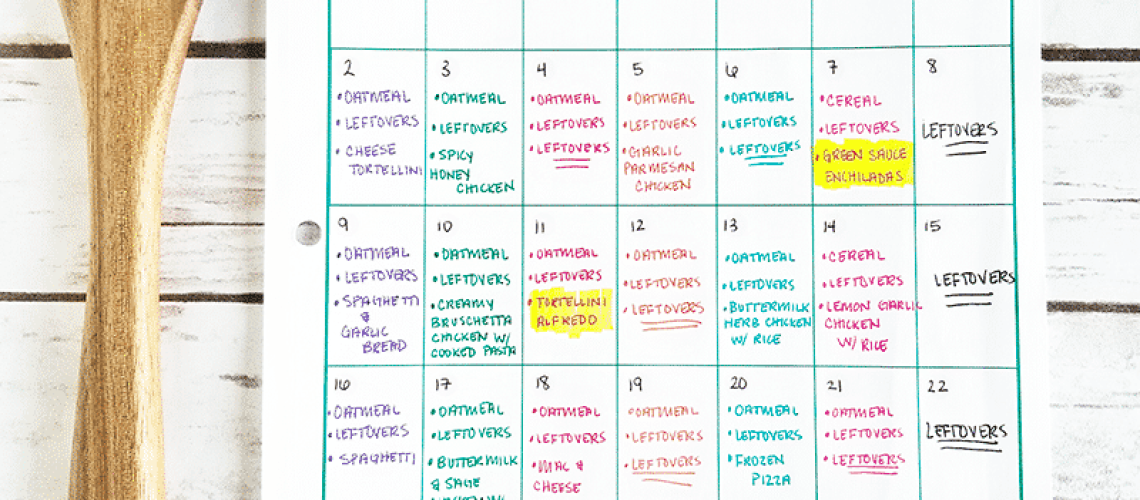
Step 5: Build a Weekly Budget Meal Plan
A simple structure can help you stay consistent. Here’s an example:
Breakfast options:
- Oats with fruit
- Bread with eggs
- Yam or potatoes with sauce
Lunch options:
- Rice with vegetable stew
- Beans and plantain
- Pasta with chicken sauce
Dinner options:
- Light soup with vegetables and protein
- Leftover lunch combinations
- Stir-fried rice or noodles
By rotating these meals, you avoid boredom while sticking to your budget.
Step 6: Shop Smart and Stick to a List
Bulk shopping only works when you avoid unnecessary purchases.
Practical tips:
- Always shop with a written list
- Buy in wholesale markets when possible
- Compare prices across different vendors
- Avoid shopping when hungry to reduce impulse buying
Common Mistakes to Avoid
Even with good intentions, some mistakes can reduce the benefits of bulk meal planning:
- Buying too much of perishable items
- Not planning meals before shopping
- Ignoring proper storage methods
- Repeating meals without variety (which leads to waste)
Avoiding these helps you stay consistent and efficient.
Final Thoughts
Affordable meal planning with bulk ingredients is not about restriction, it’s about strategy. With careful planning, smart shopping, and simple cooking routines, you can enjoy healthy, satisfying meals while spending far less.
Once you develop the habit, you’ll find that budgeting for food becomes easier, more predictable, and even enjoyable.
