

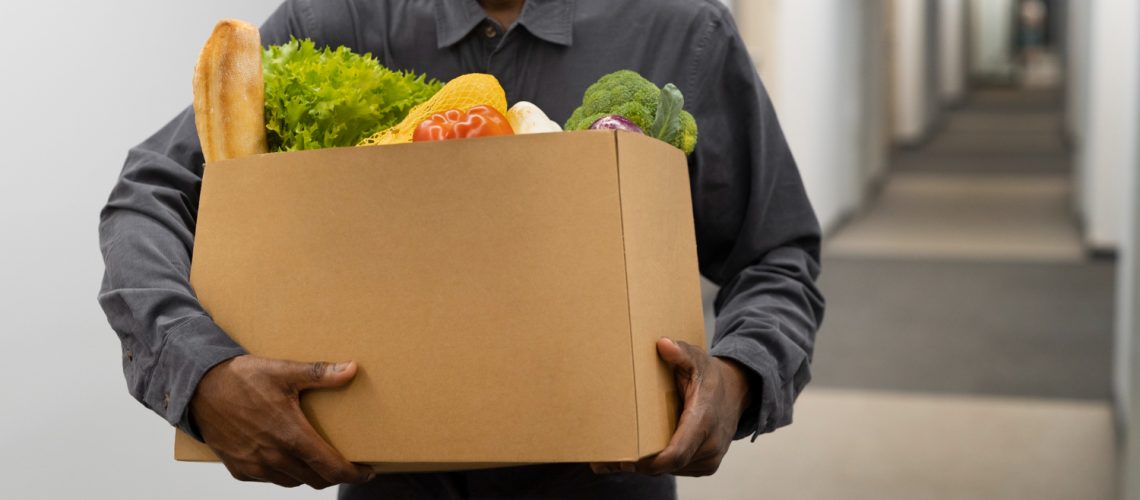
Bulk Buying for Large Families: A Complete Guide
Managing a large family comes with many rewards, but also significant expenses, especially when it comes to food and household essentials. Bulk buying is one of the smartest strategies families can use to stretch their budgets, reduce shopping frequency, and ensure the home is always well-stocked. When done right, it can save both time and money while reducing stress.
This guide explores how large families can take full advantage of bulk buying without falling into common traps.
What Is Bulk Buying?
Bulk buying involves purchasing large quantities of items at once, usually at a lower cost per unit. These items can include groceries, cleaning supplies, toiletries, and even clothing. The goal is simple: spend less over time by buying more upfront.
For large families, bulk buying isn’t just a convenience, it’s often a necessity.
Benefits of Bulk Buying for Large Families
1. Cost Savings
Buying in bulk typically reduces the price per unit. Staples like rice, beans, pasta, and flour are significantly cheaper when purchased in larger quantities.
2. Fewer Shopping Trips
With a well-stocked home, families can cut down on frequent trips to the store. This saves time, transportation costs, and even impulse spending.
3. Better Meal Planning
Having essential ingredients on hand makes it easier to plan meals in advance, reducing last-minute stress and unhealthy food choices.
4. Reduced Packaging Waste
Bulk items often come with less packaging per unit, making them more environmentally friendly.
What to Buy in Bulk
Not everything is suitable for bulk buying. Focus on items that your family uses regularly and that have a long shelf life.
Best Items for Bulk Buying:
- Grains (rice, oats, pasta)
- Beans and legumes
- Cooking oils
- Frozen foods
- Canned goods
- Cleaning supplies
- Toiletries (soap, toothpaste, tissue)
Items to Avoid:
- Perishable foods without proper storage
- Items your family doesn’t use often
- Trendy or experimental products
Smart Storage Solutions
Buying in bulk only works if you can store items properly. Poor storage can lead to spoilage, waste, and even pest problems.
Storage Tips:
- Use airtight containers to keep food fresh
- Label items with purchase dates
- Store dry goods in cool, dry places
- Invest in a freezer for meats and frozen items
- Rotate stock (use older items first)
Budgeting for Bulk Purchases
Bulk buying requires a higher upfront cost, which can be challenging for some families. Planning is key.
Tips for Budgeting:
- Set aside a monthly bulk-buying budget
- Start small and gradually increase purchases
- Take advantage of sales and discounts
- Split bulk purchases with other families if needed
Avoiding Common Mistakes
Even though bulk buying is beneficial, mistakes can cancel out the savings.
Watch Out For:
- Overbuying: Purchasing more than your family can use
- Spoilage: Letting food expire before use
- Impulse Purchases: Buying items just because they seem cheap
- Storage Issues: Not having enough space or proper containers
Creating a Bulk Buying Routine
Consistency is what makes bulk buying truly effective.
Build a System:
- Make a list of high-use items
- Track consumption patterns
- Schedule monthly or quarterly bulk shopping
- Review and adjust based on what works
Final Thoughts
Bulk buying is more than just a shopping method, it’s a lifestyle strategy that helps large families stay organized, save money, and reduce daily stress. By focusing on essential items, planning ahead, and storing goods properly, families can turn bulk buying into a powerful tool for financial stability and convenience.
When approached with discipline and awareness, bulk buying transforms the way large households manage their resources, making life simpler, smarter, and more sustainable.
