

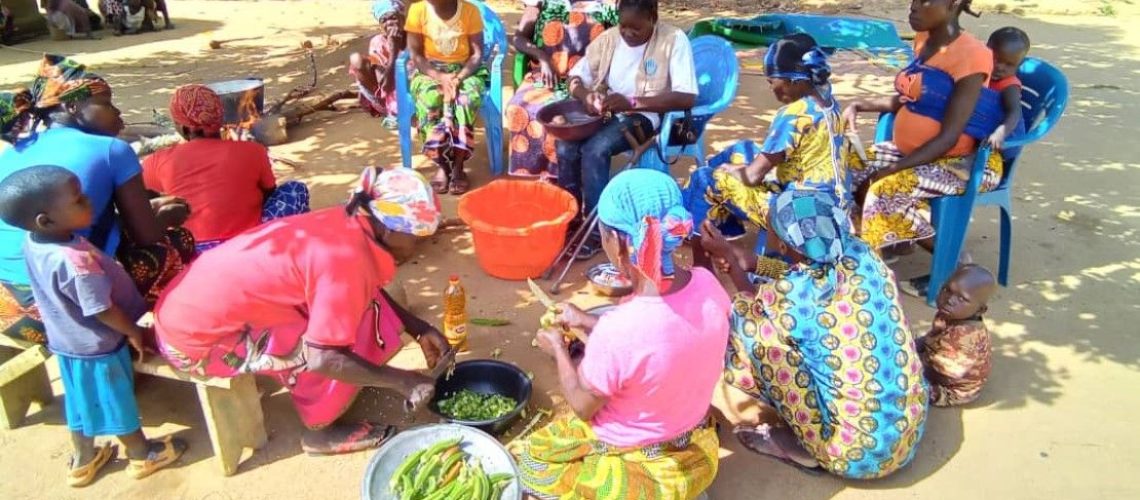
Community bulk food sharing is an increasingly effective way for households, neighborhoods, and local groups to reduce food costs, minimize waste, and strengthen social bonds.
In fast-growing urban areas such as Lagos and across Nigeria, where food prices can fluctuate significantly, cooperative food strategies are becoming a practical solution for everyday living.
This article explores how communities can organize, manage, and sustain bulk food sharing systems successfully.
1. Understanding Community Bulk Food Sharing
Community bulk food sharing is a system where multiple households pool resources to buy food items in large quantities directly from wholesalers, farmers, or markets. The group then divides the goods among members based on agreed proportions.
Instead of each household buying small, expensive portions, the group benefits from:
- Lower per-unit prices
- Reduced transport costs
- Access to fresher produce in bulk
- Less packaging waste
2. Forming a Reliable Community Group
A successful bulk food sharing system starts with trust and structure. Communities should:
- Identify committed participants (neighbors, friends, coworkers)
- Set clear membership rules
- Choose a coordinator or rotating leadership system
- Define contribution levels and responsibilities
Trust is essential because money and food distribution must be handled transparently.
3. Choosing the Right Food Items
Not all foods are suitable for bulk sharing. The best items include:
- Rice, beans, maize, and grains
- Cooking oil and palm oil
- Frozen or dried fish and meat
- Spices and seasoning cubes
- Household staples like flour and sugar
Perishable items can also be shared, but they require faster distribution and better storage planning.
4. Sourcing from Wholesalers and Markets
To maximize savings, communities should buy directly from:
- Wholesale markets
- Farmers and cooperatives
- Large distributors
In places like Lagos, bulk purchasing is often done at major markets where prices are lower than retail shops. Group representatives can negotiate better deals due to higher purchasing power.
5. Creating a Transparent Payment System
Financial transparency builds trust and prevents conflict. Communities can use:
- Mobile money or bank transfers
- Group contribution records (digital or written)
- Receipts for every purchase
- Shared spreadsheets for tracking expenses
Each member should know exactly how much was paid and what was received.
6. Storage and Distribution Plans
Proper storage is critical to prevent spoilage and loss. Communities should:
- Use airtight containers for grains and dry foods
- Assign temporary storage spaces (trusted members’ homes or rented storage)
- Label portions clearly before distribution
- Schedule regular pickup or delivery days
Fair and organized distribution ensures long-term participation.
7. Leveraging Technology for Coordination
Even simple digital tools can improve efficiency:
- WhatsApp groups for communication
- Google Sheets for budgeting and tracking
- Mobile banking apps for payments
- Shared calendars for shopping schedules
Technology reduces confusion and keeps everyone updated in real time.
8. Managing Risks and Challenges
Common challenges include:
- Late payments from members
- Price fluctuations
- Disputes over distribution
- Storage losses or spoilage
These can be managed by:
- Setting strict but fair rules
- Keeping emergency funds
- Maintaining open communication
- Rotating leadership roles for accountability
9. Benefits Beyond Cost Savings
Community bulk food sharing offers more than financial relief:
- Strengthens neighborhood relationships
- Encourages cooperation and trust
- Reduces food insecurity
- Promotes better food planning habits
- Builds resilience during economic uncertainty
Conclusion
Community bulk food sharing is a practical and sustainable strategy that helps households save money while fostering unity. When properly organized with transparency, trust, and structure, it can transform how communities access and consume food, especially in high-cost urban environments like Lagos and beyond.
By working together, communities can turn everyday grocery shopping into a powerful tool for collective stability and growth.
