

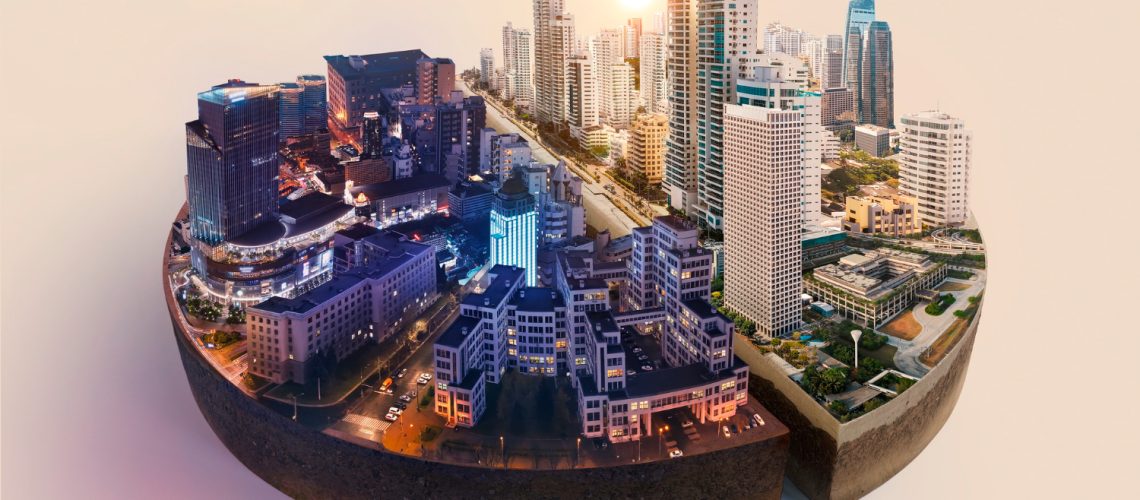
Exploring the Future of Smart, Efficient, and Sustainable Urban Living: What a Fully Connected City Looks Like.
As cities grow, the challenges of urban living, traffic congestion, energy shortages, waste management, and public safety become more complex. But technology is transforming urban life. The concept of a fully connected city is no longer a futuristic dream; it’s becoming a reality in cities around the world.
A fully connected city uses technology, data, and networks to integrate every aspect of urban living, creating efficiency, sustainability, and a higher quality of life for residents.
What Is a Fully Connected City?
A fully connected city, often called a smart city, relies on interconnected systems that communicate in real time. These systems can include:
-
Transportation networks
-
Utilities like water and electricity
-
Public services and safety systems
-
Communication infrastructure
-
Environmental monitoring
In essence, a fully connected city leverages data, sensors, and technology to make urban life more seamless, sustainable, and responsive.
Key Features of a Fully Connected City
1. Intelligent Transportation
Traffic is a major challenge in urban areas. In a fully connected city:
-
Smart traffic lights adjust in real time based on congestion levels
-
Public transit apps provide real-time schedules and updates
-
Ride-sharing and mobility platforms reduce private car use
-
Integrated traffic data helps city planners optimize road networks
Residents experience shorter commutes, reduced congestion, and cleaner air.
2. Energy and Utilities Integration
A connected city ensures energy and utilities are efficient and reliable:
-
Smart grids monitor electricity demand to prevent outages
-
IoT water systems detect leaks early and track usage
-
Renewable energy networks balance solar, wind, and conventional power
By integrating these systems, cities reduce waste, save costs, and maintain sustainability.
3. Connected Public Services
In a fully connected city, public services are proactive and responsive:
-
Emergency services respond faster with real-time data
-
Waste collection uses sensors to optimize pickup routes
-
Digital platforms allow residents to report issues quickly
-
Healthcare systems track outbreaks and allocate resources efficiently
Citizens enjoy more convenient, timely, and reliable services.
4. Environmental Monitoring
Environmental health is central to connected urban living:
-
Air and water quality sensors monitor pollution levels
-
Noise sensors track urban sound levels
-
Green infrastructure planning integrates parks, trees, and water management
This data helps cities reduce pollution, improve public health, and design sustainable urban spaces.
5. Citizen Engagement and Communication
A fully connected city values communication and participation:
-
Mobile apps allow residents to access services, pay bills, and provide feedback
-
Open data portals enable transparency and accountability
-
Real-time alerts inform citizens of emergencies, traffic changes, or events
Engaged citizens contribute to a more responsive, livable city.
6. Seamless Digital Infrastructure
Technology is the backbone of connectivity:
-
High-speed internet and 5G networks
-
Cloud-based data management
-
AI-driven decision-making for city planning
-
Interconnected IoT devices throughout homes, businesses, and public spaces
This infrastructure ensures all systems operate efficiently and harmoniously.
Examples of Connected Cities
-
Singapore: A global leader in smart city technology, with smart traffic, environmental monitoring, and digital citizen services.
-
Barcelona, Spain: Uses sensors for waste management, parking, and water efficiency.
-
Kigali, Rwanda: Incorporates technology in transportation, city planning, and civic engagement.
-
Cape Town, South Africa: Leverages digital platforms for water management and smart city planning.
These cities show that connectivity improves efficiency, safety, and quality of life.
The Benefits of a Fully Connected City
-
Efficiency: Reduced congestion, optimized energy use, and streamlined services
-
Sustainability: Lower emissions, smarter waste management, and conservation of resources
-
Safety: Faster emergency response and predictive analytics to prevent incidents
-
Quality of Life: Better access to services, more reliable utilities, and cleaner environments
-
Economic Growth: Data-driven planning attracts investment and supports innovation
A connected city is not just about technology, it’s about making life easier, safer, and more sustainable for everyone.
Final Thoughts
A fully connected city represents the future of urban living. It combines technology, data, and human-centered design to create cities that are more efficient, sustainable, and enjoyable. For residents, it means shorter commutes, reliable utilities, safer neighborhoods, and better environmental quality. For governments and planners, it means smarter decision-making and resource management.
The cities that embrace connectivity today are building the foundations for a smarter, more livable tomorrow.
