

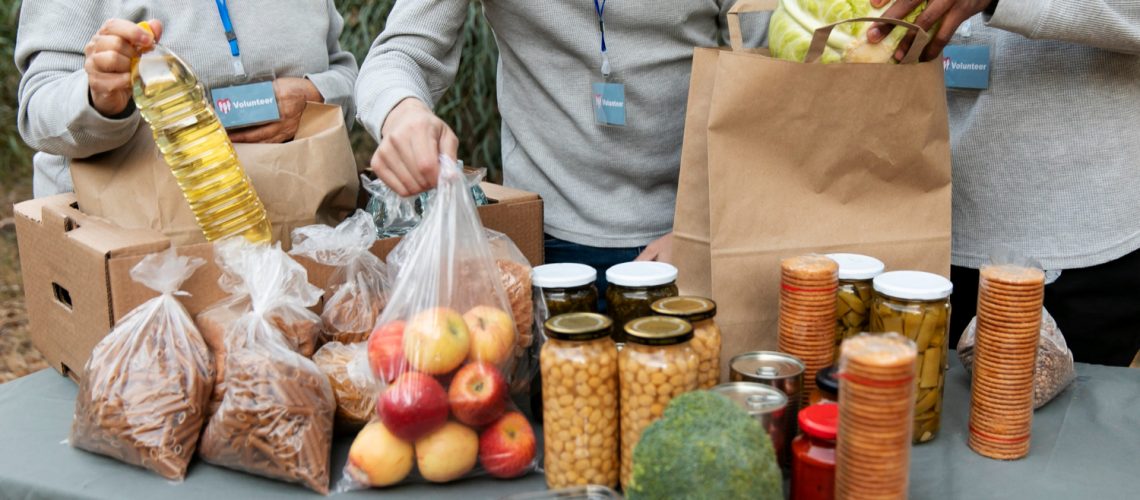
In many cities around the world, especially across African urban centers, communities are rediscovering a powerful old habit: buying food together.
Bulk food communities, where neighbors pool resources to purchase food in large quantities, are becoming more than just a money-saving strategy. They are strengthening social bonds, improving food security, and building resilient neighborhoods.
As living costs rise and urban lifestyles become more individualistic, this collective approach to food purchasing offers both economic and social solutions.
What Are Bulk Food Communities?
Bulk food communities are informal or organized groups of neighbors, friends, coworkers, or local associations that combine their purchasing power to buy food items in large quantities directly from farmers, wholesalers, or major markets.
Instead of individuals buying small portions at higher retail prices, members share the cost of bulk purchases such as:
-
Rice, beans, and grains
-
Cooking oil and spices
-
Vegetables and fruits
-
Frozen foods or meat products
-
Household essentials
After purchasing, the food is divided among members according to their contributions.
This model is common in many African neighborhoods, cooperative societies, and even online community groups.
Reducing the Cost of Living
One of the strongest benefits of bulk food communities is financial relief. Buying in bulk significantly lowers the cost per unit because wholesalers offer discounts for larger quantities.
For families facing rising food prices, collective buying helps stretch household budgets. Instead of reacting to daily price fluctuations in local markets, communities secure food at more stable and predictable costs.
As a result, members experience less financial stress and can allocate savings toward education, healthcare, or small investments.
Strengthening Social Connections
Beyond economics, bulk food communities rebuild something modern cities often lose: neighborly relationships.
When people plan purchases together, coordinate deliveries, and share distribution responsibilities, they naturally interact more. Conversations that begin around food often grow into deeper social support systems.
Neighbors become more than strangers living side by side. They become collaborators who trust one another.
These interactions help:
-
Reduce social isolation
-
Encourage cooperation
-
Build mutual respect among residents
-
Create stronger community identity
In many cases, food sharing revives traditional communal values that urbanization has weakened.
Improving Food Security
Food security is not only about availability but also about accessibility and consistency. Bulk purchasing allows communities to maintain steady food supplies even during market shortages or price spikes. When supply chains become unstable, due to transportation challenges, inflation, or seasonal scarcity, organized groups are better positioned to secure essential goods early.
Communities that buy together often develop informal storage systems and distribution plans, ensuring that vulnerable members, such as elderly residents or low-income families, are not left behind.
Supporting Local Farmers and Traders
Bulk food communities often buy directly from farmers or local producers rather than relying solely on middlemen. This creates a win-win relationship:
-
Farmers receive guaranteed buyers.
-
Communities receive fresher food at lower prices.
Shorter supply chains reduce waste, improve freshness, and strengthen local economies. Money circulates within the community rather than flowing entirely to large retail chains.
Over time, these partnerships can encourage local agricultural growth and sustainable food production.
Encouraging Shared Responsibility and Leadership
Running a bulk buying group requires organization. Members coordinate payments, logistics, storage, and distribution schedules. These activities naturally develop leadership and teamwork skills within the neighborhood.
Residents learn to:
-
Manage group finances
-
Resolve disagreements
-
Plan efficiently
-
Communicate transparently
Young people especially gain practical experience in coordination and accountability, skills that extend beyond food purchasing into entrepreneurship and community development.
Reducing Food Waste
Bulk food communities also help minimize waste. Instead of individuals overbuying perishable goods, purchases are planned carefully based on group needs. Shared distribution ensures that food reaches households quickly and efficiently. Some communities even rotate surplus items or share excess produce, preventing spoilage.
This collective awareness promotes more responsible consumption habits.
Building Resilient Neighborhoods
Perhaps the greatest strength of bulk food communities lies in resilience. Neighborhoods that cooperate economically are better prepared to handle crises, whether financial downturns, emergencies, or sudden shortages.
When residents already trust each other through shared systems, they can mobilize quickly to support members facing hardship.
Food becomes more than sustenance; it becomes a foundation for cooperation and stability.
The Future of Community-Based Food Systems
As urban populations continue to grow, cities face increasing pressure on food systems and living costs. Bulk food communities present a practical, grassroots solution that blends tradition with modern organization.
Digital tools such as messaging apps and mobile payments now make coordination easier than ever, allowing communities to organize efficiently without complex infrastructure.
What began as a simple way to save money is evolving into a model for stronger, more connected neighborhoods.
Conclusion
Bulk food communities prove that small collective actions can create powerful social change. By pooling resources, neighbors reduce expenses, strengthen relationships, support local producers, and improve food security. In a world where urban living often encourages isolation, shared food systems remind us that cooperation remains one of the most effective tools for building thriving neighborhoods.
Sometimes, the path to stronger communities begins with something as simple as buying food together.
