

In many communities around the world, rising food costs and economic uncertainty have made it harder for households to meet their daily nutritional needs.
One practical and increasingly popular solution is bulk food sharing, a system where individuals or groups purchase food in large quantities and distribute it among members. This simple yet powerful approach not only reduces costs but also strengthens community bonds and improves food security.
What Is Bulk Food Sharing?
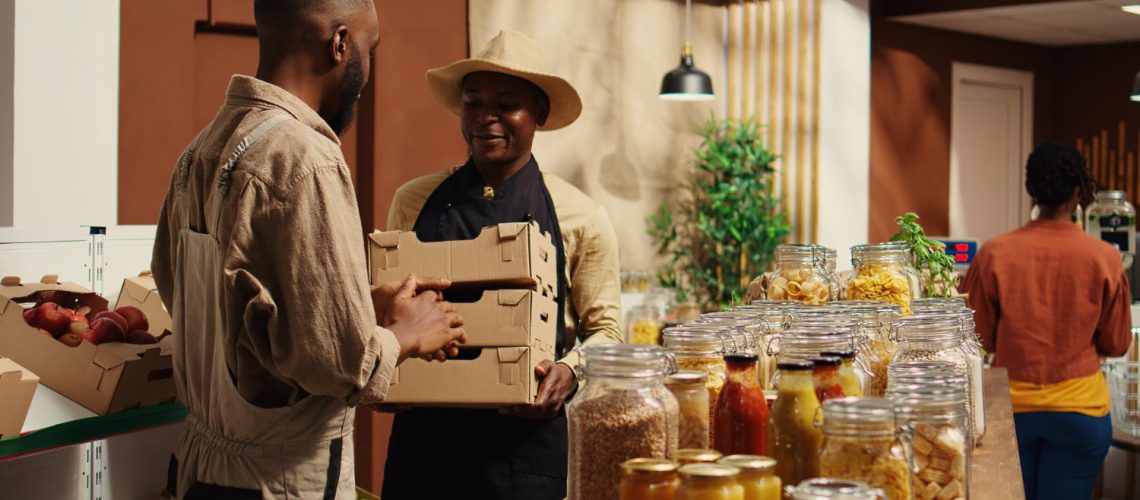
Bulk food sharing involves buying staple items such as rice, beans, grains, cooking oil, and other essentials in large quantities at discounted rates. These goods are then divided among participants, often families or neighbors, allowing each household to benefit from lower prices without needing to purchase excessive amounts individually.
This practice can occur informally among friends and neighbors or through organized cooperatives and community groups.
Reducing the Cost of Living
One of the most immediate benefits of bulk food sharing is cost savings. Buying in bulk typically reduces the per-unit price of goods, making essential items more affordable. For low- and middle-income households, this can significantly ease financial pressure.
In places like Lagos and other urban centers, where food prices can fluctuate, bulk purchasing helps communities stabilize their expenses and better manage their budgets.
Strengthening Community Bonds
Bulk food sharing encourages collaboration and trust. Neighbors come together, pool resources, and make collective decisions about what to buy and how to distribute it. This fosters a sense of unity and shared responsibility.
Such cooperation often extends beyond food. Communities that engage in bulk sharing are more likely to support each other in other ways, such as sharing information, offering assistance during emergencies, or organizing local initiatives.
Reducing Food Waste
When food is purchased and distributed thoughtfully, there is less likelihood of waste. Bulk sharing allows communities to plan consumption more effectively, ensuring that food is used before it spoils.
This aligns with global efforts by organizations like the Food and Agriculture Organization, which emphasizes reducing food loss and waste as a key step toward sustainable food systems.
Improving Food Security
Food security, consistent access to enough nutritious food, is a major concern in many regions. Bulk food sharing helps address this by making staple foods more accessible and affordable.
Community-based food sharing systems can act as informal safety nets. When one household faces difficulty, others in the group can offer support, ensuring no one is left without basic necessities. This mirrors the goals of organizations such as the World Food Programme, which works globally to combat hunger.
Encouraging Local Economic Growth
Bulk food sharing often involves sourcing products from local farmers, markets, or wholesalers. This supports local businesses and keeps money circulating within the community.
In rural and semi-urban areas, this practice can directly benefit farmers by providing them with consistent demand for their produce, reducing reliance on middlemen and improving their income stability.
Promoting Financial Discipline
Participating in a bulk food group requires planning, budgeting, and coordination. Members learn to manage their finances more effectively, prioritize essential purchases, and avoid impulsive spending.
Over time, these habits contribute to greater financial stability at the household level.
Challenges to Consider
While bulk food sharing offers many benefits, it also comes with challenges:
- Storage issues: Not all households have adequate space to store bulk items.
- Coordination: Organizing group purchases requires trust and effective communication.
- Initial costs: Bulk buying may require higher upfront payments, which can be difficult for some participants.
However, with proper planning and cooperation, these challenges can be managed successfully.
Conclusion
Bulk food sharing is more than just a cost-saving strategy, it is a community-driven solution that promotes resilience, cooperation, and sustainability. By working together, individuals can reduce expenses, minimize waste, and ensure that everyone has access to essential food supplies.
In an era where economic pressures are increasing, simple practices like bulk food sharing remind us that collective action can make a meaningful difference at the local level.
