

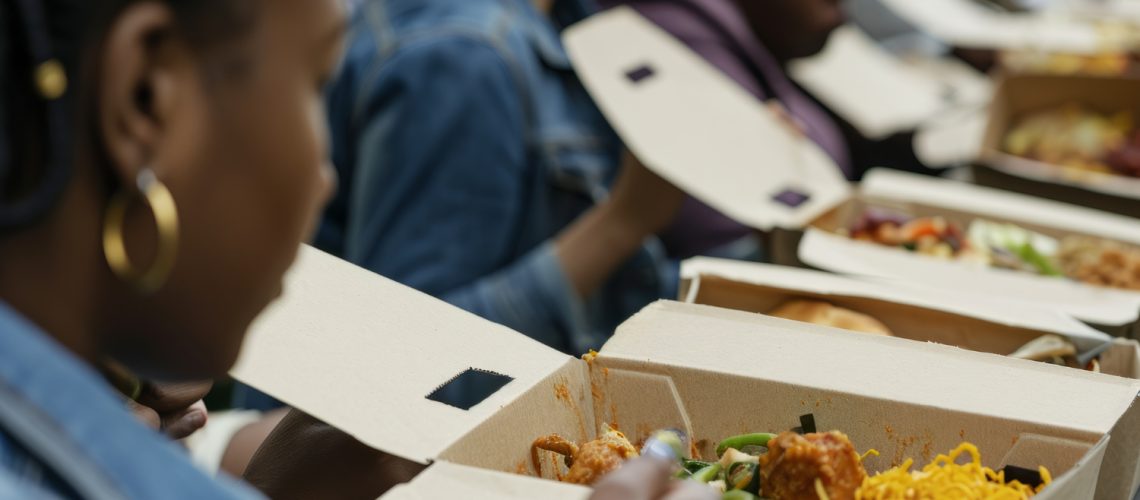
In an era of rising food prices and growing awareness about sustainability, families are increasingly turning to shared bulk food practices as a smart and practical solution.
What was once a strategy used mainly by large households or rural communities has now evolved into a modern trend embraced by urban families, friends, and even entire neighborhoods.
The Rise of Shared Bulk Buying
Shared bulk food purchasing involves multiple households pooling resources to buy food items in large quantities. Instead of one family purchasing a small, more expensive portion, several families collaborate to buy wholesale-sized products and divide them among themselves. This approach significantly reduces costs while ensuring everyone benefits from quality supplies.
The shift toward this model has been driven by economic pressures, especially in cities where the cost of living continues to rise. Families are looking for ways to stretch their budgets without compromising on nutrition, and shared bulk buying offers a compelling answer.
Financial Benefits That Add Up
One of the most immediate advantages of shared bulk food purchasing is cost savings. Buying in bulk often comes with discounts, lower per-unit prices, and fewer trips to the store. When families split these purchases, they enjoy wholesale benefits without the burden of overstocking.
For example, staples such as rice, beans, flour, cooking oil, and frozen foods are often significantly cheaper when bought in large quantities. By sharing these purchases, families can allocate their savings to other essential needs like education, healthcare, or savings.
Reducing Food Waste
Another powerful benefit of shared bulk buying is its role in minimizing food waste. When individuals buy more than they can consume, spoilage becomes a real issue. However, when bulk items are distributed among multiple households, the chances of food going bad decrease dramatically.
Families can plan better, store appropriately, and consume what they need without excess. This not only saves money but also contributes to environmental sustainability by reducing unnecessary waste.
Strengthening Community Bonds
Beyond the financial and environmental benefits, shared bulk food initiatives are fostering stronger social connections. Families who participate in these systems often build trust, improve communication, and develop a sense of collective responsibility.
In many communities, shared purchasing has evolved into informal cooperatives. Neighbors organize buying schedules, share transportation costs, and even rotate responsibilities. These interactions help strengthen relationships and create support systems that go beyond just food.
Adapting to Modern Lifestyles
Technology has made shared bulk buying more accessible than ever. Messaging apps, social media groups, and digital payment platforms allow families to coordinate purchases with ease. A simple group chat can help organize orders, track contributions, and schedule distribution.
In busy urban environments, where time is limited, this level of coordination ensures efficiency without adding stress. Some families even combine bulk buying with meal planning, making weekly cooking faster and more organized.
Challenges to Consider
While the benefits are clear, shared bulk food systems are not without challenges. Coordination can sometimes be difficult, especially when dealing with different preferences, budgets, or schedules. Trust is also essential, as financial contributions and fair distribution must be handled transparently.
Storage can be another concern. Bulk items require adequate space and proper conditions to maintain freshness. Families need to plan ahead to ensure they can store their share safely.
The Future of Shared Food Systems
As economic and environmental concerns continue to shape consumer behavior, shared bulk food purchasing is likely to grow even further. It represents a shift toward smarter consumption, where collaboration replaces excess and efficiency replaces waste.
For many families, this approach is more than just a cost-saving strategy, it’s a lifestyle choice that promotes sustainability, community, and resilience.
Conclusion
Shared bulk food purchasing is transforming how families approach everyday living. By combining resources, reducing waste, and building stronger community ties, families are discovering a more efficient and meaningful way to manage their food needs. In a world where every resource counts, this simple yet powerful practice is proving to be a step in the right direction.
