

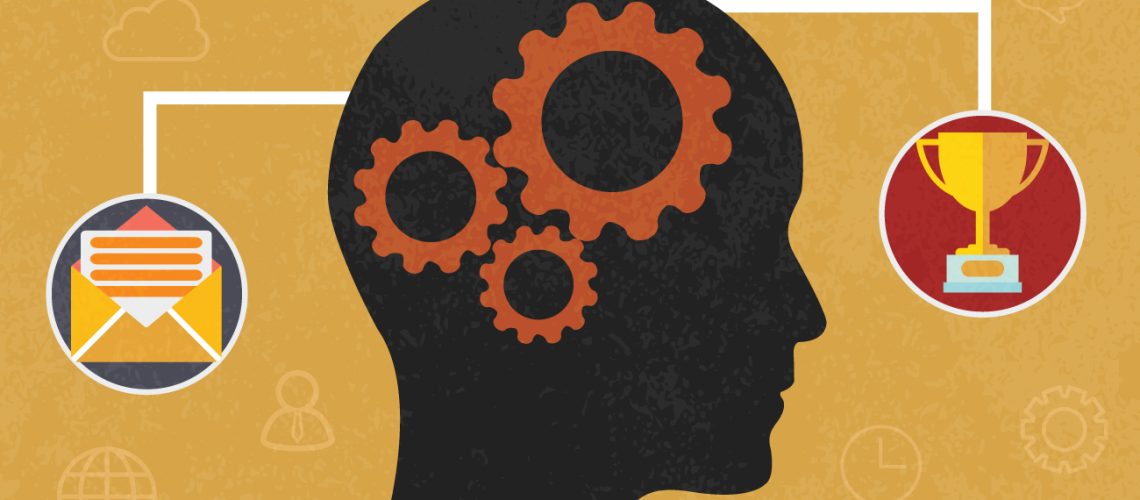
Success is often attributed to talent, luck, education, or opportunity.
While these factors do play important roles, one of the most powerful and consistent predictors of success is mindset. The way a person thinks about challenges, failure, effort, and growth can significantly influence the outcomes they achieve in life. Mindset does not just shape how people see the world, it shapes how they act within it.
Understanding Mindset
Mindset refers to the beliefs and attitudes individuals hold about themselves and their abilities. It influences how people interpret experiences and how they respond to obstacles. Psychologist Carol Dweck popularized the concept by identifying two primary types of mindset: fixed mindset and growth mindset.
A fixed mindset is the belief that abilities, intelligence, and talents are static. People with this mindset often think success is something you are born with rather than something you develop. As a result, they tend to avoid challenges, fear failure, and give up easily when things become difficult.
A growth mindset, on the other hand, is the belief that abilities can be developed through effort, learning, and persistence. People with this mindset see challenges as opportunities, embrace feedback, and treat failure as a stepping stone rather than a stopping point.
How Mindset Influences Behavior
Mindset plays a direct role in shaping behavior, and behavior ultimately determines results. For example, two individuals with similar abilities may achieve very different outcomes depending on their mindset.
Someone with a fixed mindset may avoid difficult tasks to protect their ego. If they fail, they interpret it as evidence that they are not good enough. This often leads to avoidance, anxiety, and stagnation.
In contrast, someone with a growth mindset is more likely to take on challenges. If they fail, they analyze what went wrong and try again with improved strategies. Over time, this persistence leads to skill development and improved performance.
This difference in behavior compounds over time. Small daily decisions, whether to try again, study harder, or persist through difficulty, accumulate into major differences in success.
The Role of Failure in Success
Failure is unavoidable in any meaningful pursuit. What separates successful individuals from others is not the absence of failure, but their response to it.
A fixed mindset interprets failure as final. It becomes a label: “I am not good at this.” This mindset can discourage effort and reduce motivation.
A growth mindset interprets failure as feedback. Instead of asking, “What does this say about me?” the individual asks, “What can I learn from this?” This shift in interpretation transforms failure into a valuable tool for improvement.
Many of the world’s most successful entrepreneurs, athletes, and innovators have failed repeatedly before achieving success. Their progress was not defined by avoiding failure, but by learning from it.
Mindset and Resilience
Resilience is the ability to recover from setbacks, and it is closely tied to mindset. Life inevitably presents obstacles, financial difficulties, academic pressure, career setbacks, or personal struggles. A person’s mindset determines whether these obstacles become stopping points or stepping stones.
With a growth mindset, challenges are expected and accepted as part of the journey. This acceptance builds emotional strength and persistence. Over time, resilient individuals become better equipped to handle stress and adapt to change.
How Mindset Affects Goals and Achievement
Goals are important, but mindset determines how those goals are pursued. Two people may set the same goal, but their approach can differ dramatically based on their mindset.
A fixed mindset may lead to unrealistic expectations of immediate success. When progress is slow, motivation fades. A growth mindset, however, focuses on continuous improvement rather than instant results. Progress is measured in learning, not perfection.
This long-term perspective increases the likelihood of sustained effort, which is essential for achieving meaningful goals.
Developing a Growth Mindset
The encouraging reality is that mindset is not fixed, it can be developed. Shifting from a fixed mindset to a growth mindset requires awareness and practice.
One important step is reframing challenges. Instead of seeing difficulty as a threat, it can be viewed as an opportunity to learn. Another step is embracing effort. Effort should not be seen as a sign of weakness but as the pathway to mastery.
It is also important to welcome feedback. Constructive criticism provides valuable insights for improvement. Instead of defending mistakes, individuals with a growth mindset analyze them.
Finally, celebrating progress rather than perfection helps reinforce positive habits. Recognizing small improvements builds motivation and confidence over time.
Conclusion
Mindset is not just a psychological concept, it is a practical force that shapes behavior, decisions, and ultimately success. While talent and opportunity matter, they are often amplified or limited by mindset.
A fixed mindset can trap individuals in fear, avoidance, and stagnation. A growth mindset, however, opens the door to learning, resilience, and continuous improvement.
Success is rarely the result of one major breakthrough. More often, it is the outcome of consistent effort, learning from failure, and refusing to give up. And at the center of all these habits lies mindset.
