

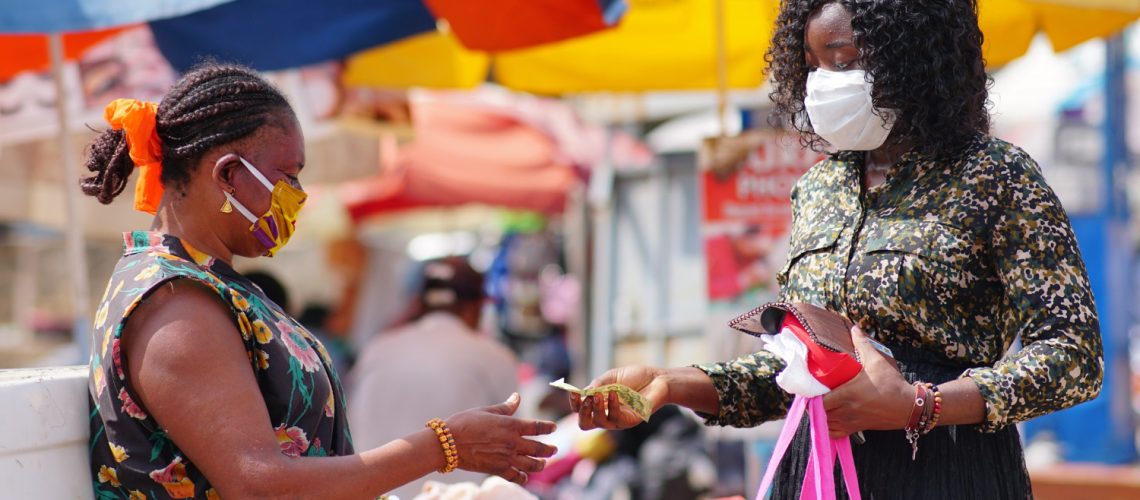
Introduction: The Thrill of the Market
Walking through a bustling African market is an experience like no other. The aroma of spices, the chatter of vendors, the colorful displays of fresh produce and handmade crafts, it’s sensory overload. But beyond the sights and sounds lies an art that every market-goer must master: bargaining.
Bargaining isn’t just about paying less; it’s about understanding value, reading people, and engaging in a cultural exchange. From the markets of Lagos, Nigeria, to Kibuye Market in Nairobi, Kenya, and Makola Market in Accra, Ghana, negotiation is an essential part of daily life.
1. Understand the Market Culture
Before you even attempt to haggle, it’s important to understand the market culture. In many African markets, bargaining is expected and often enjoyable for both parties.
-
In Lagos’ Balogun Market, vendors anticipate customers negotiating for textiles and fabrics.
-
At Makola Market in Accra, haggling over fresh produce is part of the rhythm of life.
-
In Nairobi’s Maasai Market, every bead, scarf, or artwork has room for negotiation.
Knowing this sets the right mindset: it’s not confrontation, it’s conversation.
2. Do Your Homework
Knowledge is power. Before negotiating, know the typical price range of what you want to buy. This will prevent you from being overcharged.
-
Ask locals or other shoppers about typical prices.
-
Observe what others pay for similar items.
-
Check multiple stalls for the same product to understand its market value.
Being informed makes you confident and less likely to accept the first price offered.
3. Start Lower, But Reasonably
A common bargaining tactic is to start lower than the price you’re willing to pay, giving room for compromise. But keep it reasonable, too low can be seen as disrespectful.
For example, if a vendor in Accra quotes GH₵50 for a handwoven basket, you might start at GH₵30, expecting to meet somewhere in the middle. The goal is a fair price, not an insult.
4. Use Polite and Friendly Communication
Negotiation in African markets is as much about people skills as numbers. Smile, be polite, and engage in conversation. Ask questions about the product, compliment craftsmanship, and show interest.
-
Friendly banter often makes the vendor more willing to reduce the price.
-
Avoid appearing desperate or impatient, as this can reduce your leverage.
Remember, bargaining is a social interaction, not a battle.
5. Be Ready to Walk Away
Sometimes, the best tactic is simply walking away. Vendors often call you back with a better offer. This strategy works especially well in busy markets where every stall has competitors.
-
In Lagos’ Balogun Market, walking away from a textile stall often prompts a quick discount.
-
At Nairobi’s Maasai Market, vendors know you have options and may lower the price to secure the sale.
It’s a psychological tactic: demonstrating that you won’t settle for an unfair price.
6. Know When to Close the Deal
Once you’ve reached a price that feels fair, seal the deal confidently. Vendors respect decisiveness and honesty. Over-bargaining can frustrate them and damage relationships, especially if you’re a regular customer.
In markets across Africa, a smile, handshake, or nod often signals mutual respect and satisfaction for both parties.
Conclusion: Mastering the Market
Bargaining in African markets is an art form, one that blends culture, psychology, and communication. By understanding market culture, doing your homework, negotiating politely, and knowing when to walk away, you can secure fair prices while enjoying the vibrant market experience.
So next time you visit Balogun, Makola, or Maasai Market, don’t just shop, engage, learn, and negotiate like a pro. The thrill of the deal is just as rewarding as the product itself.
