

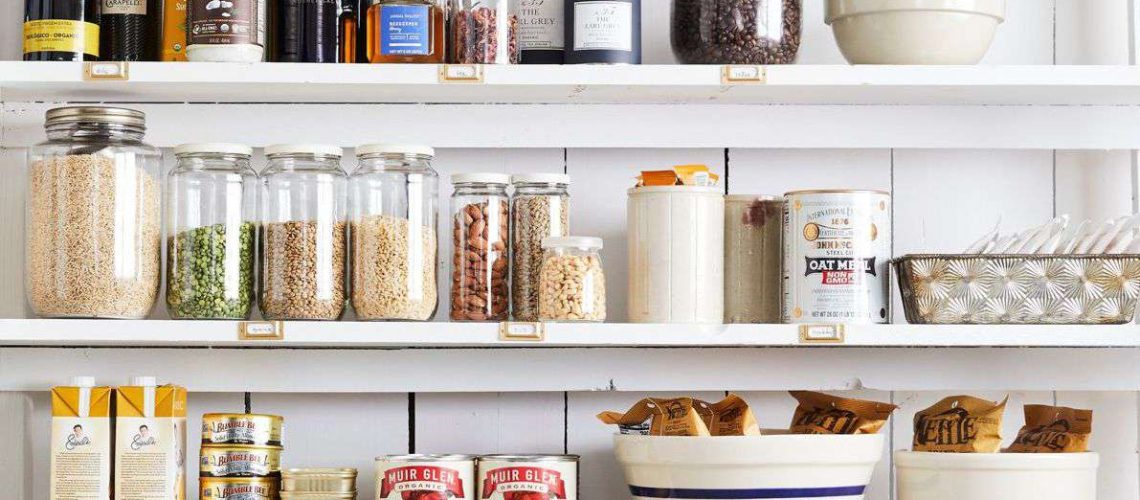
How to Organize Your Pantry to Save Time, Reduce Waste, and Simplify Everyday Cooking
A well-organized pantry does more than look neat, it makes daily life easier.
Many households struggle with forgotten food, duplicate purchases, and last-minute grocery runs simply because their pantry isn’t set up efficiently. When items are hard to see or poorly arranged, cooking becomes stressful and food waste increases. An efficient pantry setup turns your kitchen into a system that supports you. It helps you cook faster, shop smarter, and always know what you have at home.
Here’s how to build a pantry that works for real life.
Why Pantry Efficiency Matters
An inefficient pantry often leads to:
-
Buying items you already own
-
Food expiring unnoticed
-
Longer meal preparation time
-
Cluttered kitchen spaces
-
Increased grocery spending
A well-structured pantry helps you:
-
Save money
-
Reduce food waste
-
Plan meals easily
-
Maintain a calm, functional kitchen
Efficiency is not about perfection, it’s about accessibility and clarity.
Step 1: Empty and Reset Your Pantry
Before organizing, start fresh.
Remove everything from shelves and:
-
Check expiration dates
-
Discard spoiled or stale items
-
Group similar foods together
-
Clean shelves thoroughly
This reset allows you to see what you actually use and what you don’t.
Step 2: Create Functional Food Zones
Organizing by category makes items easy to find and restock.
Common pantry zones include:
Staples Zone
-
Rice, pasta, flour, grains, and legumes
Cooking Essentials
-
Oils, spices, seasonings, sauces
Breakfast Items
-
Cereals, oats, tea, coffee
Snacks
-
Biscuits, nuts, packaged snacks
Canned & Jarred Foods
-
Tomatoes, beans, soups
When everything has a designated area, searching disappears.
Step 3: Use the FIFO Method (First In, First Out)
Efficiency depends on food rotation.
Always place:
-
Older items in front
-
Newly purchased items at the back
This simple habit prevents expiration and reduces waste, a method used in professional kitchens worldwide.
Step 4: Choose Practical Storage Containers
You don’t need expensive organizers, but proper containers make a big difference.
Best practices:
-
Use airtight containers for grains and flour
-
Transparent containers help you see quantities quickly
-
Stackable containers maximize shelf space
-
Label containers with purchase or refill dates
Containers protect food from moisture, pests, and spills.
Step 5: Arrange by Frequency of Use
Place items based on how often you use them.
Eye-Level Shelves
-
Everyday essentials
Lower Shelves
-
Heavy or bulk items
Higher Shelves
-
Occasional or backup supplies
This layout reduces unnecessary movement and saves time during cooking.
Step 6: Make Inventory Visible
One of the biggest efficiency upgrades is knowing what you have without searching.
Try:
-
A small pantry checklist on the door
-
A whiteboard for items running low
-
Simple digital grocery lists shared with family members
Visibility prevents overbuying and supports smarter shopping.
Step 7: Plan for Bulk Buying
If you buy in bulk, create a system for managing surplus.
-
Store bulk goods in sealed containers
-
Keep refill containers in daily-use areas
-
Divide large quantities into smaller portions
Bulk buying only saves money when storage supports usage.
Step 8: Maintain a Weekly Pantry Routine
Efficiency comes from maintenance, not one-time organization.
Once a week:
-
Check low items
-
Rotate products forward
-
Wipe shelves quickly
-
Update your shopping list
A five-minute weekly check prevents future chaos.
Common Pantry Mistakes to Avoid
-
Overcrowding shelves
-
Keeping food in original torn packaging
-
Mixing unrelated items together
-
Ignoring expiration dates
-
Buying without checking inventory first
Small mistakes gradually create big inefficiencies.
Benefits of an Efficient Pantry Setup
When your pantry works well, you’ll notice:
-
Faster meal preparation
-
Less food waste
-
Reduced grocery bills
-
Fewer stressful cooking moments
-
Better household organization overall
Your kitchen begins to feel predictable and manageable.
Final Thoughts
An efficient pantry isn’t about aesthetic organization or perfectly matching containers. It’s about building a system that supports everyday living. When food is visible, organized, and easy to access, cooking becomes smoother and grocery shopping becomes intentional instead of reactive.
Start small. Create zones. Rotate your food. Maintain simple routines. Over time, your pantry will shift from a storage space into a reliable system that saves time, money, and energy every single week.
