

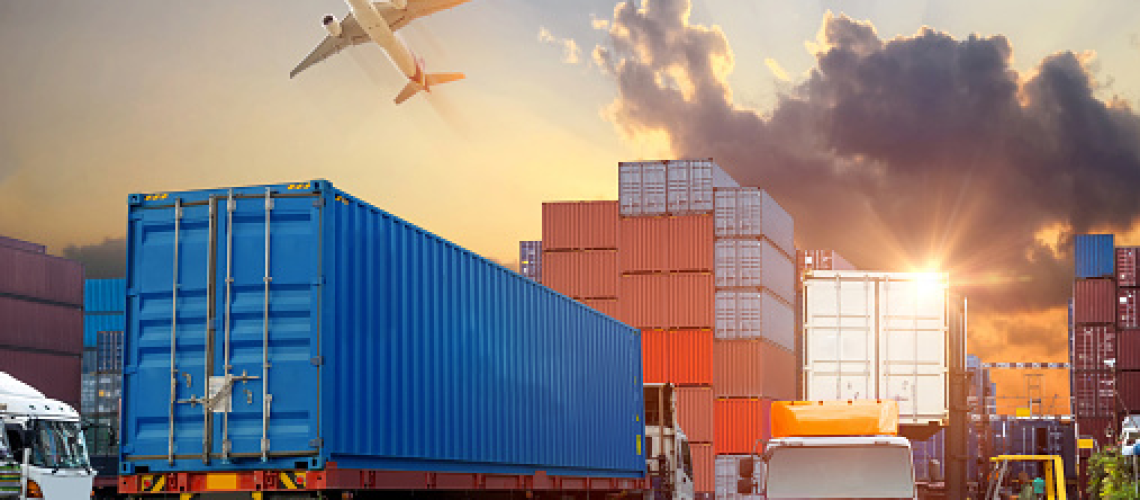
In Nigeria and across Africa, delivery operations have evolved rapidly to meet the growing demand for e-commerce, food delivery, and essential services.
From parcels to groceries, deliveries have become part of everyday life, but behind each “Your package has been delivered” notification lies a complex system of logistics, technology, and human effort. Let’s explore the world of delivery operations with a local perspective.
1. Order Processing: Where it All Begins
Every delivery starts when a customer places an order. Nigerian e-commerce platforms like Jumia, Konga, and PayPorte use digital systems to instantly validate payments, check stock, and prepare items for dispatch. For food deliveries, apps like Gokada Food and Bolt Food handle real-time restaurant orders, ensuring meals reach customers while still fresh.
In Africa, mobile money platforms and POS systems make payments seamless, even in regions where traditional banking is limited. This integration ensures that customers can order with confidence and businesses can process orders efficiently.
2. Warehousing and Sorting: Organizing for Speed
Once an order is confirmed, it moves to a warehouse or fulfillment center. Nigerian delivery companies often use centralized hubs in major cities like Lagos, Abuja, and Port Harcourt, while smaller parcels may go through local sorting points.
Technology such as barcode scanners, mobile inventory apps, and conveyor systems helps manage thousands of packages daily. However, in many areas, warehouses still rely heavily on human labor due to the high cost of automation, making staff efficiency critical to timely deliveries.
3. Last-Mile Delivery: The Real Challenge
The “last mile”, getting a package from a hub to a customer’s doorstep, is often the trickiest and most expensive part of delivery operations. Local factors such as traffic congestion in Lagos, unclear street addresses, and poor road infrastructure make this stage particularly challenging.
To overcome these hurdles, Nigerian companies have adopted creative solutions:
-
Motorcycle and tricycle deliveries for congested urban areas.
-
Third-party courier services like GIG Logistics, DHL Nigeria, and CourierPlus for national and interstate deliveries.
-
Crowdsourced delivery platforms such as Max.ng and Lori Systems, which connect freelance drivers with delivery tasks.
These approaches ensure packages reach even hard-to-access neighborhoods efficiently.
4. Technology Driving Local Delivery
Technology is at the heart of modern African delivery operations. Real-time tracking via mobile apps keeps customers informed, while route optimization software helps drivers avoid traffic and reach destinations faster.
Companies also use predictive analytics to anticipate peak demand periods, like during festive seasons or after online sales, allowing them to scale delivery capacity and avoid bottlenecks. For instance, during Black Friday sales, platforms like Jumia often see a 3–5x increase in delivery volume.
5. The Human Factor: Workforce and Logistics
Despite technological advances, the human workforce remains indispensable. Drivers, warehouse staff, and delivery agents navigate complex city layouts, unreliable addresses, and sometimes security challenges. Training, safety measures, and fair compensation are critical to maintaining reliability.
Delivery workers in Nigeria often face additional challenges such as harsh weather, theft risks, and inconsistent road conditions. Companies are increasingly introducing incentives and performance bonuses to motivate staff and retain talent.
6. Sustainability and Innovation
With rising delivery volumes, sustainability has become a key focus. Some Nigerian startups are exploring electric motorcycles and bikes, reusable packaging, and optimized delivery routes to reduce fuel consumption.
Innovative solutions, like drone deliveries being tested in parts of Africa for medical supplies and essential goods, hint at the potential for faster, greener logistics in the near future.
7. What the Future Holds
The future of delivery operations in Africa looks dynamic. Autonomous vehicles, AI-driven logistics, and drone deliveries could revolutionize the industry. At the same time, the continued growth of mobile apps, e-commerce, and local courier startups will ensure that even in rural areas, reliable delivery becomes increasingly accessible.
Conclusion
Delivery operations in Nigeria and Africa are a complex mix of technology, human effort, and local problem-solving. From bustling Lagos streets to remote towns, companies adapt to ensure packages arrive safely and on time. By understanding the challenges and innovations behind these operations, we gain a deeper appreciation for the people and systems that keep African commerce moving efficiently.
