

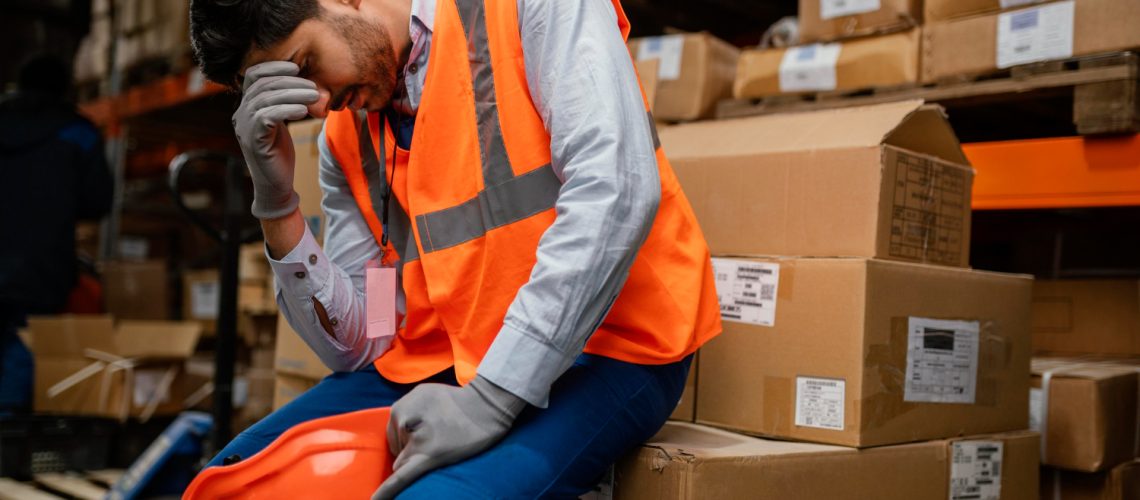
For many small businesses, logistics is treated as a background activity, something that simply “happens” after a sale is made.
But in reality, logistics can determine whether a business thrives or struggles. Delays, damaged goods, poor inventory management, and rising transport costs can quickly eat into profits and damage customer trust.
Here are some of the most common logistics mistakes small businesses make, and how to avoid them.
1. Poor Inventory Management
One of the biggest mistakes small businesses make is failing to track inventory accurately. Some businesses rely on guesswork or manual records, leading to:
-
Overstocking slow-moving products
-
Running out of high-demand items
-
Tied-up capital in unsold goods
Without a proper inventory system, cash flow suffers. Overstocking increases storage costs, while stockouts frustrate customers and send them to competitors.
Solution:
Use inventory management software or even a well-organized digital spreadsheet. Track sales trends and reorder based on data, not assumptions.
2. Underestimating Delivery Costs
Many small businesses price their products without fully calculating delivery and handling costs. Fuel price fluctuations, packaging materials, and courier charges can significantly reduce profit margins.
In places like Lagos or other busy cities, traffic congestion and fuel scarcity can double delivery time and cost. If this isn’t factored into pricing, the business ends up absorbing the loss.
Solution:
Include logistics costs in your pricing structure. Review delivery expenses monthly and adjust accordingly.
3. Choosing the Wrong Delivery Partner
Selecting a delivery company solely based on the cheapest rate is risky. Poor service, lost packages, or late deliveries can damage your brand reputation. For example, while large global companies like DHL are known for reliability, smaller local couriers may vary significantly in service quality. The key is not size, but consistency and accountability.
Solution:
Test delivery partners before committing. Track delivery time, package condition, and customer feedback.
4. Ignoring Packaging Quality
Weak or inappropriate packaging leads to damaged goods, returns, and refunds. This not only increases costs but also erodes customer confidence. Many small businesses try to cut costs by using low-quality cartons or skipping protective materials. In the long run, this becomes more expensive.
Solution:
Invest in durable, right-sized packaging. Consider branding your packaging, it enhances professionalism and customer experience.
5. No Clear Return Policy
Returns are part of business. However, some small businesses have no defined return or refund process. This creates confusion, disputes, and distrust.
Without a clear policy:
-
Staff handle returns inconsistently
-
Customers feel mistreated
-
Losses increase due to poor documentation
Solution:
Create a simple, transparent return policy. Make it accessible to customers before they buy.
6. Lack of Route Planning
For businesses handling their own deliveries, poor route planning wastes time and fuel. Drivers may travel back and forth unnecessarily, especially in high-traffic areas. In urban centers, poor planning can turn a 2-hour delivery schedule into a full-day operation.
Solution:
Plan delivery routes in advance. Group deliveries by area and use mapping tools to optimize travel time.
7. Scaling Too Fast Without Systems
Growth is exciting, but rapid expansion without proper logistics systems can cause chaos. More orders mean:
-
More inventory pressure
-
More delivery coordination
-
Higher error rates
If systems aren’t in place, customer satisfaction drops just when the business is gaining attention.
Solution:
Strengthen processes before scaling. Automate where possible and hire logistics support as volume increases.
8. Failing to Monitor Performance Metrics
Many small businesses do not track logistics performance. Without data, it’s impossible to improve.
Key metrics to monitor include:
-
Delivery time
-
Order accuracy rate
-
Return rate
-
Cost per delivery
Tracking these numbers helps identify inefficiencies early.
9. Not Communicating With Customers
Silence during delivery delays can frustrate customers more than the delay itself. Customers appreciate updates, even bad news, when it’s communicated early. In the age of online shopping and platforms like Amazon, customers expect tracking information and proactive communication.
Solution:
Provide order confirmations, tracking updates, and estimated delivery times. Even simple SMS updates can significantly improve trust.
Final Thoughts
Logistics is not just about moving goods, it’s about protecting your brand, maintaining profitability, and building customer loyalty.
Small businesses that treat logistics strategically, rather than as an afterthought, gain a competitive advantage. By improving inventory management, controlling delivery costs, choosing reliable partners, and communicating clearly, businesses can reduce waste and increase customer satisfaction.
In the end, strong logistics systems turn one-time buyers into repeat customers, and that is the foundation of sustainable growth.
