

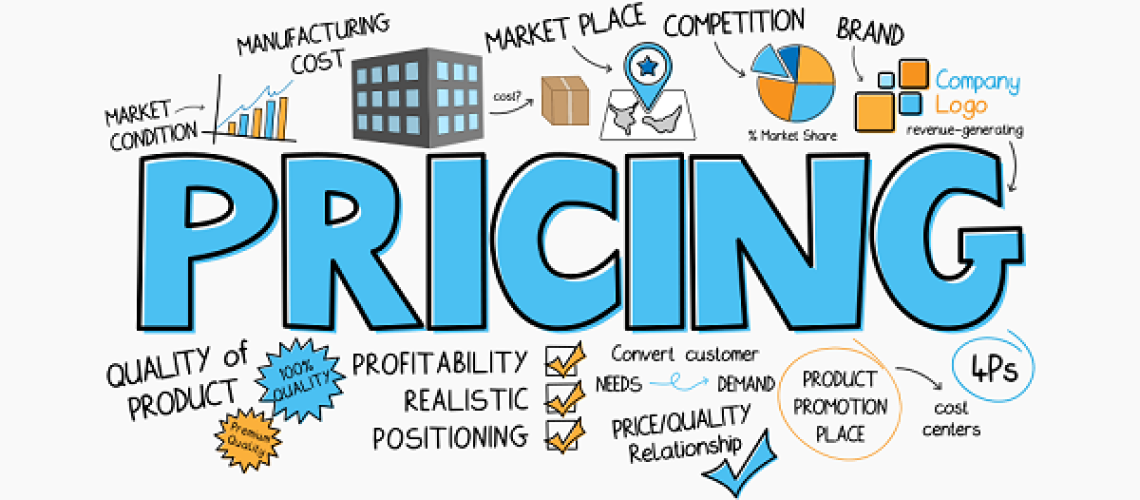
Pricing is one of the most powerful tools in business.
It directly affects profitability, customer perception, and competitive positioning. Yet, many businesses treat pricing as a simple markup rather than a strategic decision. In reality, effective pricing requires careful analysis, clear goals, and an understanding of customer behavior.
This article explains key market pricing strategies, how they work, and when to use them.
What Is a Pricing Strategy?
A pricing strategy is the method a business uses to set the price of its products or services. It reflects factors such as production costs, target market, competition, and overall business objectives.
Importantly, pricing is not just about covering costs, it also communicates value. A low price can signal affordability, while a high price can suggest premium quality.
1. Cost-Plus Pricing
Cost-plus pricing is one of the simplest approaches. Businesses calculate the cost of producing a product and then add a fixed percentage as profit.
Example:
If a product costs $10 to produce and the business adds a 30% markup, the selling price becomes $13.
Advantages:
-
Easy to calculate
-
Ensures costs are covered
-
Predictable profit margins
Disadvantages:
-
Ignores customer demand
-
Overlooks competitor pricing
-
May result in overpricing or underpricing
This strategy works best for small businesses or industries with stable costs.
2. Competitive Pricing
With competitive pricing, businesses set prices based on what competitors charge. They may price slightly lower, equal to, or higher than competitors depending on their positioning.
Advantages:
-
Keeps you relevant in the market
-
Helps attract price-sensitive customers
Disadvantages:
-
Limits profit margins
-
Can trigger price wars
This approach is common in crowded markets like retail, telecom, and e-commerce.
3. Value-Based Pricing
Value-based pricing focuses on what customers are willing to pay rather than the cost of production. Businesses set prices based on perceived value.
Advantages:
-
Maximizes profit potential
-
Builds strong brand positioning
Disadvantages:
-
Requires deep market research
-
Difficult to measure perceived value accurately
Luxury brands and premium service providers often use this strategy effectively.
4. Penetration Pricing
Penetration pricing involves setting a low initial price to enter a competitive market and attract customers quickly. Once market share is established, prices may increase.
Advantages:
-
Rapid customer acquisition
-
Strong market entry strategy
Disadvantages:
-
Low initial profits
-
Customers may resist future price increases
This strategy is common among startups and new product launches.
5. Price Skimming
Price skimming is the opposite of penetration pricing. Businesses start with a high price and gradually lower it over time.
Advantages:
-
Maximizes early profits
-
Targets high-paying customers first
Disadvantages:
-
May attract competitors
-
Can alienate price-sensitive customers
This works well for innovative or technology-driven products.
6. Psychological Pricing
Psychological pricing uses human behavior to influence buying decisions. For example, pricing a product at $9.99 instead of $10 makes it seem cheaper.
Common tactics include:
-
Charm pricing (e.g., 99 endings)
-
Bundle pricing
-
Anchoring (showing a higher original price)
Advantages:
-
Boosts sales without major price changes
-
Influences perception effectively
Disadvantages:
-
May lose effectiveness if overused
7. Dynamic Pricing
Dynamic pricing adjusts prices in real time based on demand, supply, or customer behavior.
Examples include:
-
Ride-hailing surge pricing
-
Airline ticket pricing
-
Hotel rates
Advantages:
-
Maximizes revenue
-
Responds quickly to market changes
Disadvantages:
-
Can frustrate customers
-
Requires advanced technology
8. Premium Pricing
Premium pricing sets prices higher than competitors to create an image of exclusivity and superior quality.
Advantages:
-
Strong brand identity
-
Higher profit margins
Disadvantages:
-
Requires strong brand trust
-
Limited target audience
This strategy works best when the product clearly delivers superior value.
Choosing the Right Pricing Strategy
No single strategy fits every business. The best approach depends on several factors:
-
Target market: Are your customers price-sensitive or quality-focused?
-
Business goals: Do you want rapid growth or high margins?
-
Competition: How crowded is your market?
-
Product type: Is it a necessity or a luxury?
In many cases, businesses combine multiple strategies. For example, they may use penetration pricing at launch and later shift to value-based pricing.
Final Thoughts
Pricing is more than a number, it is a strategic decision that shapes how customers perceive your brand and determines your long-term success. Businesses that understand and apply the right pricing strategies gain a significant competitive advantage.
By continuously analyzing market conditions and customer behavior, you can refine your pricing approach and maximize both sales and profitability.
