

Fresh fruits and vegetables are essential for healthy eating, yet they’re among the most wasted foods in many households. You buy tomatoes, leafy greens, peppers, bananas, or carrots with good intentions. A few days later, they’re soft, moldy, or forgotten at the back of the fridge.
This waste isn’t usually caused by carelessness. It happens because most homes lack simple food preservation systems. The good news? You don’t need expensive equipment or professional skills. With a few practical techniques and small habit changes, you can significantly extend the life of your produce.
This guide explains how to preserve fruits and vegetables at home using easy, proven methods.
Why Preserving Fruits and Vegetables Matters
Learning how to preserve produce offers real everyday benefits:
-
Reduces food waste
-
Saves money on groceries
-
Cuts down frequent shopping trips
-
Keeps ingredients available for cooking
-
Supports healthier eating habits
Preservation isn’t about perfection.
It’s about making food last long enough to be used.
Start with Proper Storage
Good preservation begins with correct storage.
Separate Ethylene-Producing Fruits
Some fruits release ethylene gas, which speeds ripening:
-
Bananas
-
Apples
-
Avocados
-
Tomatoes
Keep these away from sensitive produce such as:
-
Leafy greens
-
Carrots
-
Cucumbers
-
Peppers
This simple step can extend freshness by several days.
Keep Produce Dry
Moisture encourages mold growth.
-
Wash produce only when you’re ready to use it
-
Or wash, dry thoroughly, then store
Line containers with paper towels to absorb excess moisture.
Use Breathable Storage Containers
Choose:
-
Perforated produce bags
-
Containers with ventilation
-
Produce drawers in your refrigerator
Avoid sealing wet produce in airtight containers.
Know What Belongs in the Fridge (and What Doesn’t)
Refrigerate These:
-
Leafy greens
-
Broccoli
-
Carrots
-
Cauliflower
-
Grapes
-
Berries
Store at Room Temperature:
-
Tomatoes
-
Garlic
-
Potatoes
-
Bananas
-
Whole melons
Storing foods in the right place prevents texture loss and flavor damage.
Freezing: The Easiest Long-Term Preservation Method
Freezing stops spoilage and keeps nutrients intact.
Produce That Freezes Well:
-
Spinach
-
Peppers
-
Green beans
-
Carrots
-
Berries
-
Mango
-
Pineapple
How to Freeze Fruits and Vegetables
-
Wash and cut produce
-
Blanch vegetables for 1–2 minutes (optional but helpful)
-
Cool and dry thoroughly
-
Portion into freezer bags or containers
-
Label with name and date
Frozen produce can last 6 to 12 months.
Drying (Dehydration)
Drying removes moisture so bacteria and mold cannot grow.
Great for:
-
Tomatoes
-
Peppers
-
Herbs
-
Apples
-
Mango
Simple Home Drying Method
-
Slice thinly
-
Place on tray
-
Sun-dry or oven-dry on low heat
-
Store in airtight containers
Dried produce works well for soups, sauces, and snacks.
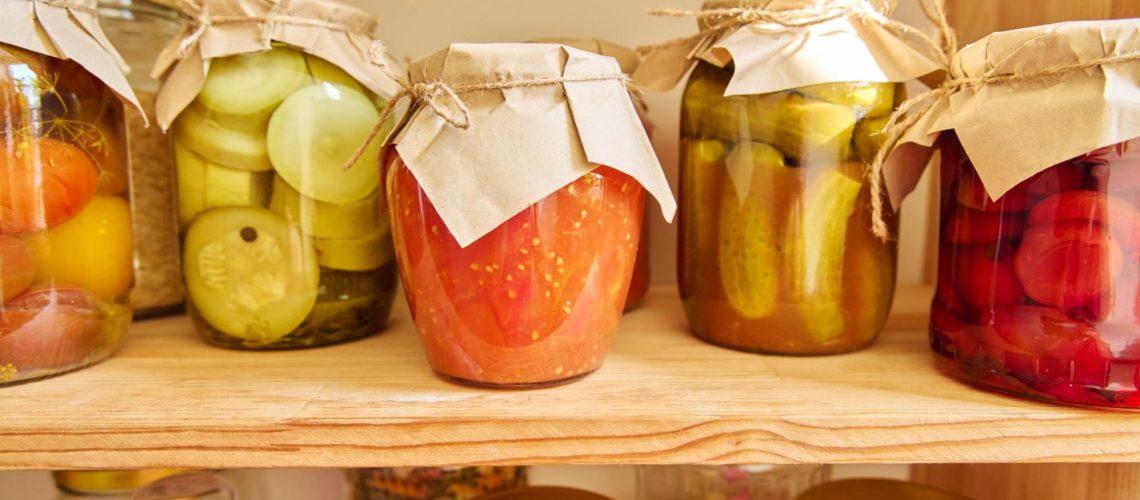
Pickling Vegetables
Pickling preserves produce in vinegar or salt brine.
Common pickled items:
-
Cucumbers
-
Carrots
-
Cabbage
-
Peppers
-
Onions
Basic pickling solution:
-
Vinegar
-
Water
-
Salt
-
Sugar (optional)
-
Spices
Refrigerated pickles can last several weeks to months.
Make Pastes and Purees
Turning produce into blends extends usability.
Examples:
-
Tomato paste
-
Pepper blend
-
Ginger-garlic paste
-
Herb paste
How to Store
-
Blend produce
-
Portion into ice cube trays or small containers
-
Freeze
You’ll have ready-to-use cooking bases anytime.
Short-Term Oil Preservation
Some items can be stored in oil:
-
Herbs
-
Roasted peppers
-
Garlic
Always refrigerate and use within 1–2 weeks.
Use the First-In, First-Out (FIFO) System
-
New groceries go to the back
-
Older items move to the front
-
Check your fridge weekly
This simple habit prevents forgotten food.
Portion Before Storing
Large piles spoil faster.
Instead:
-
Divide produce into meal-sized portions
-
Store separately
You only thaw or open what you need.
Create a Simple Weekly Preservation Routine
You don’t need to preserve everything at once.
Try this:
-
Sort produce after shopping
-
Decide what stays fresh, what freezes, what dries
-
Spend 20–30 minutes prepping
Small, consistent actions work better than occasional big efforts.
Common Mistakes to Avoid
-
Storing wet produce
-
Mixing fruits and vegetables together
-
Overcrowding containers
-
Forgetting to label frozen foods
Final Thoughts
Preserving fruits and vegetables at home isn’t complicated. It’s about building simple systems that save money, reduce waste, and make cooking easier.
Start with one method, build gradually and let your kitchen work for you, not against you.
