

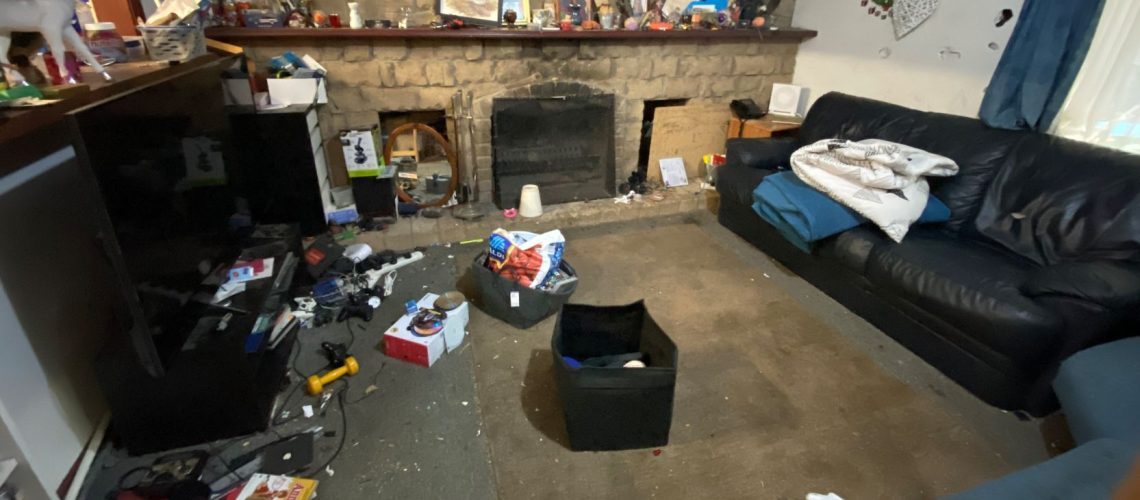
In many dual-income homes, the problem isn’t lack of love, commitment, or effort. It’s exhaustion. Two adults work full-time. Bills get paid. Responsibilities are shared, at least in theory. Yet one or both partners still feel constantly overwhelmed, resentful, or stretched thin.
This is domestic burnout, and it’s becoming increasingly common in dual-income households.
The good news? Burnout isn’t a personal failure. It’s usually a systems failure, and systems can be redesigned.
What Domestic Burnout Really Looks Like
Domestic burnout doesn’t always show up as chaos. Often, it looks like:
-
A clean home that still feels draining
-
Constant arguments about “small” things
-
One partner feeling like the household manager
-
Mental exhaustion even on days off
The work isn’t just physical, it’s cognitive and emotional.
Someone is always:
-
Remembering what needs to be done
-
Planning meals, errands, and schedules
-
Noticing what others don’t notice
That invisible work adds up fast.
1. Stop Dividing Tasks, Start Sharing Ownership
Many couples “split chores” but forget to split ownership.
For example:
-
One person cooks, the other “helps”
-
One person cleans, the other waits to be told
-
One person tracks needs, the other executes
This creates an imbalance where one partner becomes the manager and the other the assistant.
Practical shift:
Instead of assigning tasks, assign areas of ownership.
Ownership means:
-
Noticing when something needs to be done
-
Planning and executing without reminders
-
Solving problems within that area
For example:
“Laundry is yours” means from sorting to folding to knowing when detergent runs out.
2. Design the Home Around Energy, Not Ideal Standards
Many homes run on unspoken expectations:
-
What “clean enough” means
-
How often meals should be cooked
-
What a “good partner” should do
When both partners work full-time, holding onto idealized standards quietly drains energy.
Practical shift:
Have an honest conversation about:
-
What actually matters
-
What can be simplified
-
What can be done less often
A functional home beats a perfect one.
3. Reduce Daily Decisions With Simple Systems
Decision fatigue is a major driver of domestic burnout.
Questions like:
-
What are we eating today?
-
Who’s picking up what?
-
When will this get done?
Multiply those by 365 days, and burnout is inevitable.
Practical systems to try:
-
Rotating meal plans
-
Fixed shopping days
-
Shared digital calendars
-
Default routines for mornings and evenings
The goal isn’t rigidity, it’s relief.
4. Make the Invisible Work Visible
Burnout thrives where effort goes unseen.
If one partner is constantly planning, tracking, and anticipating needs, while the other only sees completed tasks, resentment builds.
Practical shift:
Do a simple “household workload check-in”:
-
List everything required to keep the home running
-
Include planning, remembering, and emotional labor
-
Redistribute based on capacity, not gender or habit
Awareness alone often reduces tension.
5. Allow Support Without Guilt
Many dual-income homes treat help as a luxury rather than a tool.
Outsourcing or accepting help may feel like failure, but it’s often the smartest move.
Support can include:
-
Paid help (cleaning, laundry, childcare when possible)
-
Family assistance
-
Automation (online shopping, bill payments)
Key mindset shift:
If help protects your health and relationship, it’s not indulgent, it’s strategic.
6. Schedule Rest Like a Responsibility
Rest often becomes the first thing sacrificed in busy households.
Yet without rest:
-
Patience disappears
-
Small issues become major conflicts
-
Partners stop enjoying each other
Practical shift:
Treat rest as non-negotiable:
-
Block rest time into the calendar
-
Protect at least one low-effort day or evening weekly
-
Respect each other’s need for recovery
A rested home is a kinder home.
A Healthier Definition of Partnership
Reducing domestic burnout isn’t about doing less, it’s about doing things differently.
A strong dual-income partnership isn’t one where:
-
Everything is perfectly balanced every day
It’s one where:
-
Systems absorb pressure
-
Responsibility is shared, not supervised
-
Both partners feel supported, not stretched
Final Thought
Burnout doesn’t mean your household is failing.
It means your current setup no longer fits your reality.
When both partners work, the home must work with them, not against them.
Design the home like a system.
Share ownership, reduce decisions, allow support, and protect rest.
Because a home should be a place of recovery, not another full-time job
