

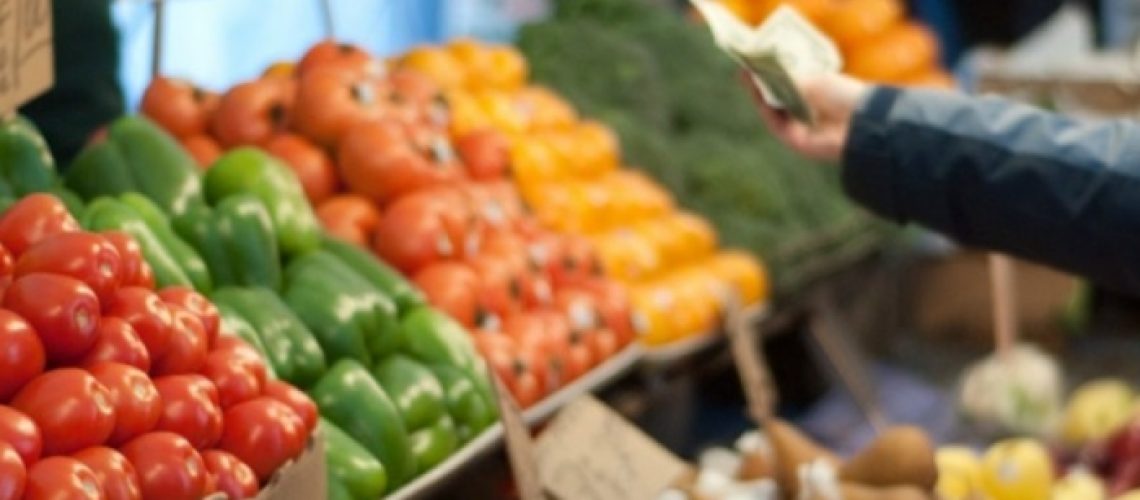
Rising food prices and economic uncertainty have pushed many communities to rethink how they buy food.
One increasingly popular solution is shared food purchasing. By pooling money and buying in bulk, families, friends, and neighbors can lower costs while building stronger community ties. Around the world, these cooperative approaches have produced impressive results, showing how simple collaboration can make a big difference in everyday life.
What Is Shared Food Purchasing?
Shared food purchasing is a system where a group of people buy food together instead of individually. The group pools their resources to purchase large quantities directly from farmers, wholesalers, or markets. After the purchase, the food is divided among members according to their contributions.
This method often leads to lower prices, fresher products, and reduced transportation costs. It also helps participants access foods that might otherwise be too expensive when purchased alone.
Community Buying Clubs
One of the most successful examples of shared food purchasing is the community buying club. These groups organize regular bulk purchases of staples such as rice, beans, vegetables, cooking oil, and grains.
Members contribute funds in advance. A volunteer coordinator then places the bulk order. When the delivery arrives, members gather to sort and distribute the food.
Many communities have reported savings of 20–40 percent compared to buying the same items individually. In addition, the process creates a sense of shared responsibility and trust among participants.
Neighborhood Cooperative Markets
Another success story comes from neighborhood cooperatives. These cooperatives operate like small grocery stores owned by their members. Each member buys a share in the cooperative and helps make decisions about what products the store carries.
A famous example is the Park Slope Food Coop in New York City. Members contribute a few hours of work each month to help run the store. In return, they gain access to high-quality food at significantly reduced prices.
The cooperative has thrived for decades and now serves thousands of members. Its model demonstrates how shared purchasing and shared responsibility can sustain a community-driven food system.
Farmers and Consumer Partnerships
Shared purchasing can also strengthen the connection between farmers and consumers. One well-known model is Community Supported Agriculture, often abbreviated as CSA.
In a CSA program, households purchase a seasonal share from a local farm. The farmers use the upfront payment to cover planting and operational costs. Throughout the season, members receive regular boxes of fresh produce.
Organizations such as LocalHarvest have helped connect consumers with CSA farms across the United States. Participants enjoy fresh food, while farmers benefit from stable income and reduced financial risk.
Workplace Food Sharing Programs
Some workplaces have adopted shared purchasing programs for employees. Colleagues combine orders for bulk groceries or farm produce deliveries. This approach saves time and reduces transportation costs.
In one company initiative, employees coordinated monthly bulk purchases of staples and fresh produce. Workers reported saving money and reducing food waste because larger quantities could be shared across multiple households.
These workplace systems also encourage stronger social connections among colleagues.
Informal Market Groups
In many developing regions, informal shared purchasing groups operate within local markets. Families or small neighborhood groups contribute money to buy bulk items such as grains, vegetables, and cooking ingredients.
These groups often rotate leadership roles and meet weekly to organize purchases. The system helps participants stretch their food budgets while supporting local farmers and traders.
For many families, shared purchasing has become a practical strategy for improving food security and stability.
Lessons From Successful Shared Purchasing
Several key factors appear consistently in successful shared food purchasing initiatives:
-
Trust among members – Participants must rely on each other to manage funds and distribute food fairly.
-
Clear organization – Simple systems for payments, orders, and distribution prevent confusion.
-
Community engagement – Strong participation keeps the system sustainable.
-
Reliable suppliers – Working with trusted farmers or wholesalers ensures consistent quality.
When these elements come together, shared purchasing can thrive for years.
The Future of Shared Food Purchasing
As technology advances, digital tools are making shared purchasing easier than ever. Online group ordering platforms and messaging apps allow communities to coordinate bulk purchases quickly and efficiently.
With rising food costs and growing interest in local food systems, shared purchasing models are likely to expand in many regions. They offer a practical solution that combines economic benefits with social connection.
Conclusion
Shared food purchasing shows how cooperation can transform everyday challenges into opportunities. By pooling resources, communities gain access to affordable, high-quality food while strengthening relationships.
From neighborhood cooperatives to workplace programs and informal market groups, success stories around the world demonstrate that when people buy together, everyone benefits. Shared purchasing is not just about saving money—it is also about building resilient, supportive communities.
