

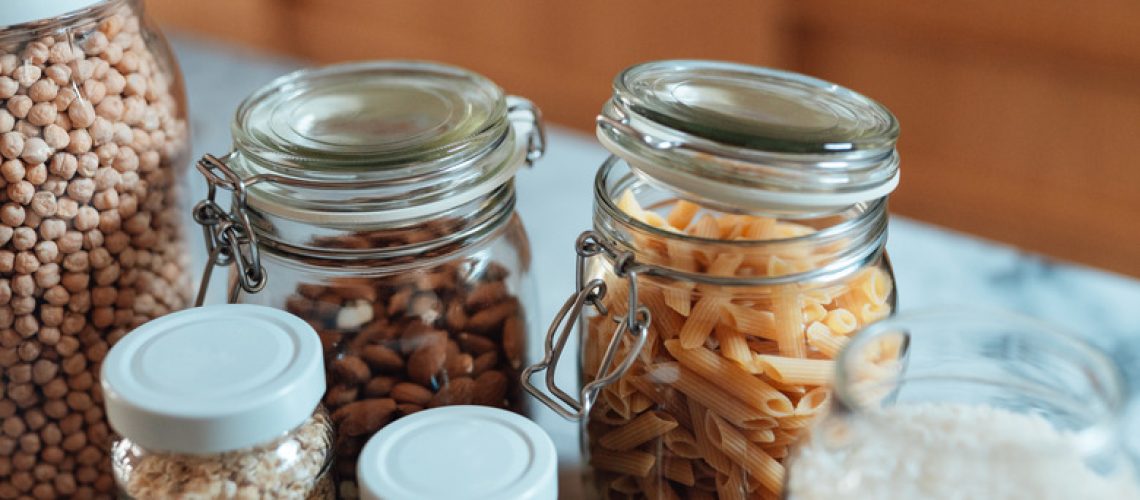
Bulk buying is a normal part of household survival across Nigeria and many African countries.
Families often purchase food in large quantities from open markets to beat rising prices, reduce transportation costs, and avoid frequent shopping trips. Whether you shop at neighborhood markets or major hubs like Mile 12 Market, Oyingbo Market, or Onitsha Main Market, smart storage is what turns bulk buying into real savings.
Without proper storage, however, rice develops weevils, beans harden, garri loses freshness, and frozen foods spoil during power outages. Here’s how to store bulk foods the smart Nigerian way.
Why Smart Storage Matters More in Nigeria
Climate and infrastructure make food storage more challenging locally:
-
High heat and humidity speed up spoilage
-
Frequent power outages affect frozen foods
-
Open-market packaging is often not airtight
-
Pests thrive in warm environments
Good storage practices help families protect food investments and avoid waste.
Step 1: Smart Buying at Open Markets
Storage actually begins at the market.
What experienced buyers check:
-
Dryness: Grains should feel dry, not damp.
-
Cleanliness: Avoid rice or beans with dust or holes (signs of insects).
-
Fresh smell: Garri and grains should not smell sour or moldy.
-
Oil clarity: Palm oil should look bright and clean, not watery.
Pro tip: Buy during peak market days when stock turnover is high, food is usually fresher.
Step 2: Storing Rice Properly (Avoiding Weevils)
Rice is one of the most commonly bulk-bought foods in Nigerian homes.
Best storage method:
-
Sun-dry rice for 1–2 hours after purchase (if possible).
-
Store in airtight containers or sealed buckets.
-
Add natural repellents such as:
-
Dry pepper
-
Garlic cloves
-
Bay leaves
-
Avoid leaving rice in the original sack for months, insects enter easily.
Extra hack: Divide a 50kg bag into smaller containers so only one is opened at a time.
Step 3: Beans Storage Without Hardening
Beans can become difficult to cook if stored poorly.
Smart storage tips:
-
Keep beans in airtight containers.
-
Store in a cool, dry corner away from heat.
-
Add dried chili peppers to discourage insects.
-
Avoid moisture exposure, it causes mold and faster spoilage.
If possible, occasionally sun-dry beans briefly to remove trapped moisture.
Step 4: Keeping Garri Fresh and Crunchy
Garri absorbs moisture quickly, especially during rainy seasons.
How to store garri:
-
Use airtight plastic or metal containers.
-
Never store directly on the floor.
-
Keep away from water sources and damp walls.
-
Use a dry scoop every time.
If garri becomes slightly soft, short sun exposure can restore dryness.
Step 5: Palm Oil Storage the Right Way
Palm oil is a staple but easily affected by heat, light, and contamination.
Best practices:
-
Store in clean, dry bottles or kegs.
-
Keep away from sunlight to preserve color and taste.
-
Always use dry spoons when scooping.
-
Seal tightly after use to prevent odor absorption.
For long-term storage, smaller bottles are better than repeatedly opening one large container.
Step 6: Power-Outage Freezer Survival Hacks
Electricity instability is one of the biggest food storage challenges.
How to protect frozen food:
-
Freeze items in smaller portions so they freeze faster.
-
Fill empty freezer spaces with water bottles, frozen water keeps temperature low longer.
-
Avoid opening the freezer during outages.
-
Cook and refreeze meals (soups, stews) instead of raw ingredients when power supply is uncertain.
Bonus tip: A fully packed freezer stays cold longer than a half-empty one.
Step 7: Portioning for Everyday Nigerian Cooking
Instead of opening bulk supplies daily:
-
Separate rice into weekly cooking sizes.
-
Freeze meat in soup portions.
-
Pre-blend pepper and freeze in small containers.
-
Store crayfish and dried fish in sealed jars.
This saves cooking time and reduces exposure to air and moisture.
Step 8: Pest Prevention in Warm Climates
Common household pests include weevils, ants, and rodents.
Prevention strategies:
-
Keep storage areas clean and dry.
-
Elevate food containers on shelves or pallets.
-
Sweep food particles immediately.
-
Inspect grains monthly.
Traditional methods like dried pepper or neem leaves can help discourage insects naturally.
Step 9: Organize Your Food Like a Market Trader
Market sellers rarely waste food because they rotate stock constantly.
Apply the “first in, first out” rule:
-
Use older food first.
-
Place new purchases behind existing stock.
-
Label containers with purchase dates.
Simple organization prevents forgotten food at the bottom of storage containers.
Common Storage Mistakes Nigerian Homes Make
-
Leaving grains inside market nylon bags long-term
-
Storing food close to cooking heat
-
Mixing fresh and old grains together
-
Overloading freezers during unstable electricity periods
-
Ignoring moisture during rainy seasons
Avoiding these mistakes can extend food life by months.
Benefits of Smart Bulk Food Storage
When done properly, households enjoy:
-
Lower monthly food expenses
-
Fewer emergency market trips
-
Reduced food spoilage
-
Faster meal preparation
-
Greater food security during price increases
Final Thoughts
Bulk buying is already part of everyday life across Nigeria and Africa, but smart storage is what makes it truly economical. With airtight containers, moisture control, proper portioning, and practical power-outage strategies, foods like rice, beans, garri, and palm oil can stay fresh for long periods.
In today’s economy, storing food wisely is not just a kitchen skill, it’s a financial survival strategy.
