

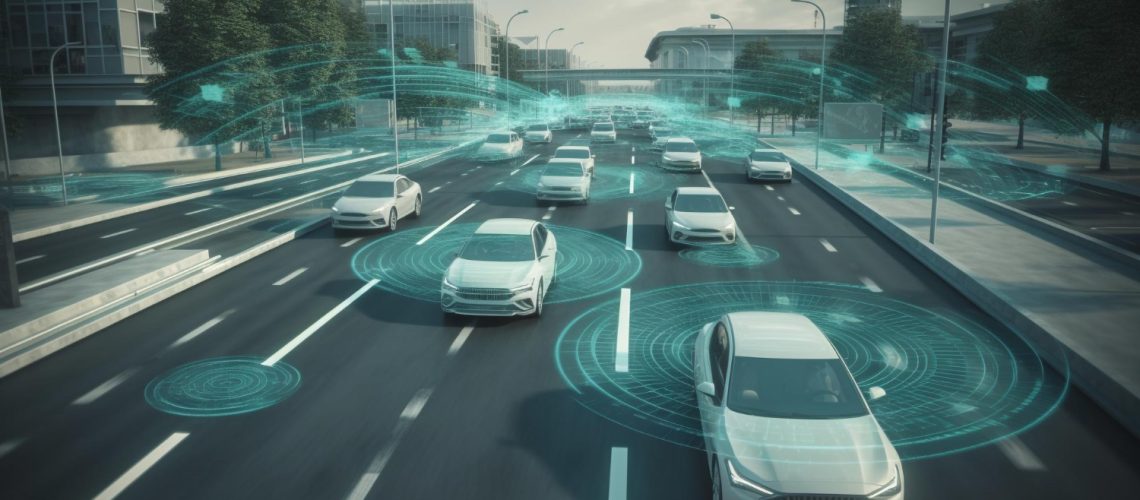
Modern cities are growing faster than ever, and with that growth comes increased traffic, pollution, and transportation challenges.
To address these issues, many countries are turning to Smart Transportation Systems (STS), technology-driven solutions designed to make transportation safer, faster, and more efficient. These systems combine data, communication technologies, and automation to improve how people and goods move from one place to another.
This article explains what smart transportation systems are, how they work, their benefits, real-world examples, and why they matter for the future of urban mobility.
What Are Smart Transportation Systems?
Smart Transportation Systems, often called Intelligent Transportation Systems (ITS), use advanced technologies such as sensors, artificial intelligence (AI), GPS tracking, and real-time data analysis to manage transportation networks.
Unlike traditional transportation systems that operate on fixed schedules and manual control, smart systems adapt dynamically to changing conditions like traffic congestion, accidents, or weather.
In simple terms, smart transportation allows roads, vehicles, and traffic management systems to “communicate” and respond intelligently.
How Smart Transportation Systems Work
Smart transportation relies on several connected technologies working together:
1. Data Collection
Sensors, cameras, and GPS devices collect real-time information such as:
-
Traffic flow and congestion levels
-
Vehicle speeds
-
Public transport locations
-
Road conditions
This data forms the foundation of decision-making.
2. Communication Networks
Vehicles and infrastructure communicate using wireless networks. Examples include:
-
Vehicle-to-Vehicle (V2V) communication
-
Vehicle-to-Infrastructure (V2I) communication
-
Mobile internet and cloud platforms
These connections allow instant information sharing.
3. Data Processing and Artificial Intelligence
AI systems analyze incoming data to:
-
Predict traffic patterns
-
Detect accidents quickly
-
Optimize traffic signals
-
Suggest alternative routes
4. Automated Response
Once analyzed, systems automatically adjust operations, such as:
-
Changing traffic light timing
-
Sending alerts to drivers
-
Updating navigation apps
-
Adjusting public transport schedules
Key Components of Smart Transportation
Smart Traffic Management
Traffic lights adjust automatically based on real-time traffic flow, reducing waiting time and congestion.
Smart Public Transportation
Buses and trains use GPS tracking to provide live arrival times, helping passengers plan trips efficiently.
Smart Parking Systems
Drivers can locate available parking spaces through mobile apps, reducing time spent searching for parking.
Connected and Autonomous Vehicles
Self-driving and connected cars communicate with road systems to improve safety and efficiency.
Mobility-as-a-Service (MaaS)
Digital platforms integrate multiple transport options, buses, ride-hailing, bikes, and trains, into a single app for seamless travel planning.
Benefits of Smart Transportation Systems
1. Reduced Traffic Congestion
Real-time monitoring helps distribute traffic more evenly across road networks.
2. Improved Road Safety
Smart systems can detect accidents instantly and warn drivers about hazards ahead.
3. Lower Environmental Impact
Reduced idling and optimized routes lead to lower fuel consumption and emissions.
4. Time Savings
Efficient traffic flow and accurate travel information reduce commuting time.
5. Better Urban Planning
City authorities use transportation data to design smarter roads and infrastructure.
Real-World Examples Around the World
Several cities have already implemented smart transportation solutions:
-
Singapore uses AI-powered traffic monitoring and electronic road pricing to control congestion.
-
London operates congestion charging zones supported by digital monitoring systems.
-
Dubai integrates smart mobility platforms and autonomous transport trials as part of its smart city vision.
These examples show how technology can transform urban mobility when properly implemented.
Smart Transportation in Developing Countries
Smart transportation is not limited to advanced economies. Many developing nations are gradually adopting digital solutions.
In African cities, where traffic congestion and informal transport systems are common, smart solutions could include:
-
Digital bus tracking systems
-
Mobile payment integration for transport fares
-
Traffic monitoring cameras at major junctions
-
Data-driven road planning
For cities like Lagos, Nairobi, and Accra, smart transportation could significantly reduce commuting stress and improve economic productivity.
Challenges Facing Smart Transportation
Despite its advantages, implementation comes with obstacles:
-
High infrastructure costs for sensors and communication networks
-
Data privacy concerns related to tracking movement
-
Technology maintenance requirements
-
Limited digital infrastructure in some regions
Governments must balance innovation with affordability and public trust.
The Future of Smart Transportation
The future of transportation will likely include:
-
Fully autonomous vehicles
-
AI-powered traffic prediction systems
-
Electric and shared mobility integration
-
Smart highways that communicate directly with vehicles
As urban populations continue to grow, smart transportation systems will play a crucial role in creating sustainable, livable cities.
Conclusion
Smart Transportation Systems represent a major shift from traditional traffic management toward intelligent, data-driven mobility. By combining technology, automation, and real-time communication, these systems reduce congestion, improve safety, and enhance everyday travel experiences.
While challenges remain, the continued development of smart transportation offers a promising path toward more efficient cities and a more connected future. As governments and urban planners invest in smarter infrastructure, transportation will become not just faster, but smarter, safer, and more sustainable for everyone.
