

In the wild, survival is not optional, it is everything.
Animals do not attend motivational seminars or read self-help books, yet they master resilience, adaptation, patience, and strategy in ways humans can learn from. From the scorching savannas of Serengeti to the frozen wilderness of Antarctica, wildlife survives through instincts shaped by discipline and awareness.
Here are powerful survival lessons humans can borrow from wild animals.
1. Adapt Quickly or Fall Behind
One of the strongest survival lessons comes from the chameleon. It changes color not only for camouflage but also to regulate temperature and communicate. Adaptability keeps it alive. In human life, adaptability means adjusting to economic changes, learning new skills, or pivoting during unexpected challenges. The world evolves quickly, those who resist change often struggle, while those who adapt stay relevant.
Lesson: Flexibility is strength, not weakness.
2. Work Together for Greater Strength
A lone wolf may be strong, but a pack is unstoppable. African wild dog survive through cooperation. They hunt in coordinated groups, share food, and protect one another. Humans thrive in community too. Whether in business, family, or society, collaboration increases survival chances. Success rarely comes from isolation.
Lesson: Teamwork multiplies survival power.
3. Conserve Energy for When It Matters
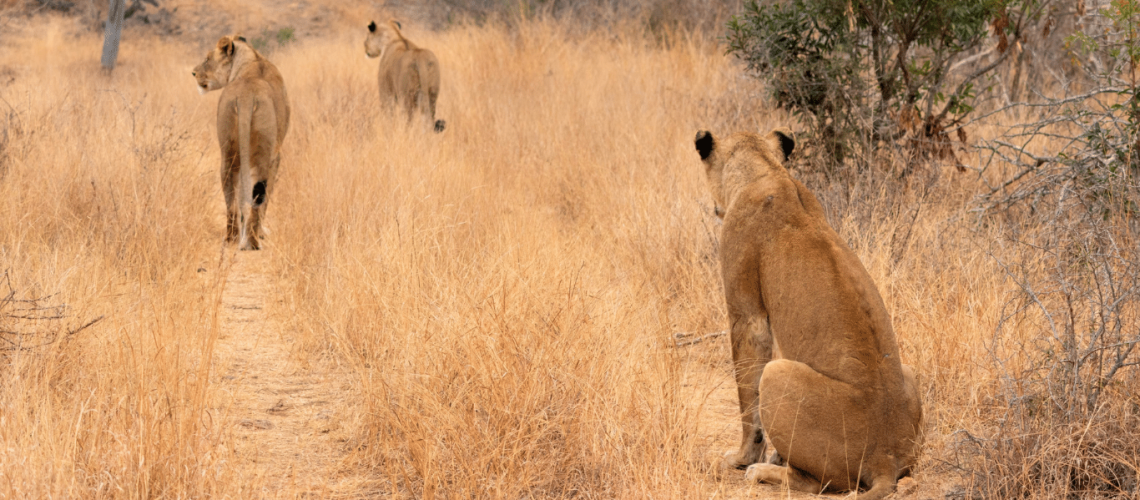
The lion does not chase every animal it sees. It rests for long hours and hunts strategically when success is likely. Wasted energy can mean starvation in the wild. Many people exhaust themselves chasing every opportunity. True survival wisdom lies in knowing when to act and when to wait.
Lesson: Choose your battles carefully.
4. Stay Alert at All Times
In the African plains of Maasai Mara, the gazelle survives because of constant vigilance. Its sharp hearing and quick reflexes allow it to detect predators early. In life, awareness protects us, from financial scams to unsafe environments and poor decisions. Alertness reduces risk.
Lesson: Awareness prevents disaster.
5. Prepare for Harsh Seasons
The squirrel gathers and stores food long before winter arrives. Preparation ensures survival when resources become scarce. Similarly, financial savings, skill development, and emergency planning protect us during difficult times. Survival is not about reacting; it is about preparing.
Lesson: Prepare during abundance for future scarcity.
6. Use Camouflage and Strategy
The octopus is a master of disguise. It blends seamlessly with rocks and coral to avoid predators. Instead of brute force, it uses intelligence. In human challenges, strategy often works better than aggression. Smart planning beats reckless action.
Lesson: Intelligence outperforms force.
7. Know When to Retreat
Not every confrontation must be won. The porcupine raises its quills as a warning before engaging. Many threats back away without a fight. Retreating or setting boundaries is not weakness. Sometimes walking away protects long-term survival.
Lesson: Survival sometimes means stepping back.
8. Endurance Wins Long Races
The camel survives harsh desert climates by conserving water and enduring extreme temperatures. It is built for long journeys, not quick sprints. Life is rarely a short race. Career growth, relationships, and personal goals require endurance.
Lesson: Build stamina for the long haul.
Final Thoughts
Wild animals survive not because they are the strongest, but because they are aware, adaptive, strategic, and disciplined. Nature teaches that survival depends on preparation, cooperation, patience, and intelligence.
Humans often complicate life, but the wild keeps things simple:
-
Adapt.
-
Stay alert.
-
Work together.
-
Prepare ahead.
-
Act strategically.
In many ways, survival wisdom has always been around us, running across the plains, soaring in the skies, and swimming in deep oceans. All we have to do is observe and learn.
