

In a world filled with endless notifications, deadlines, and responsibilities, productivity often feels complicated.
Many people search for advanced systems, expensive tools, or strict routines to get more done. However, one of the most powerful productivity strategies is surprisingly simple: the 2-Minute Rule.
This small habit can dramatically reduce procrastination, clear mental clutter, and help you accomplish more every day, without feeling overwhelmed.
What Is the 2-Minute Rule?
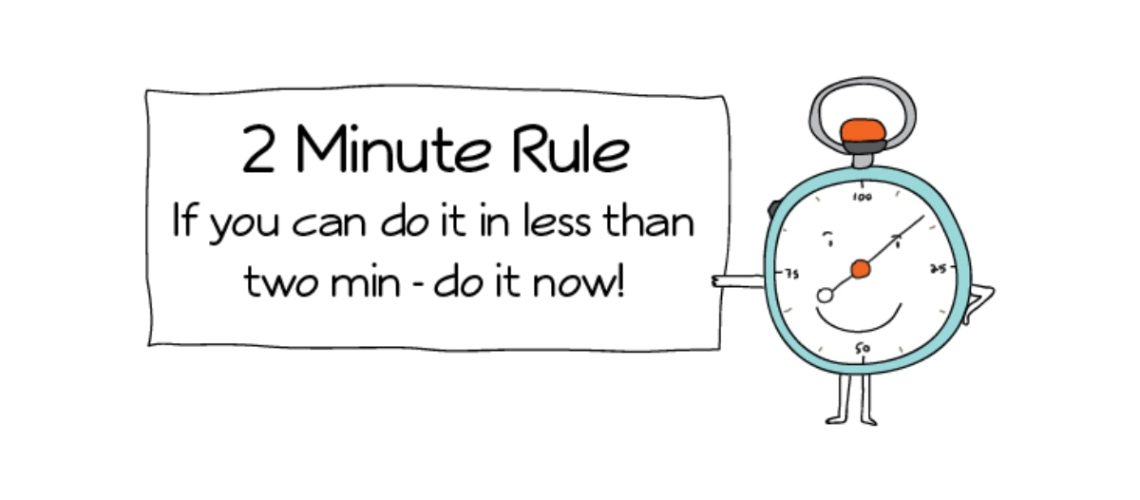
The 2-Minute Rule is a productivity principle popularized by productivity expert David Allen in his time-management methodology. The rule is straightforward:
If a task takes two minutes or less to complete, do it immediately.
Instead of postponing small tasks, you handle them instantly before they accumulate into a stressful backlog.
Examples include:
-
Replying to a short email
-
Washing a plate after eating
-
Filing a document
-
Sending a quick confirmation message
-
Putting items back in their proper place
Individually, these tasks seem insignificant. Collectively, they consume mental energy when left undone.
Why the 2-Minute Rule Works
1. It Eliminates Procrastination Triggers
Many people delay tasks not because they are difficult but because starting feels uncomfortable. The 2-Minute Rule removes the decision-making barrier. Since the task is quick, your brain stops negotiating excuses.
Action replaces hesitation.
2. It Reduces Mental Clutter
Every unfinished task occupies mental space. Psychologists often refer to this as the “open loop” effect — your brain keeps reminding you about incomplete actions.
Completing small tasks immediately frees mental energy for deeper, more important work.
3. It Builds Momentum
Productivity often depends on momentum rather than motivation. Completing a quick task creates a small sense of achievement, encouraging you to continue working.
Small wins naturally lead to bigger accomplishments.
4. It Prevents Task Pile-Up
Two-minute tasks rarely stay small when ignored. A quick reply today may become a complicated issue tomorrow. By acting immediately, you prevent minor responsibilities from turning into major problems.
Two Powerful Ways to Use the 2-Minute Rule
Method 1: The Immediate Action Rule
Whenever a new task appears:
-
Ask yourself: Can this be done in two minutes?
-
If yes, do it right away.
-
If no, schedule it or break it into smaller steps.
This keeps your to-do list manageable.
Method 2: The “Start Small” Rule
You can also use the 2-Minute Rule to overcome resistance to large tasks.
Instead of saying:
-
“I will study for two hours,”
Say:
-
“I will study for two minutes.”
Often, starting is the hardest part. Once you begin, you naturally continue beyond two minutes because your brain has already crossed the activation barrier.
Real-Life Examples of the 2-Minute Rule
The rule works across different areas of life:
At Work
-
Organizing files immediately
-
Responding to quick team messages
-
Updating task trackers instantly
At Home
-
Making your bed
-
Cleaning small spills right away
-
Returning items after use
For Students
-
Reviewing one page of notes
-
Sending assignment questions early
-
Preparing materials before class
Over time, these small actions create a highly organized lifestyle.
Common Mistakes to Avoid
While the rule is simple, misuse can reduce its effectiveness.
1. Doing Only Small Tasks
The rule should not replace deep work. Use it to clear minor tasks so you can focus on meaningful projects.
2. Misjudging Time
Be honest about what truly takes two minutes. If a task requires focus or planning, schedule it instead.
3. Interrupting Important Work
Avoid applying the rule when you are in deep concentration. Capture the task and handle it later.
How to Make the 2-Minute Rule a Daily Habit
-
Keep a simple task list for larger responsibilities.
-
Practice immediate action for small tasks every day.
-
Start your morning by completing a few quick wins.
-
Pair the rule with time-blocking or weekly planning systems.
Consistency matters more than perfection.
The Psychology Behind Small Actions
Human behavior responds strongly to progress. Completing quick tasks releases dopamine, the brain’s reward chemical, reinforcing productive behavior.
This means the 2-Minute Rule doesn’t just organize your day; it trains your brain to associate action with satisfaction.
Final Thoughts
Productivity doesn’t always require dramatic lifestyle changes. Sometimes, the smallest habits create the biggest transformation. The 2-Minute Rule works because it removes friction between intention and action. By handling quick tasks immediately and using small starts to overcome resistance, you reduce stress, build momentum, and reclaim control of your time.
Start today: look around and complete just one task that takes less than two minutes. That small action could be the beginning of a more productive life.
