

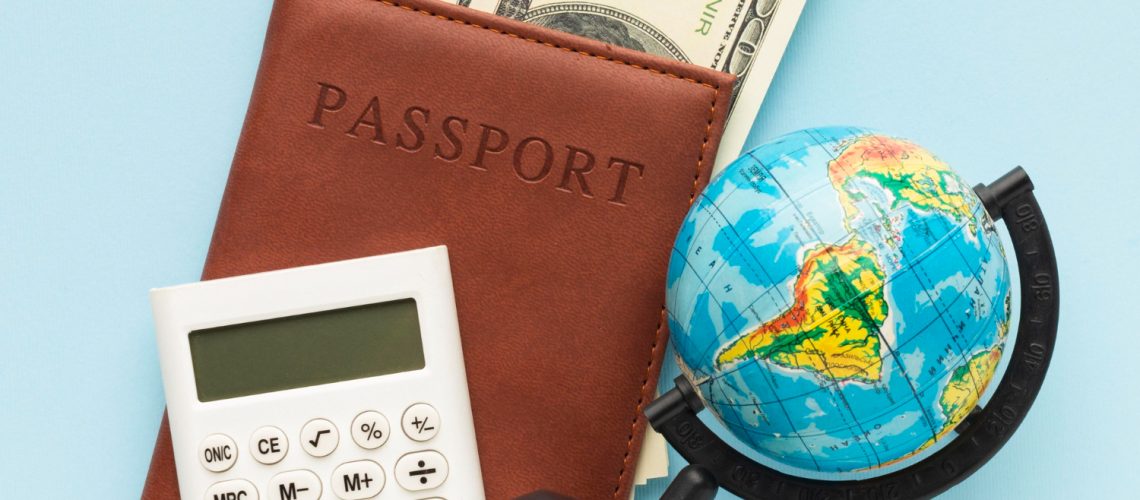
Traveling is often seen as a luxury reserved for people with large savings.
However, the truth is that exploring new places does not always require a large budget. With the right planning, smart decisions, and a little creativity, it is possible to travel, discover new cultures, and create unforgettable memories without spending too much money. Traveling on a tight budget is about being strategic and making the most of the resources you have.
Plan Ahead and Set a Budget
The first step to budget travel is proper planning. Before choosing a destination, determine how much money you can realistically spend on the trip. This includes transportation, accommodation, food, activities, and emergencies. Having a clear budget helps you avoid overspending and allows you to prioritize what matters most during your trip.
Planning ahead also gives you access to cheaper travel options. Flights and transportation tickets are often less expensive when booked weeks or months in advance. Early planning also helps you research affordable accommodations and free activities at your destination.
Choose Affordable Destinations
Some destinations are naturally more affordable than others. Countries with a lower cost of living often offer cheaper accommodation, food, and transportation. Instead of focusing on expensive tourist hotspots, consider visiting locations that provide rich cultural experiences without high prices.
Traveling during the off-season can also save a significant amount of money. During this period, flights, hotels, and attractions usually reduce their prices because fewer tourists are visiting.
Use Budget-Friendly Accommodation
Accommodation is usually one of the biggest travel expenses. Fortunately, there are several affordable options available today. Hostels, guesthouses, and short-term rentals are often cheaper than traditional hotels.
Some travelers also choose options such as house-sitting, couch sharing, or staying with friends and family. These alternatives can significantly reduce costs while also offering opportunities to meet new people and experience local culture more closely.
Be Smart with Transportation
Transportation can quickly drain a travel budget if not planned carefully. Instead of taxis or private transport, use public transportation such as buses, trains, or subways. These options are often much cheaper and can give travelers a better sense of everyday life in a new place.
Walking or renting a bicycle is another great way to save money while exploring a city. Not only does this reduce costs, but it also allows travelers to discover hidden spots that might be missed when using faster transportation.
Save Money on Food
Food is another expense that can add up quickly during travel. Eating at local markets, street vendors, and small local restaurants is usually cheaper than dining in tourist-oriented establishments. These places often serve authentic dishes at a lower price.
Travelers can also save money by buying groceries and preparing simple meals when possible. Packing snacks and water during daily activities can help avoid unnecessary spending.
Look for Free and Low-Cost Activities
Many cities around the world offer a variety of free or low-cost attractions. Parks, beaches, hiking trails, museums with free-entry days, and cultural festivals are excellent options for budget travelers.
Free walking tours are also popular in many cities. These tours allow travelers to learn about the history and culture of a place while paying only a small tip to the guide.
Travel Light and Avoid Extra Fees
Packing wisely can also help you save money. Many airlines charge extra fees for checked luggage. Traveling with only a carry-on bag helps avoid these costs and makes moving around easier.
Packing only the essentials ensures that you remain flexible and mobile during your trip, especially when using public transportation or changing accommodations frequently.
Stay Flexible and Open-Minded
Flexibility is one of the greatest advantages of budget travel. Being open to adjusting travel dates, destinations, or accommodation options can help you take advantage of unexpected deals or discounts.
Sometimes the most memorable experiences come from spontaneous decisions, such as visiting a local event or exploring a neighborhood that was not originally part of your plan.
Conclusion
Traveling on a tight budget does not mean sacrificing meaningful experiences. Instead, it encourages smarter choices and a deeper connection with the places you visit. With careful planning, flexible thinking, and a willingness to explore beyond expensive tourist attractions, anyone can enjoy the excitement of travel without breaking the bank. Ultimately, the value of a trip lies not in how much money is spent, but in the memories and experiences gained along the way.
